
News
Barcelona nears a historic record with an almost tropical May night
Barcelona has experienced a May night more typical of high summer. The night-time temperature reached 23.4 ºC in the city, a figure only four tenths below the historic record for this month, set in 1922. The figure confirms something many residents had already noticed without looking at the thermometer: sleeping is beginning to become difficult even before June arrives.
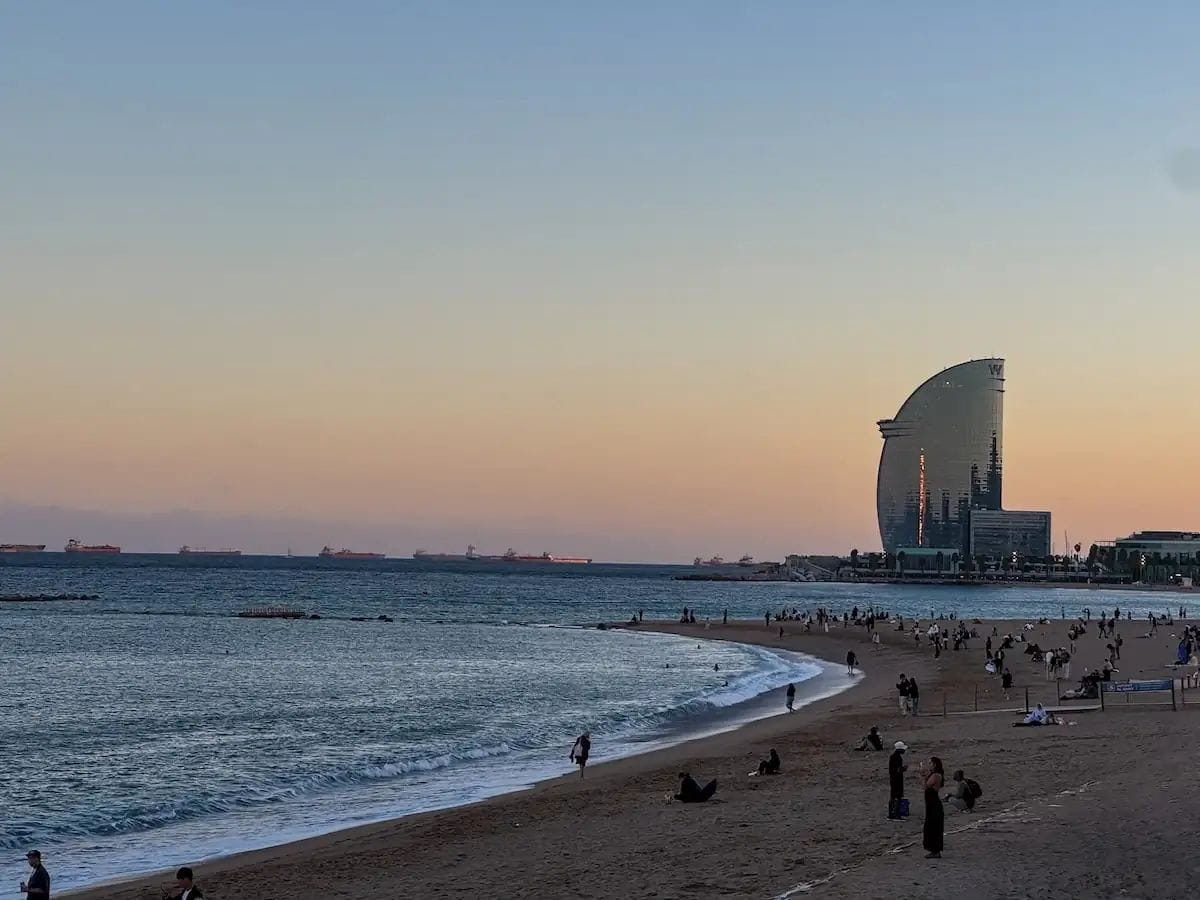
The episode is part of an influx of warm air affecting much of Catalunya and western Europe. In Barcelona, the heat has been especially noticeable during the early hours, when the city has barely managed to cool down. The feeling of mugginess has been more evident in dense areas, with plenty of asphalt and buildings that retain heat for hours.
The forecast maintains summer-like conditions over the coming days. This Thursday, Barcelona could reach a high of 32 ºC and not fall below 23 ºC at night. The heat will continue on Friday, with a high of around 31 ºC and a low close to 20 ºC, before a weekend that is somewhat less extreme but still warm for late May.
Meteorologists avoid automatically calling it a heatwave, because that category requires specific thresholds to be met over several days. But that does not diminish the importance of the episode. A night coming so close to a century-old record in May indicates that night-time heat is arriving earlier and that the city is entering summer-like dynamics sooner.
The April precedent had already left a clear sign. Observatori Fabra recorded a minimum of 19.0 ºC, the highest for that month in more than a century of data. Now, with nights approaching or exceeding the tropical threshold, the problem ceases to be merely a meteorological curiosity and becomes a question of rest, health and everyday life.
The difference between a hot afternoon and a night that is too warm is important. During the day, people can seek shade, climate shelters or cool interiors. In the early hours, by contrast, the heat enters the home and affects sleep, especially in small flats, poorly ventilated homes or those without good insulation. Older people, children and those with health problems notice it most.
The phenomenon fits an increasingly visible trend in Barcelona: tropical nights arrive earlier, last longer and depart later. The urban heat island amplifies the effect, because the centre and denser neighbourhoods lose temperature with more difficulty than higher or better-ventilated areas.
The question is no longer only whether this night breaks a record or not. What matters is what happens when these episodes stop seeming exceptional. Barcelona will have to get used to viewing night-time heat as a first-order urban problem: it affects how we sleep, how we work the next day and what kind of homes, streets and public spaces a city that begins to feel summer in May needs.