
News
The new hunting and fishing law divides Madrid before reaching the Assembly
Madrid is preparing to change a significant part of how it manages its natural areas. The upcoming regional hunting and fishing law, the first of its kind for the region, is already causing tension among environmental groups, hunters, and residents of rural areas even before it reaches parliamentary debate.
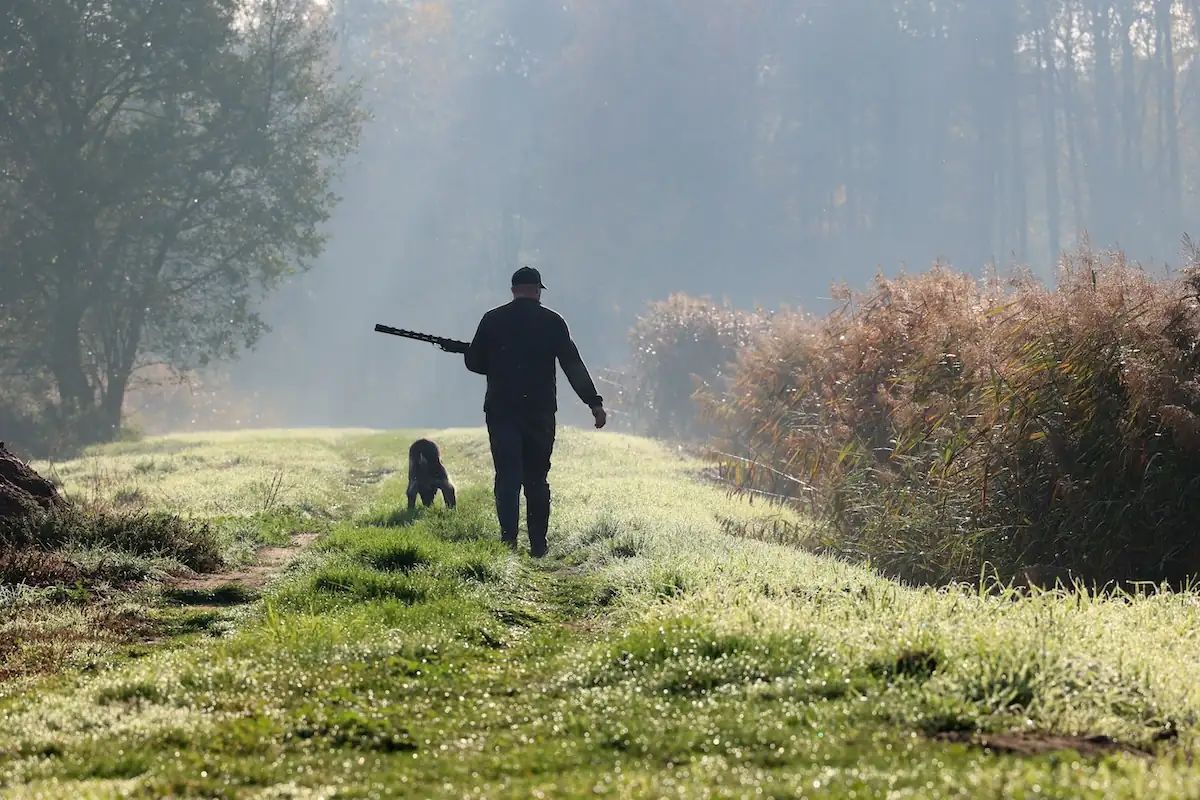
The text introduces new rules on species control, land use, and technological tools in hunting activities. Among the most controversial points is the possibility of expanding controls on animals such as wild boar and rabbits outside the usual hunting seasons.
Environmental organisations warn that the regulation could increase pressure on wildlife and add more game species without sufficient studies. They also question the influence that the hunting sector will have over large natural areas of the Comunidad.
The Federación Madrileña de Caza argues the opposite. They believe the law modernises regulations that have been outdated for decades and say it will allow for better management of animal populations and organisation of existing activities.
Another focus of debate is technology. The project limits the use of drones and thermal scopes, although it allows authorised exceptions for emergencies or scientific censuses, a point that continues to cause concern among various groups.
The debate also comes at a time when the relationship between the city and the natural environment is gaining importance on the public agenda. Hiking, rural leisure, and environmental conservation increasingly coexist with traditional activities such as hunting and fishing.
Madrid is once again facing a discussion that goes beyond hunting. The future law will determine how large natural areas of the region are used and managed, and reopens the debate on the balance between conservation, tradition, and urban pressure.