
News
The Apostolic Nunciature, the Pope's discreet refuge in Madrid during his visit
While Madrid looks towards Cibeles, Plaza de Lima or the Santiago Bernabéu, an essential part of Leo XIV's visit will unfold away from the crowds. During his stay in the capital, the Pope will stay at the Apostolic Nunciature, the Holy See's diplomatic residence in Spain.
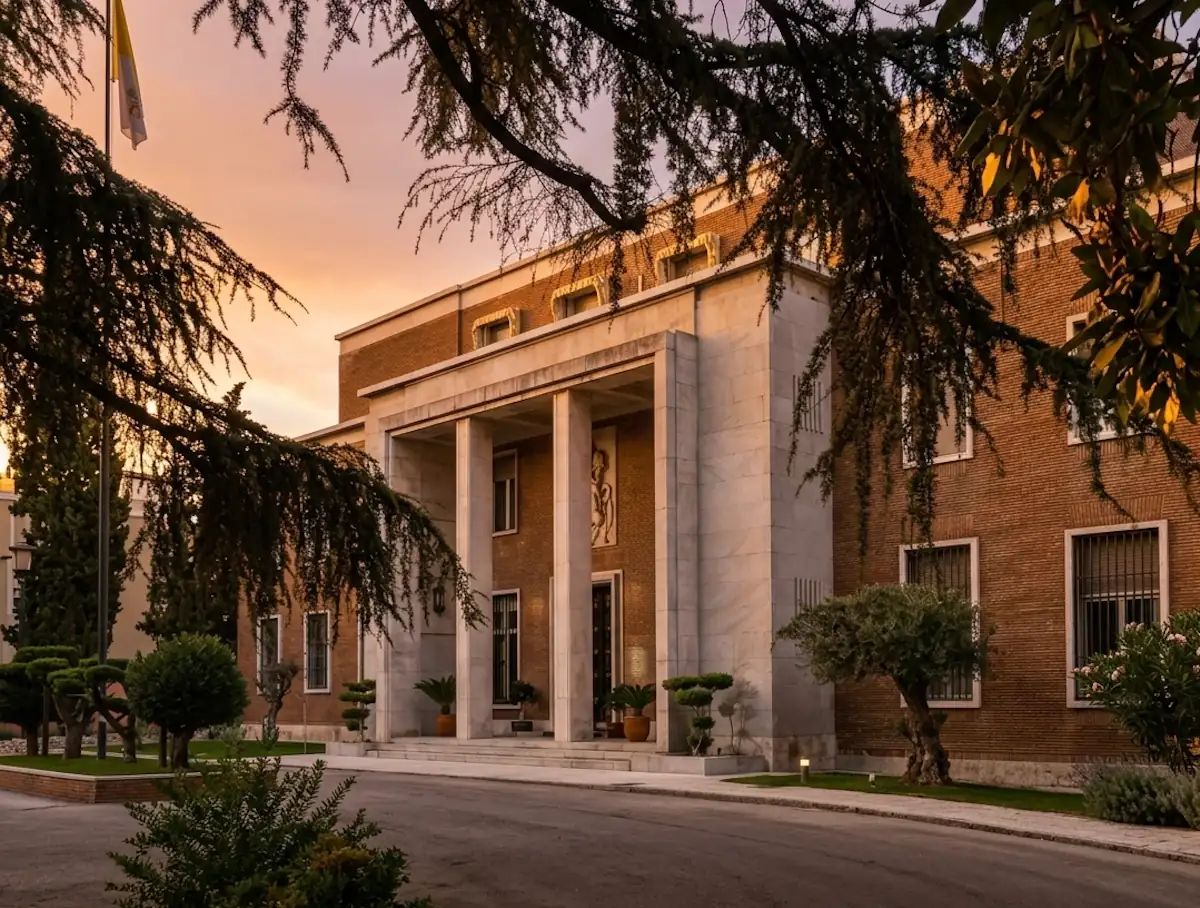
The building, located in the Chamartín district, will serve as the pontiff's private base. There he will rest between official events, prepare part of his agenda and hold private meetings with Church representatives and authorities.
The Nunciature will not be open to the public, but it will be one of Madrid's most protected locations during those days. Its role will be discreet but key: from there, travel, meetings and private moments of a visit that will mobilise thousands of people at different points in the city will be organised.
The choice is not accidental. On papal journeys, nunciatures usually act as the pontiff's natural residence because they combine security, privacy and diplomatic function. Madrid has seen this picture on previous papal visits, although almost always far from the main media spotlight.
León XIV's visible agenda will take place at much better-known settings, such as Cibeles, Almudena, Plaza de Lima and the Bernabéu. But between every large public event there will be journeys, private meetings and hours of rest at this Chamartín enclave, transformed for a few days into one of the capital's most closely guarded places.
For most Madrilenians, the Apostolic Nunciature usually goes unnoticed. It does not have the visual weight of a square or the magnetism of a great church, but it represents the Vatican's permanent diplomatic presence in Spain. During the papal visit, that role will become more visible than ever, even though it continues behind closed doors.
León XIV's arrival will transform Madrid externally, with closures, controls and large gatherings. The Nunciature will show the other side of the journey: the quieter, institutional and protected one. It will not be the place for the great public images, but it will be one of the spaces that sustains a large part of the visit.