
News
Plaza de España transforms Madrid's pulse with the year's most eagerly awaited catwalk
Fashion Week redefines central Madrid. Plaza de España becomes the main stage. The event sets a new pace for the city's cultural and urban life.
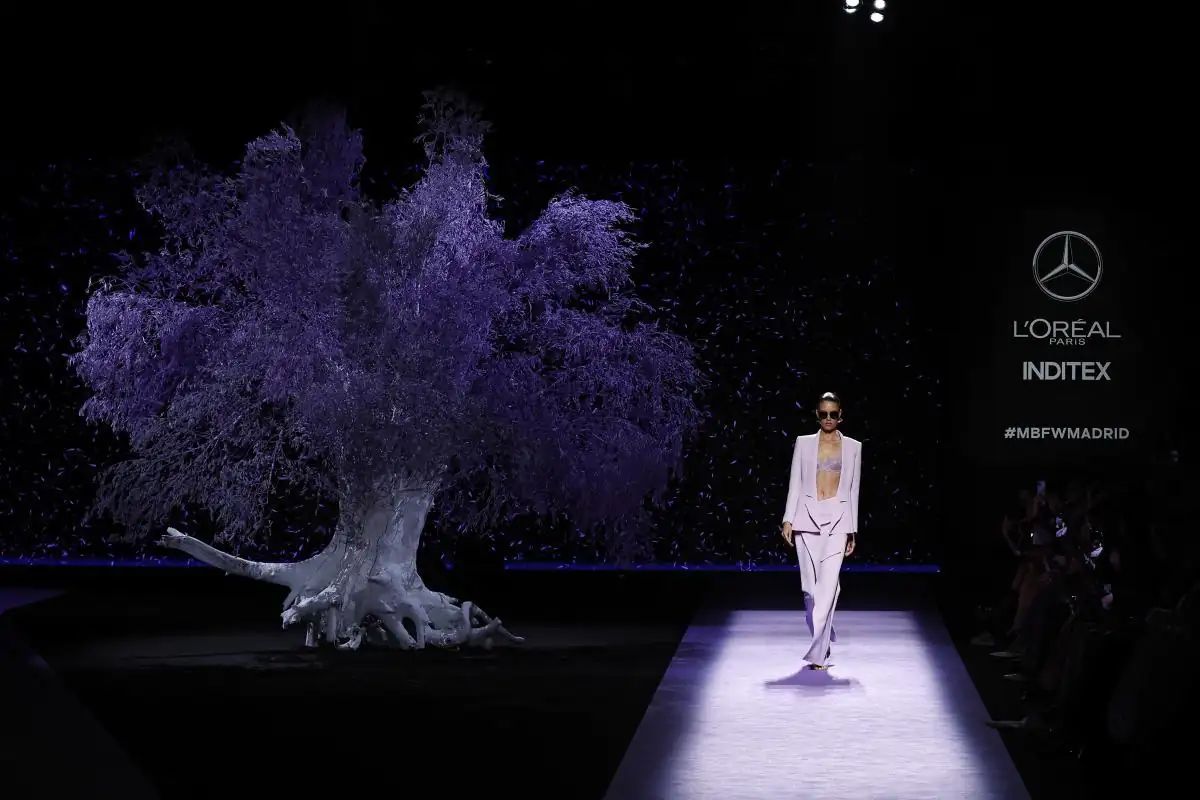
Central Madrid changes pace this March: Plaza de España becomes the epicentre of fashion and creativity. Fashion Week begins with an opening outdoor show, launching the season of events that will transform the cultural calendar and urban pulse for almost two weeks. For those who live, work or stroll around the area, the city will feel different: more movement, more activity and an energy that spreads from day one.
After passing through such emblematic places as Puerta de Alcalá and Plaza de Oriente, the catwalk now sets up in Plaza de España. From 12 to 22 March, Madrid hosts fashion shows, exhibitions and gatherings at venues across the city, in addition to its usual home at IFEMA. The official calendar brings together more than 70 designers and labels, who will present their proposals for the new season in formats ranging from the classic catwalk to performances and presentations open to the public.
Between 12 and 17 March, the OMODA Madrid es Moda initiative, promoted by ACME and supported by the City Council, champions designer fashion and its connection with the urban environment. Thirty-two designers and brands were selected for their ability to engage with the city and its heritage. The programme includes 18 fashion shows, eight exhibition presentations and six complementary activities, intended to bring fashion closer to creators, professionals and residents through open days and talks.
The second part of the week, from 17 to 22 March, brings Mercedes-Benz Fashion Week Madrid. This year, 40 designers take part in a renewed format that combines shows in emblematic urban spaces and at IFEMA. In addition, the EGO catwalk celebrates its 20th anniversary with a day dedicated to emerging talent, where ten designers and brands will show their collections. Locations include the Círculo de Bellas Artes, the Galería de Cristal, Teatro Infanta Isabel and the Fundación de los Ferrocarriles Españoles.
Beyond its role as a major mobility hub and meeting point, Plaza de España is consolidating itself as a cultural space and venue for major events. Its recent refurbishment has restored prominence to this site, which now hosts activities that connect tradition and avant-garde. Madrid is already starting to move in that direction: the city adapts, adds new experiences and strengthens its identity as a creative capital.