
News
Cibeles temporarily loses six trees for the Pope's Mass stage
Cibeles Square has changed appearance ahead of Pope Leo XIV's visit to Madrid. The City Council has removed six trees next to the entrance to the Palacio de Cibeles to allow the stage for the Mass the pontiff will celebrate on 7 June to be set up at one of the city's most symbolic locations.
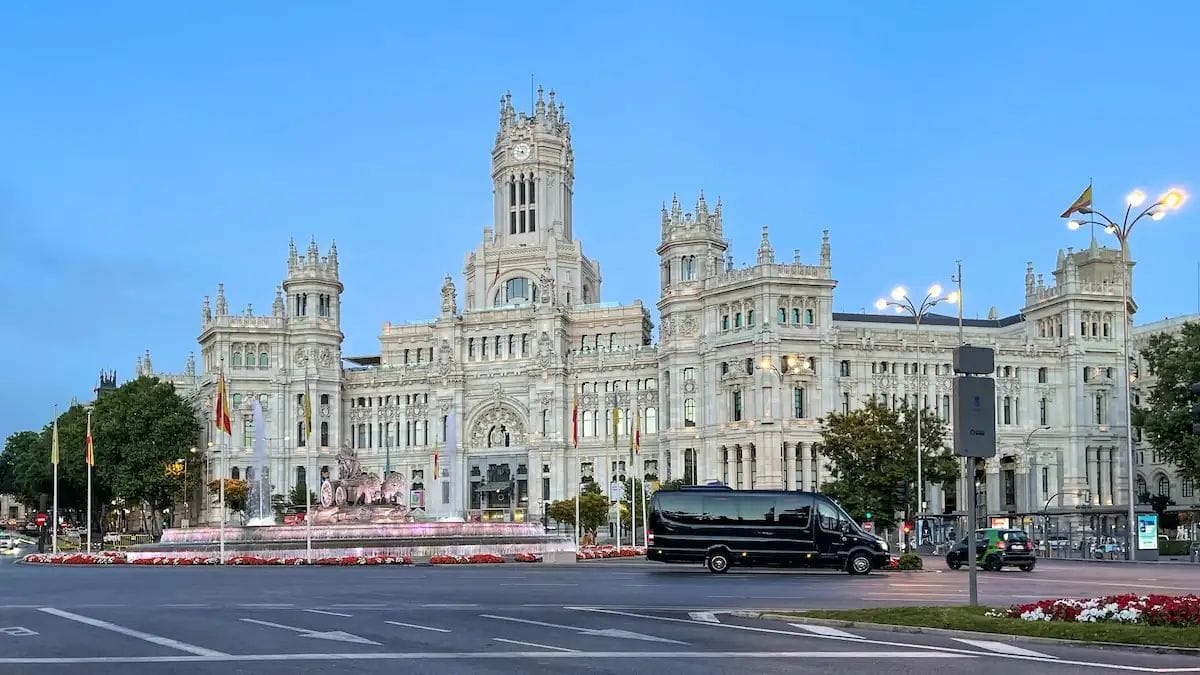
The City Council insists that this is not felling, but a temporary relocation. The specimens have been removed and taken to municipal nurseries, where they will remain until they can be replanted. Municipal sources explain that the move is intended to protect them during the installation of the infrastructure, as they could be damaged if they remained in the square.
Replanting, however, will not be immediate in every case. Once the papal visit is over, the City Council will assess whether weather conditions are suitable for returning the trees to Cibeles. If the heat does not allow it, the operation will be postponed until autumn. The possibility of increasing the square's tree cover later on will also be considered.
The explanation has not completely calmed the criticism. Más Madrid has called for the operation to be halted and argues that transplanting trees at this time of year, with increasingly high temperatures, can be virtually the same as condemning them. Its Environment spokesperson, José Luis Nieto, brought the complaint to the municipal plenary session and linked the case to other recent controversies over trees in the capital.
The removal comes amid the city's transformation to receive the Pope. Madrid is preparing a major security, mobility and decoration operation, with Cibeles as the central setting for the mass and Lima Square as a key point for the youth vigil the day before. The visit, planned for between 6 and 9 June, will require traffic to be cut off, access points to be altered and much of the city centre to be reorganised.
For many residents, the problem is not only what happens to these six trees, but the feeling that urban greenery is always left in a fragile position when construction works, events or temporary installations arrive. In a hard, monumental square that is highly exposed to heat, every patch of shade matters more than it seems.
Cibeles is accustomed to celebrations, protests, closures and major events. This time, the change is noticeable in something smaller but very visible: six gaps where there used to be trees. If they return healthy after the visit, the episode will remain a temporary intervention. If not, it will feed a mistrust that in Madrid goes back a long way: the idea that tree cover is promised, removed and then proves too difficult to restore.