
News
The second heatwave of the summer will hit Madrid and Barcelona
Spain enters the second heatwave of the summer this weekend. The State Meteorological Agency has issued a special warning for an episode of very high temperatures that will officially begin on Sunday 5 July and that will last, at least, until Tuesday, although the heat may remain above normal for more days.
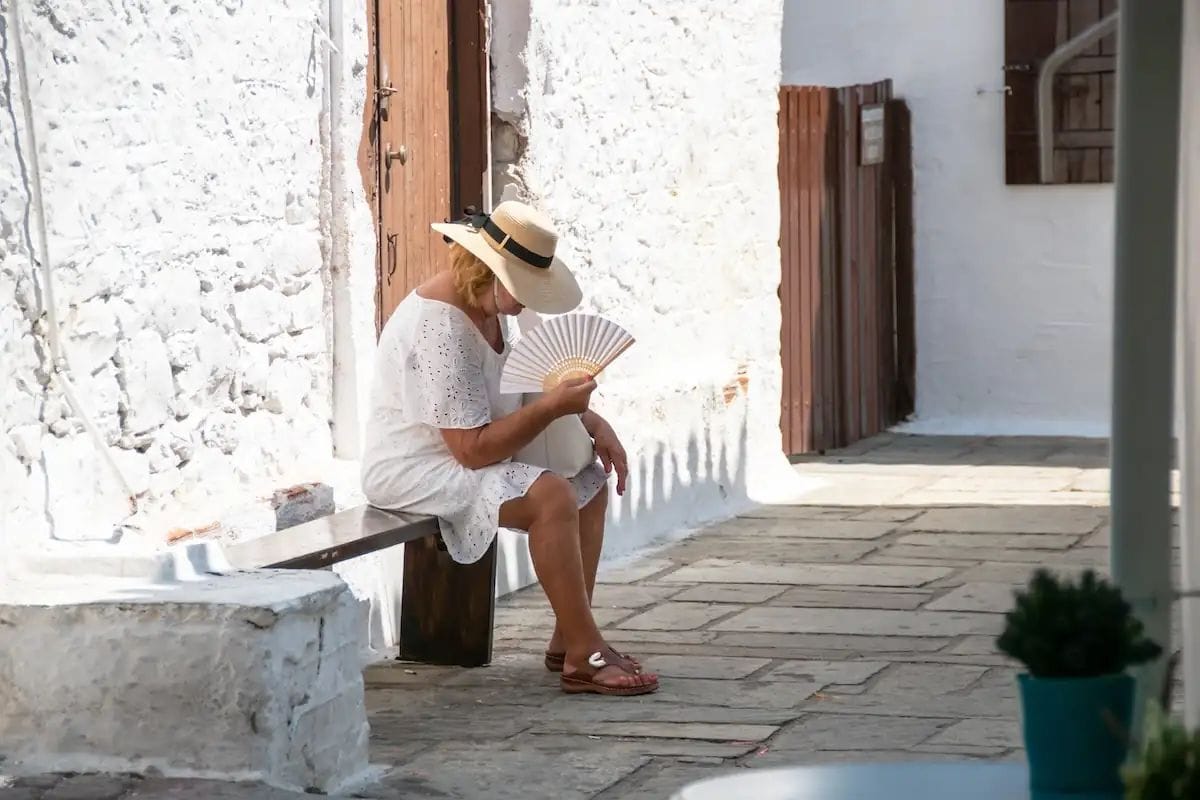
For now, Monday the 6th appears to be the toughest day of the episode. Aemet forecasts a widespread rise in temperatures, with values exceeding 42 degrees in areas of the Ebro valley, Extremadura and Andalucía, and temperatures close to or above 40 degrees across large areas of the centre and south of the peninsula.
Madrid will be right in the middle of that warm air mass. The capital faces several days with highs close to 38 or 39 degrees, especially between Sunday and Tuesday, and nights that will barely allow thermal comfort to be recovered in many homes.
In the Comunidad de Madrid, the heat will be more intense in the metropolitan area, the Henares corridor, the south, the vegas and low-lying areas of the Jarama. Aemet is already considering warnings for maximum temperatures during the middle part of the day, with particular attention between 13:00 and 21:00.
For those moving around Madrid, the impact will be very everyday: waits at stops without shade, more arduous journeys on foot, less comfortable terraces during the afternoon, and greater pressure on swimming pools, shopping centres, libraries and air-conditioned spaces. The city does not stop, but the heat forces people to change their schedules.
Barcelona will experience the episode differently, with less extreme highs than inland, but with a more oppressive apparent temperature because of humidity. The forecast points to values of 34 or 35 degrees for several days, accompanied by tropical or even very warm nights in some neighbourhoods.
In the Catalan capital, the problem will not be only the maximum temperature. The combination of humidity, asphalt, little night-time ventilation and homes that retain heat can make the episode particularly uncomfortable, especially in upper-floor, interior or poorly insulated flats.
The second heatwave comes after an already exceptionally warm June. Aemet had recorded a first wave at the end of June, with unusual temperatures for those dates, and now warns of a new episode that confirms a particularly demanding start to summer.
The warning also focuses on night-time minima. In many areas of the centre, south and Mediterranean coast, temperatures may not fall below 25 degrees overnight, making rest difficult and increasing the risk for older people, babies, people with chronic illnesses and those living alone.
The risk of forest fires will also grow. Extreme temperatures, the moisture deficit, dry vegetation and possible dry storms could complicate the situation in natural and peri-urban areas. In Madrid, this particularly affects mountain areas, woodland and places under high visitor pressure during the weekend.
Aemet recommends exercising extreme caution during the middle hours of the day, avoiding intense physical exertion outdoors, drinking frequently, protecting oneself from the sun and paying attention to vulnerable people. It is also advisable to check the temperature indoors, because some flats may remain above safe levels even at night.
In Madrid, the most practical recommendation will be to run errands earlier, reduce long walks in the afternoon and seek shaded routes. In Barcelona, in addition, it will be key to make use of climate shelters, fountains, libraries, markets and public facilities when heat and humidity make it more difficult to remain outdoors.
The heatwave does not affect everyone equally. Those who work outdoors, deliver orders, clean streets, serve on terraces, care for others or live in poorly ventilated homes endure far greater exposure than those who can shelter in air-conditioned spaces.
Madrid and Barcelona are thus once again faced with an increasingly common question: how to keep functioning when summer becomes harsher. The answer is no longer just about looking at the thermometer, but about adapting schedules, public spaces, work, transport and care to a heat that ceases to be a nuisance and becomes a real risk.