
News
Collserola dries out and faces an extreme risk from the heatwave
Barcelona is facing the summer’s third heatwave with its green spaces in a delicate situation. After more than a month without rain and temperatures above usual levels, Collserola shows clear signs of exhaustion and the risk of fire is rising again in the metropolitan area.
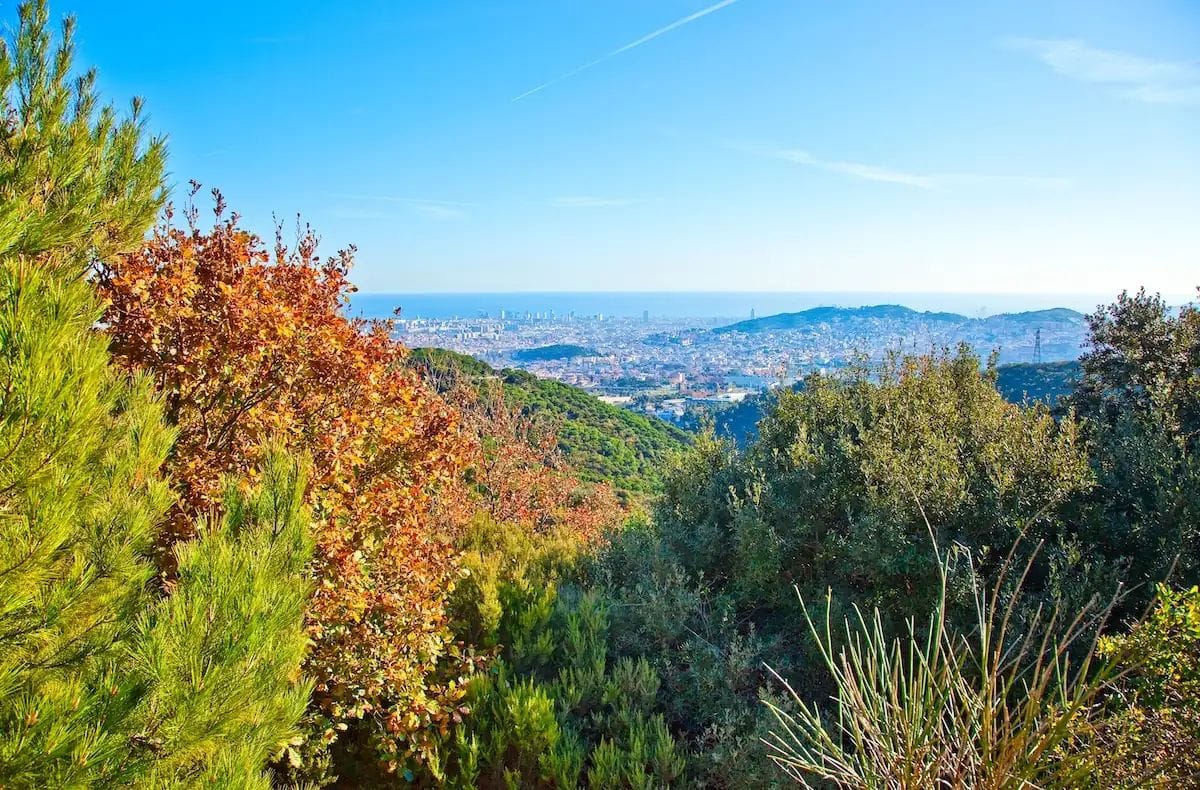
The problem is not only in the heat felt on the streets. It is underground too. Soil moisture in Collserola has fallen by almost half since March, from 0.35 to 0.18 cubic metres of water per cubic metre of ground, a rapid loss that leaves vegetation with less room to withstand it.
Spring rains had allowed some reserves to recover, but the succession of hot spells and the absence of rainfall have changed the picture in a few weeks. The result is a drier, more vulnerable forest with less capacity to withstand further extreme days.
The situation particularly affects trees such as pines, holm oaks and cork oaks, which depend on deep soil moisture. When those reserves fall, water stress is evident in the health of the forest, loss of vigour and greater exposure to pests, disease and fire.
Shrubs and grassland have it even harder. Feeding from surface layers, they are the first to run out of water when weeks pass without rain. In many areas of Catalonia, low vegetation already shows signs of extreme dryness, becoming easy fuel if a spark appears.
The risk extends beyond Barcelona. Counties such as Bages, Anoia, Alt Penedès, Baix Penedès, Garraf, Vallès, Maresme and inland areas of Girona are reaching this heatwave with forests and scrubland under severe stress. Only the Pyrenees retain better conditions for now.
For everyday life, the impact may be felt in access restrictions, suspended activities in natural spaces, increased forest surveillance and poorer air quality if fires break out. Collserola is not just a park: it is a metropolitan lung used by thousands of residents to walk, run, cycle or escape the tarmac.
The scene leaves a clear warning for Barcelona: extreme heat does not end when the temperature drops in the city. Its effects accumulate in the soil, in the trees and in the natural spaces that sustain part of urban wellbeing. Every week without rain turns the greenery surrounding the capital into more fragile territory.