
News
Drought can reduce thermal comfort by up to 30% in the shade of the Eixample
A study by the ICTA at the UAB quantifies the cooling effect of the trees in the Eixample and what happens when water is scarce. In drought conditions, they can lose up to 30% of the thermal comfort their shade provides.
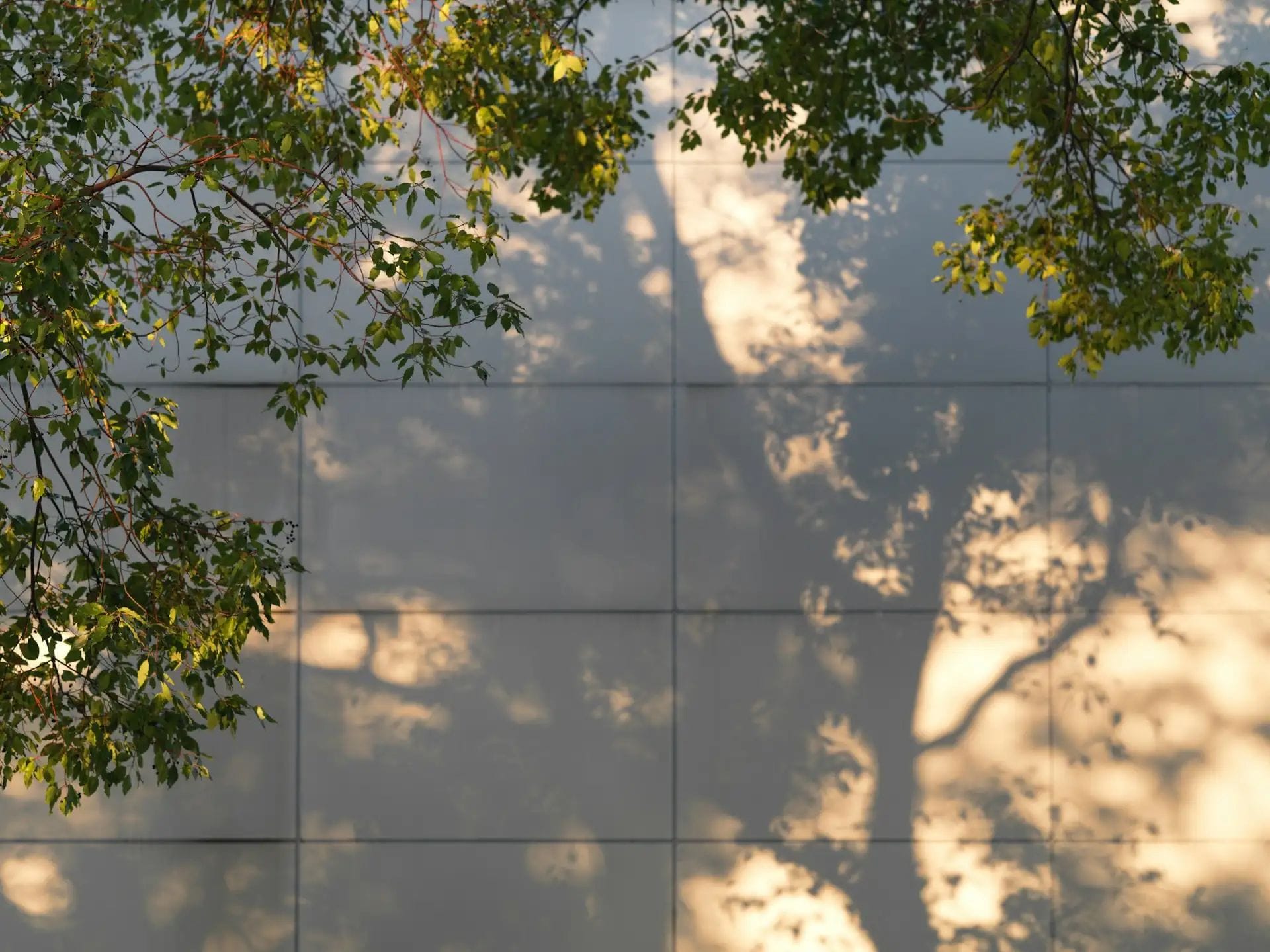
Lack of water reduces the natural cooling of trees and weakens the effect of their shade
During the hottest hours of the day, the trees in the Eixample can lower the air temperature by between 1.2 ºC and 1.7 ºC if the soil retains enough moisture. When the ground dries out, this natural cooling drops sharply.
A study by the Institut de Ciència i Tecnologia Ambientals (ICTA) at the UAB estimates that, when water is scarce, the shade from trees can provide up to 30% less thermal comfort than under optimal conditions. The canopy still protects from the sun, but its cooling effect is much weaker.
What happens when the soil dries out
To avoid dehydration, trees close the stomata on their leaves and slow down transpiration. This helps them retain the little moisture their roots absorb, but it also means they stop cooling the air as effectively.
In this situation, the cooling effect linked to the release of moisture is limited to a maximum of 0.4 ºC, nearly a degree less than with optimal humidity. Trees may lose leaves, and those that remain mainly provide shade.
Transpiration works when water absorbed by the roots travels through the plant’s tissues and is released into the air as vapour through the stomata. With moist soil, this process can reduce the thermal stress people feel by up to 3.2 ºC.
Shade also changes how hot it feels
In the sunniest parts of the Eixample, the mean radiant temperature—the heat a pedestrian feels from direct sunlight and the warmth reflected by the asphalt—can drop by as much as 12.3 ºC thanks to vegetation. The shade of a tipuana, for example, reduces thermal stress by limiting this radiation.
Urban climate adaptation is also being addressed in other ways, such as improving the resilience of the coastline. On the streets, trees also help improve air quality by capturing CO₂ and help to mitigate the urban heat island effect.
Watering now and permeable soil in the long term
ICTA’s forecasts suggest that by the end of the century, heatwaves could push temperatures in Barcelona up to 45 ºC. This heat would be compounded by the muggy feeling caused by the humidity of a warmer sea.
The study recommends ensuring that all urban trees are watered in the short term, especially during heatwaves and droughts. Looking further ahead, it proposes making it easier for the subsoil to absorb rainwater with permeable paving and urban drainage systems.