
News
Barcelona allocates €1.3 million of the tourist tax to Christmas lights
Barcelona will use part of its tourism revenue to finance Christmas lights in its neighbourhoods. The City Council will allocate around €1.3 million in aid so commercial areas can install festive lighting without bearing the full cost.
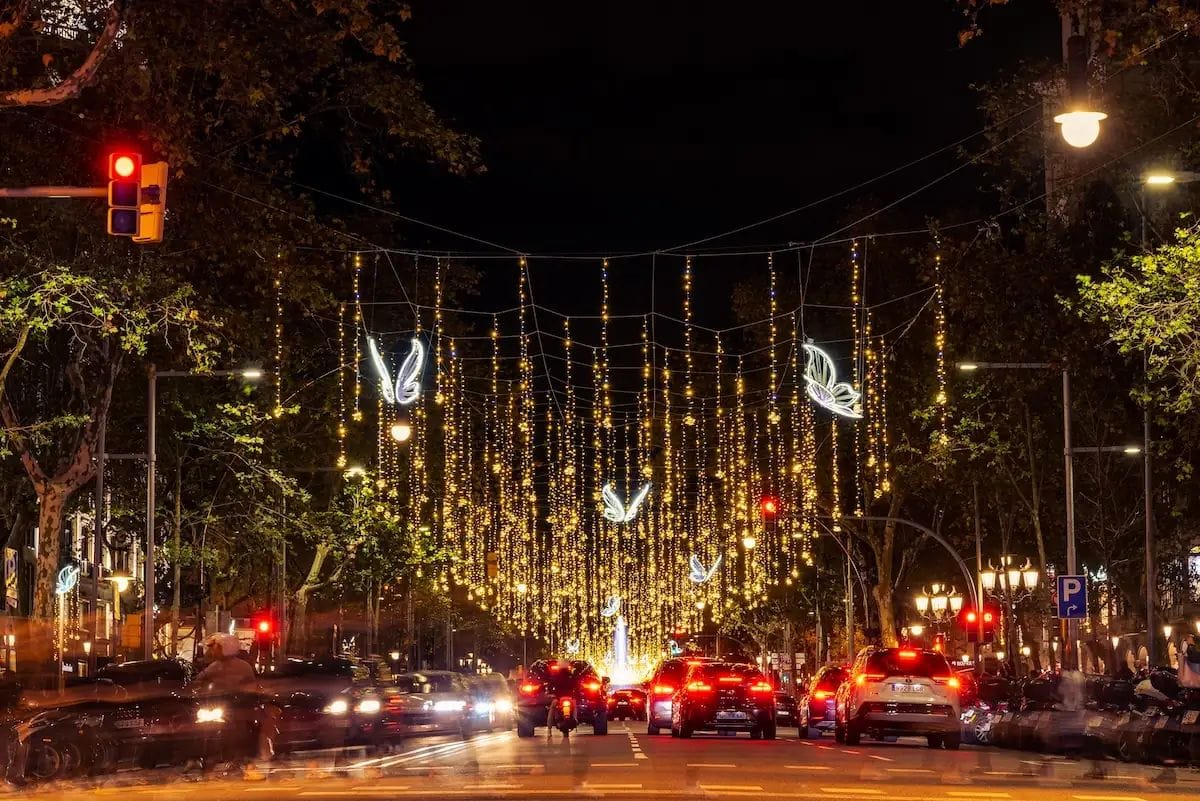
The measure will directly affect local streets, where many traders’ associations depend on grants to maintain Christmas decorations. For residents, it means more atmosphere in neighbourhoods. For shops, it is a way of attracting activity during one of the year’s most important trading seasons.
The aid will cover up to 75% of the cost of each installation, depending on the case. This allows small businesses and commercial entities to decorate their streets without the bill falling entirely on businesses that already operate on tight margins.
The money will come from the tourist tax, a source of revenue that Barcelona wants to return more visibly to the city’s day-to-day life. In this case, resources generated by visitors will help fund a campaign enjoyed both by tourists and by those who live and shop in neighbourhoods.
Christmas lighting is not merely an aesthetic matter. In many commercial hubs, the lights help to create routes, encourage afternoon strolls and can drive purchases at local shops over large stores or online platforms.
The decision also comes at a time when Barcelona is trying to distribute the effects of tourism more evenly. Having part of that revenue end up on neighbourhood commercial streets allows the benefit not to be concentrated only in the most visited areas of the centre.
For traders, the aid may make the difference between maintaining previous years’ decorations or reducing them because of costs. For residents, it means finding more carefully maintained streets during the festivities, including away from the centre’s large shop windows.
This Christmas, the tourist tax will have a highly visible expression: more lights in neighbourhoods and more support for local commerce. The key will be ensuring that this brightness does not remain only on the busiest streets, but also reaches the hubs where daily shopping sustains neighbourhood life.