
News
Madrid will provide free telecare to everyone over 85
From January 2027, Madrid will extend free municipal telecare to all residents over 85. The measure lowers the current threshold by two years and will allow thousands of older people to keep this service at no cost.
Until now, free access based on age was available to those over 87. With the new change, the Ayuntamiento will add 12,280 more users, bringing the total to 85,480 people who will not have to pay for the service.
The announcement is part of the debate on the state of the city and fulfils one of the PP’s electoral promises in Madrid: to gradually eliminate co-payment for telecare for people over 85. The measure will take effect from January 2027.
The process has been carried out in phases. In 2024, the service became free for those over 90; in 2025 it was extended to those aged 88 and 89; in 2026 it reached those over 87, and the next step will be to include everyone over 85.
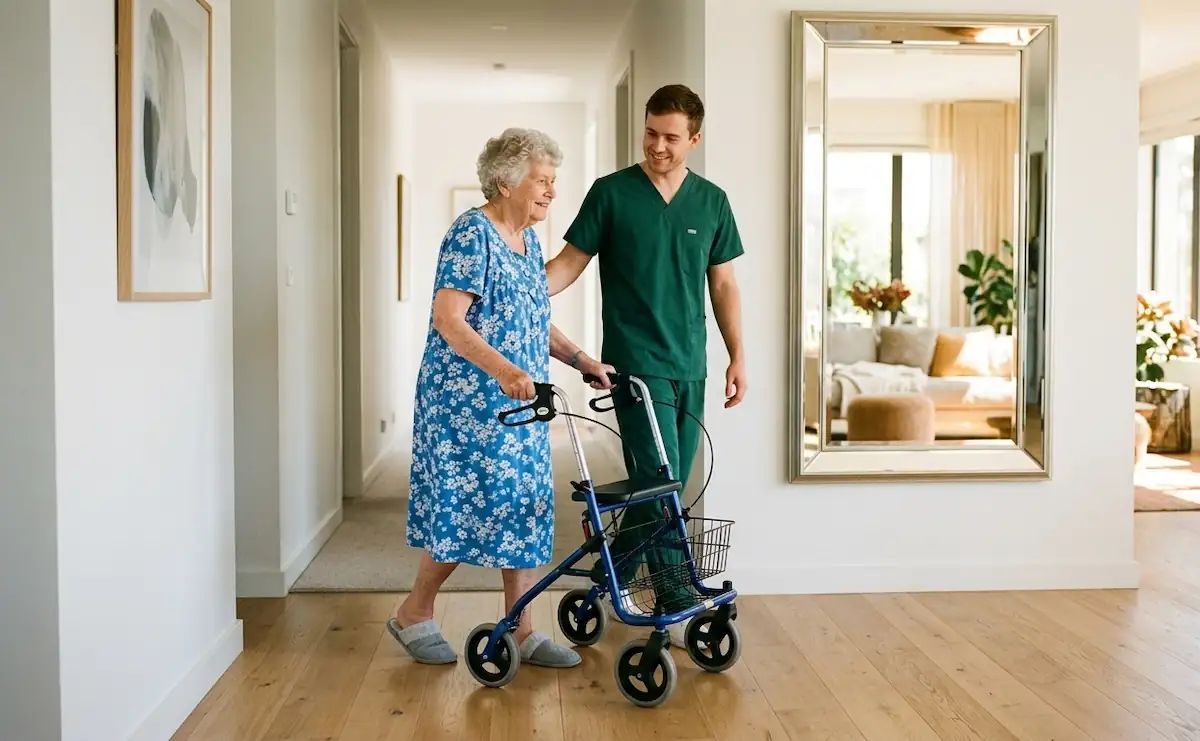
The measure has a direct impact on many families in Madrid. Telecare allows older people, especially those who live alone or spend many hours without company, to remain at home with a support network available in case of falls, emergencies, or risky situations.
Currently, the service has around 130,000 monthly users in the capital. According to municipal data, about 66% no longer pay for the service, either due to age or low income. There are also 35,500 people with incomes below 614 euros a month who benefit from free access.
Telecare is no longer limited to the classic emergency button. In recent years, it has incorporated devices that enhance daily safety, such as watches with an SOS button, bracelets or pendants with fall sensors, gas and smoke detectors, and systems designed to respond more quickly when something happens at home.
More than 13,100 users wear smart watches, another 40,700 use bracelets or pendants with fall detection, and gas or smoke sensors have been installed in 21,300 homes. These are discreet tools, but they can make a difference when an older person falls, becomes disoriented, or cannot call for help themselves.
The service is intended for people over 65 and those in situations of dependency who want to continue living in their usual environment. For many families, it brings peace of mind; for users, it is a way to maintain autonomy without feeling completely alone in an emergency.
An ageing population means cities must adapt their social services to a very specific reality: more and more residents want to grow old at home, but need accessible, nearby, and ongoing support. Telecare has become one of those silent elements that sustain daily life.
With this new extension, Madrid is not only reducing an expense for thousands of households. It is also reinforcing an increasingly important idea in the neighbourhoods: caring for older people is not just about responding to major emergencies, but about making it possible for them to continue living safely in their own homes.