
News
Casa Batlló recovers its last original home after three years of restoration
Barcelona has just recovered one of Casa Batlló's least-known and most exclusive spaces. After three years of restoration, the building's third floor once again shows how Antoni Gaudí imagined a Modernista home at the beginning of the 20th century, after decades hidden beneath renovations and alterations accumulated over time.
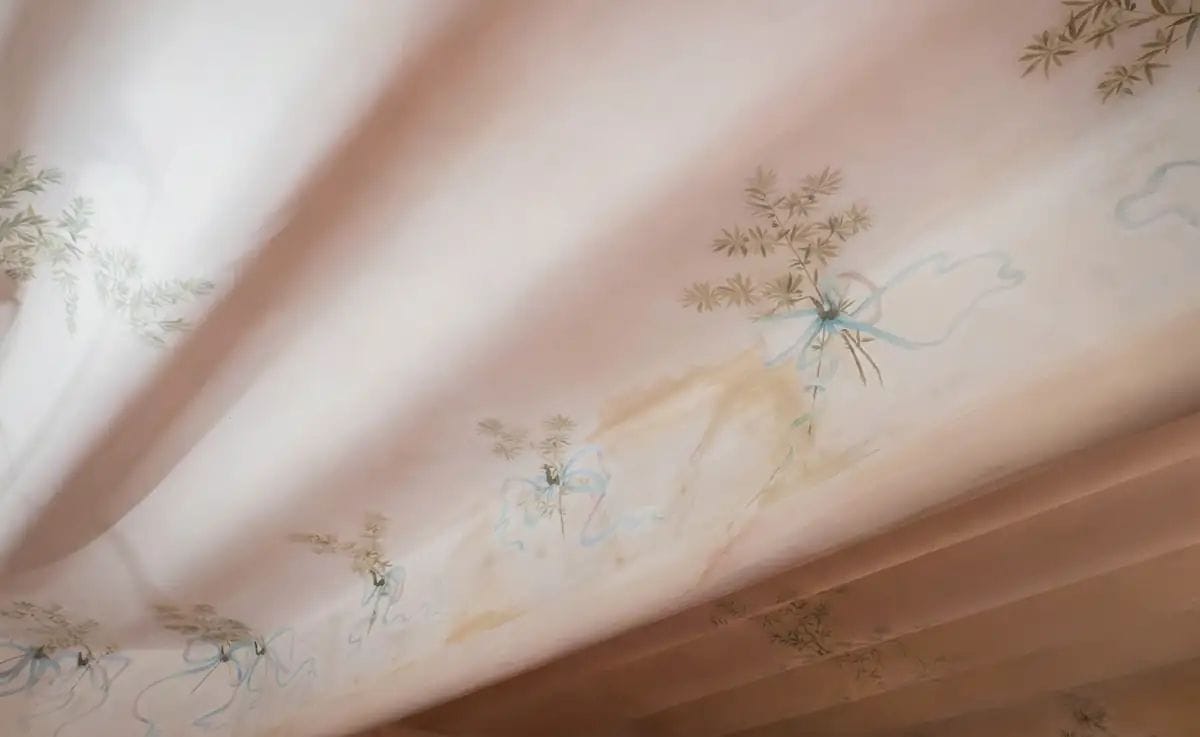
The reopening represents something unusual even for an icon as visited as Casa Batlló. Until 2019, descendants of the family linked to the property were still living in this 400-square-metre flat, located right on Passeig de Gràcia. Now, the space ceases to be a private residence and becomes one of Barcelona’s most distinctive heritage sites open to exclusive experiences and events.
The restoration has recovered original elements designed by Gaudí in 1906. Decorated ceilings, joinery, paving and lighting systems have reappeared after almost artisanal work in which restorers and specialists removed layers added over decades. Among the most striking discoveries is even an unprecedented handle that had never before been documented within the building.
The new space will combine heritage and contemporary uses. The floor will host private gatherings, dinners and gastronomic experiences designed for small groups, following an increasingly visible trend in Barcelona: turning historic buildings into immersive spaces where architecture, culture and premium leisure mix in the same experience.
The intervention also reflects how the city seeks to keep its heritage alive beyond traditional tourism. Against the model of quick, mass visits, places such as Casa Batlló seek to offer more exclusive and emotional experiences, where visitors not only observe Gaudí’s work, but can walk through it almost as if it were still inhabited.
Right on Passeig de Gràcia, surrounded by luxury shops, hotels and large tourist flows, Casa Batlló continues to function as one of Barcelona’s most recognisable symbols. Its ability to reinvent itself without losing its identity also reinforces the role of modernism as one of the city’s great cultural and visual hallmarks.
The recovery of this home also returns something important to Barcelona: the feeling that some historic buildings still conceal spaces capable of surprising even in a city accustomed to living daily with Gaudí’s work.