
News
Mayrit tunnel-boring machine connects Comillas and Madrid Río and speeds up L11
The extension of Metro Line 11 takes a key step beneath southern Madrid. The Mayrit tunnel-boring machine is advancing on the section between Comillas and Madrid Río and makes it possible to connect two of the future stations on a line set to change journeys between neighbourhoods without always passing through the centre.
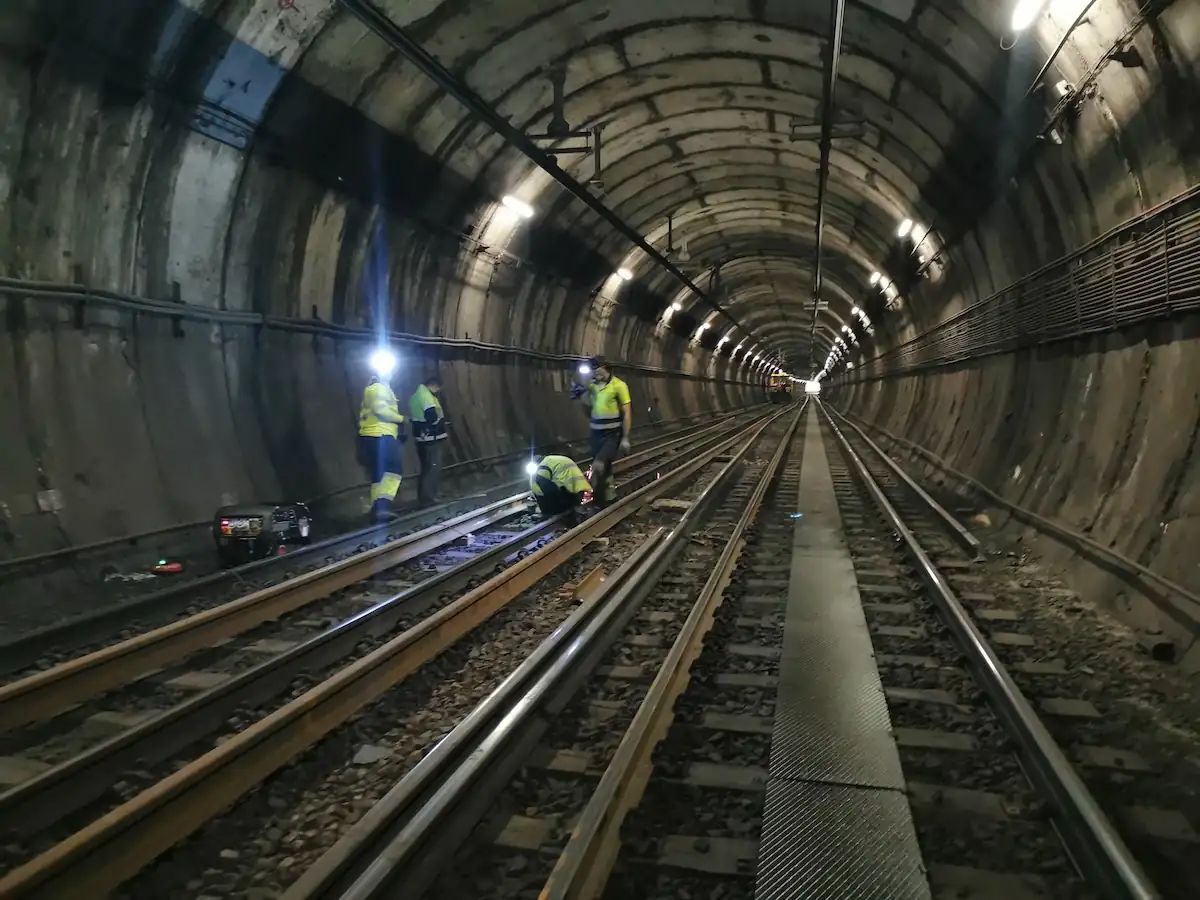
The machine began boring in March from the future Comillas station and is working at a pace of close to 20 metres a day. Its arrival at Madrid Río marks one of the most visible milestones in a complex project that runs beneath densely built-up areas, parks, established streets and spaces with busy neighbourhood life.
The section between Comillas and Madrid Río is important because it links two points that until now had no direct Metro connection. For residents of Carabanchel, Usera and Arganzuela, the future L11 can reduce detours, improve connections and make it easier to travel towards Atocha, Conde de Casal and other strategic points.
Mayrit does not just excavate. As it advances, it also installs the segmental rings that form the tunnel, making it possible to build the infrastructure continuously and with less surface impact than other methods. The tunnel-boring machine has thus become one of the central elements of the project.
When it reaches the future Madrid Río station, the machine will make a technical stop of around two weeks for inspection and maintenance. It will then continue towards Palos de la Frontera, Atocha and Conde de Casal, the next stations on the central section.
The extension includes a new 6.6-kilometre tunnel and five stations: Comillas, Madrid Río, Palos de la Frontera, Atocha and Conde de Casal. Two will be completely new and three will operate as major interchange points with other Metro lines, Cercanías and urban transport.
The project forms part of the so-called Metro great diagonal, a transformation that seeks to turn Line 11 into a corridor capable of linking the south-west and north-east of Madrid. In the long term, the line is to connect areas such as Cuatro Vientos, Plaza Elíptica, Atocha, Pueblo Nuevo, Mar de Cristal and Valdebebas.
Mayrit's progress signals how the day-to-day mobility map will change: less reliance on interchanges through the centre, new access to Madrid Río and a line that can bring together neighbourhoods that today seem much farther apart than they really are.