
News
The EU connects simulators to prepare its armies for cyberattacks
ACTING brings together 28 entities from 13 countries and connects simulation environments to rehearse cyberattacks against military systems and critical services. The European project was presented in Leganés and uses artificial intelligence to generate exercises.
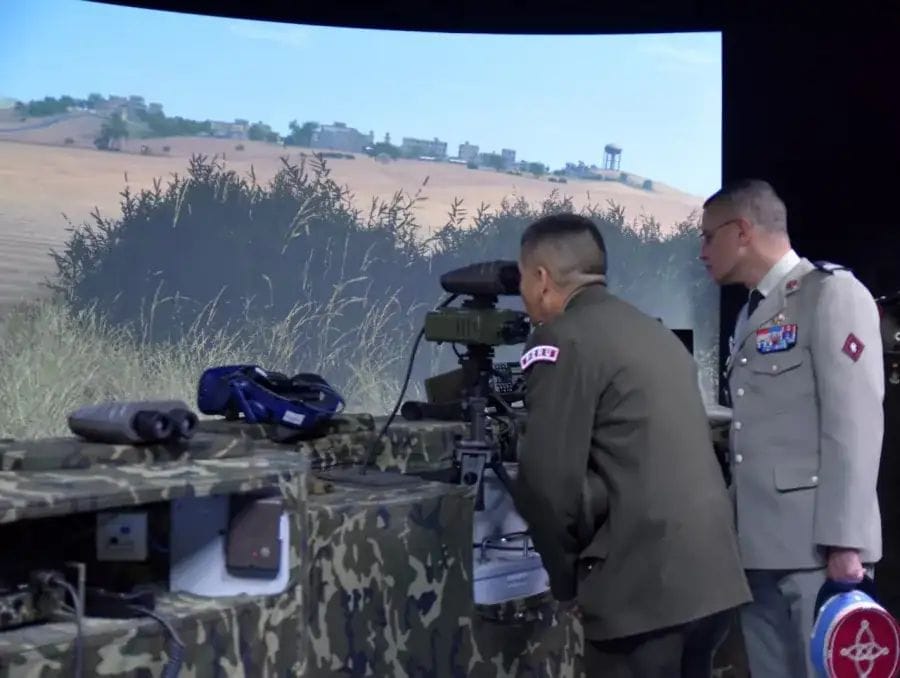
In ACTING exercises, real systems are kept out of reach: specialists work with networks and communications recreated under controlled conditions. The platform, presented at Universidad Carlos III de Madrid (UC3M), has reached TRL 7, which certifies the demonstration of a prototype in an operational environment.
Its aim is to connect the cyber ranges of different European countries. From a common access point, defence organisations can locate available facilities, request joint training, and assess their results.
Scenarios that test military and civilian systems
The simulations include a coordinated attack on the command and control systems of a joint headquarters, as well as land and naval units. Another case addresses threats targeting space and maritime systems, both military and transport.
The third scenario examines how the disruption of a civilian service can affect other connected systems. The goal is to train technical responses and improve coordination between organisations in the face of complex incidents.
AI helps design the exercises
MIBizPartners is developing artificial intelligence tools to automatically generate training scenarios. This way, exercises can be tailored to each team's needs and designed with less manual intervention and fewer resources.
The presentation took place on 30 October at the Leganés campus. Carmen Martín, director of Research and Innovation de MIBizPartners, and Mónica Álvarez, director of Operations and Development, explained the project's capabilities. The event, organised by the LSI research group at UC3M, brought together researchers, students, defence professionals, and business representatives in the sala Adoración de Miguel.
A European consortium with a planned completion date
ACTING began in December 2022 and is coordinated by the Instituto de Defensa de Bulgaria. Twenty-eight entities from thirteen countries are taking part, with co-financing from the Fondo Europeo de Defensa and a budget of 17.8 million euros.
The project aims for European countries to share training and interoperability capabilities, instead of developing all tools separately. Martín argued that having cyber defence platforms designed and controlled in Europe is a matter of sovereignty, and highlighted the contribution of technology SMEs to innovation in defence. Completion is scheduled for 30 November 2026.