
News
Zarzuela takes over La Latina with a classic set in Lavapiés
Zarzuela once again takes over one of the stages most closely linked to popular Madrid this week. From this Wednesday the 19th until Sunday 23 August, Teatro La Latina is staging El barberillo de Lavapiés, a classic by Francisco Asenjo Barbieri that makes the neighbourhood itself and its streets an essential part of the story.
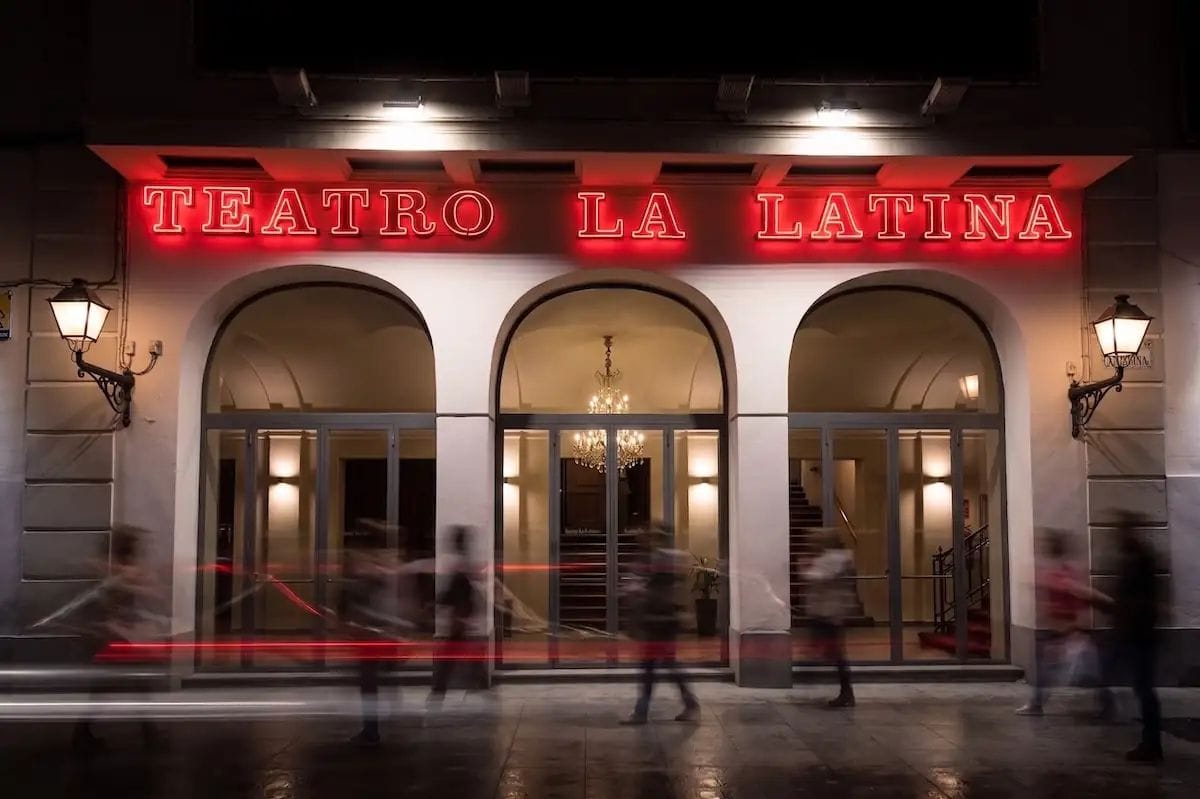
Performances will run from Wednesday to Saturday at 8 pm and on Sunday at 7 pm, with an approximate duration of 100 minutes. Tickets start at €24.50 and rise to €58.50 depending on the area of the theatre, with lower-priced seats that may have limited visibility in some scenes.
The work follows Lamparilla, a resourceful barber who moves easily among rumours, love affairs and political conspiracies, accompanied by the young seamstress Paloma. The action blends the people of Madrid with the intrigues of the court and recovers an 18th-century Lavapiés full of roguishness, songs and characters who come in and out of the aristocracy’s plans.
The music will be performed live by L’Operamore’s choir and orchestra. Marco Moncloa is responsible for the artistic and stage direction and Javier Corcuera for the musical direction, while the leading roles are played, among others, by Marco and Lorenzo Moncloa as Lamparilla and Camila Oria as Paloma.
El barberillo de Lavapiés forms part of a zarzuela programme that has occupied much of the summer at the theatre in Plaza de la Cebada. Following titles such as La Gran Vía, La revoltosa and La verbena de la Paloma, the bill keeps the genre in the very centre just as the most traditional festivities on Madrid’s calendar come to an end.
And there are still several dates to come. Luisa Fernanda will arrive from 26 to 30 August; La tabernera del puerto will take its turn from 2 to 4 September; and La Traviata will close this cycle on the 5th and 6th, making the leap from zarzuela to Verdi opera.
The location helps to complete the outing. The theatre is in Plaza de la Cebada, just a few steps from Mercado de la Cebada, Lavapiés and the streets where much of the traditional Madrid imagination that feeds these works unfolds. Leaving the performance means returning, almost without transition, to the same Madrid of squares, taverns and narrow streets transformed on stage.
This late August therefore offers an alternative quite different from terraces and summer cinemas: listening to a zarzuela with a live orchestra in La Latina while the story speaks precisely of the Madrid that begins on the other side of the theatre doors.