
News
LEZs change how Madrid gets around amid fines and new habits
Low-emission zones are already changing the way people get around Madrid. Fines for entering without permission have stopped being a distant threat and are beginning to weigh on very specific decisions: which car to buy, which route to take or when it is best to leave the vehicle at home.
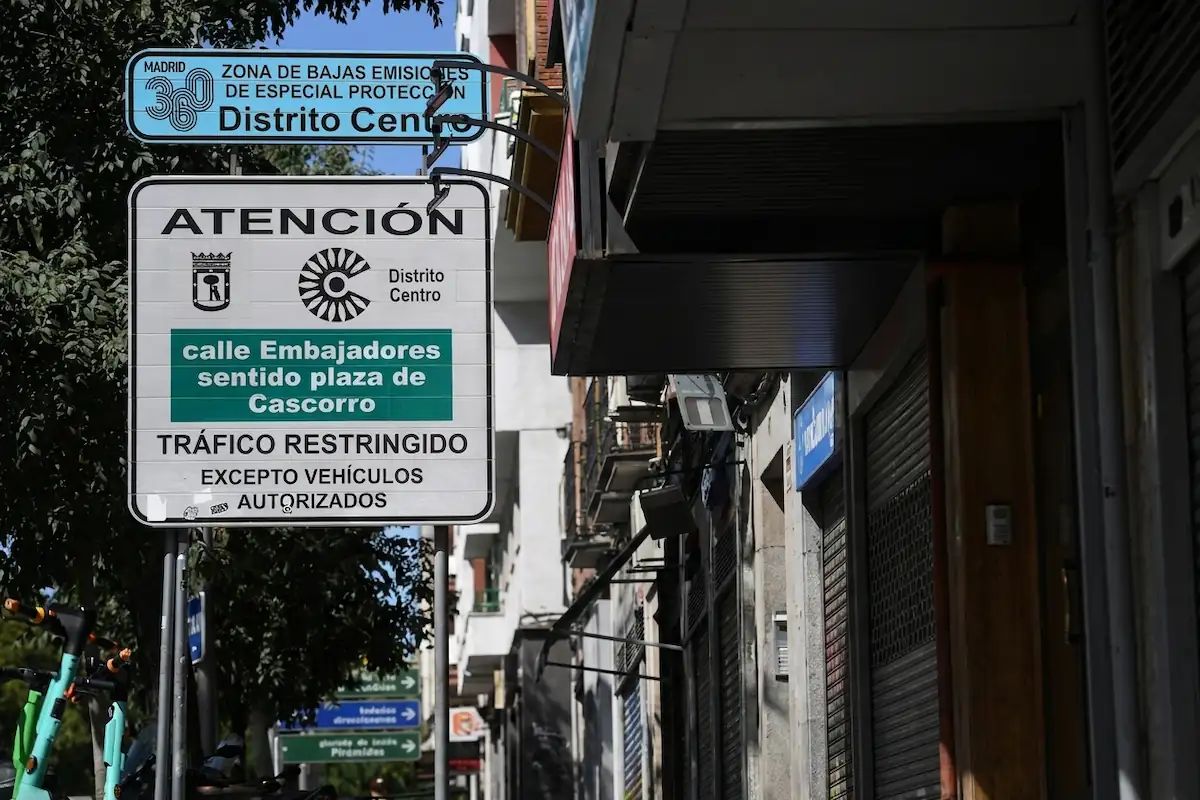
A report by the Cámara de Cuentas puts figures on that shift. Between 2022 and March 2025, fines for failing to comply with the ZBE have brought in more than 105 million euros for local councils, with the capital accounting for most of the fines.
The effect is also noticeable in the vehicle fleet. In the city of Madrid, hybrid and electric cars rose from 53,820 before the low-emission zones were introduced to 382,980 in 2024. That is an increase of 612%, a figure that shows how far the restrictions have accelerated changing habits.
Other municipalities in the metropolitan area are also recording movement in that direction. Rivas and Alcalá de Henares have seen the presence of less-polluting vehicles grow, while Fuenlabrada appears as an exception in the report, with a trend different from the general pattern.
Public transport is gaining prominence in parallel. Demand has practically doubled in Madrid since the arrival of the ZBE, while in Alcalá and Fuenlabrada the increase has been more moderate. This change is accompanied by growing bicycle use, although the report does not include it in those figures.
Implementation, however, is progressing at different speeds depending on the municipality. Of the 24 local councils required to have low-emission zones, only ten had them fully regulated in March 2025. Torrejón de Ardoz and Tres Cantos, among others, were still in the process.
The Cámara de Cuentas calls for the procedures to be accelerated and effective sanctions to be applied so that the ZBE do not remain a map without real consequences. The report has also opened up debate because of the lack of data from some municipalities, with calls to sanction those who do not cooperate with the audit.
The change is already noticeable on the streets: more drivers watching their environmental sticker, more journeys by Metro, EMT or Cercanías, and more doubts before crossing certain areas by car. In Madrid, the ZBE have gone from being a contested rule to becoming another part of everyday mobility.