
News
Barcelona no longer rests: nighttime heat worsens insomnia and fatigue
Sleeping well in Barcelona is becoming one of the summer’s biggest challenges. Temperatures no longer offer respite when the sun goes down, and tropical nights, when the thermometer does not fall below 20 degrees, are increasingly frequent. The result is felt the next day: more tiredness, poorer rest and a feeling of exhaustion that accompanies many people throughout the day.
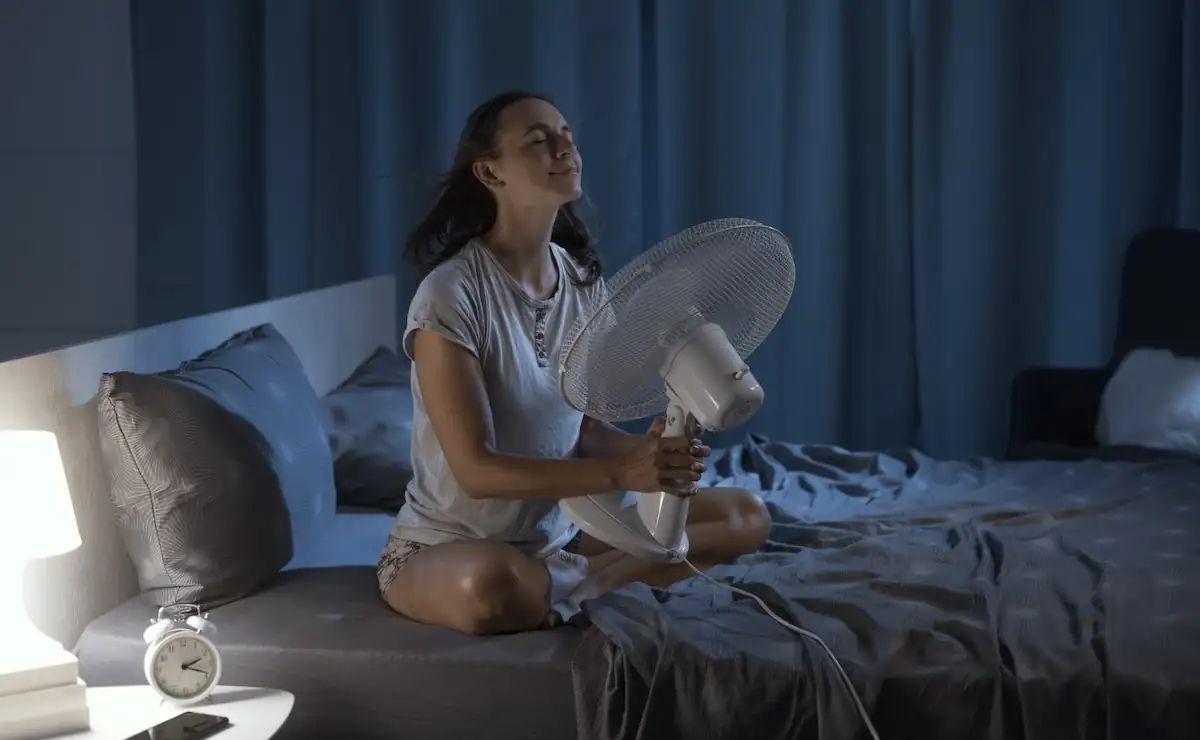
Heatwaves do not only raise daytime highs. They also prevent homes from cooling down at night, especially top-floor flats, poorly insulated buildings or homes without air conditioning. When heat remains inside homes, the body finds it harder to lower its temperature and get restorative sleep.
Various scientific studies warn that nighttime minimum temperatures are rising at a faster rate than daytime highs. This trend is reducing the hours of rest for millions of people and particularly affects cities, where asphalt and buildings retain heat even many hours after sunset.
The consequences go beyond tiredness. Sleeping too little or sleeping badly affects memory, concentration and mood. It also increases the risk of cardiovascular problems and worsens respiratory illnesses and mental-health disorders, especially during prolonged episodes of extreme heat.
The impact is not distributed equally either. Older people, young children, people who live alone and those who cannot maintain an adequate temperature at home are the most exposed. Energy poverty also manifests itself in summer, when many families have to choose between taking on a high electricity cost or enduring virtually unbearable nights.
More and more experts agree that adapting to the new climate scenario requires going beyond individual recommendations. Increasing green spaces, creating more climate shelters, improving the insulation of buildings and designing urban spaces that reduce heat build-up are some of the measures gaining prominence in cities.
Barcelona has already begun to promote measures to tackle extreme heat, but forecasts indicate that summers will continue to be longer and warm nights more common. Adapting the urban environment will be decisive in making rest once again something as everyday as closing one's eyes at the end of the day.
Tropical nights have ceased to be an exception and have become a reality every summer. With an increasingly warmer climate, rest is beginning to take a central place in the debate on public health and the future of cities, where the challenge is no longer only to endure the heat during the day, but to manage to sleep when night comes.