
News
Sleeping in the heat is already a health and housing problem in Barcelona
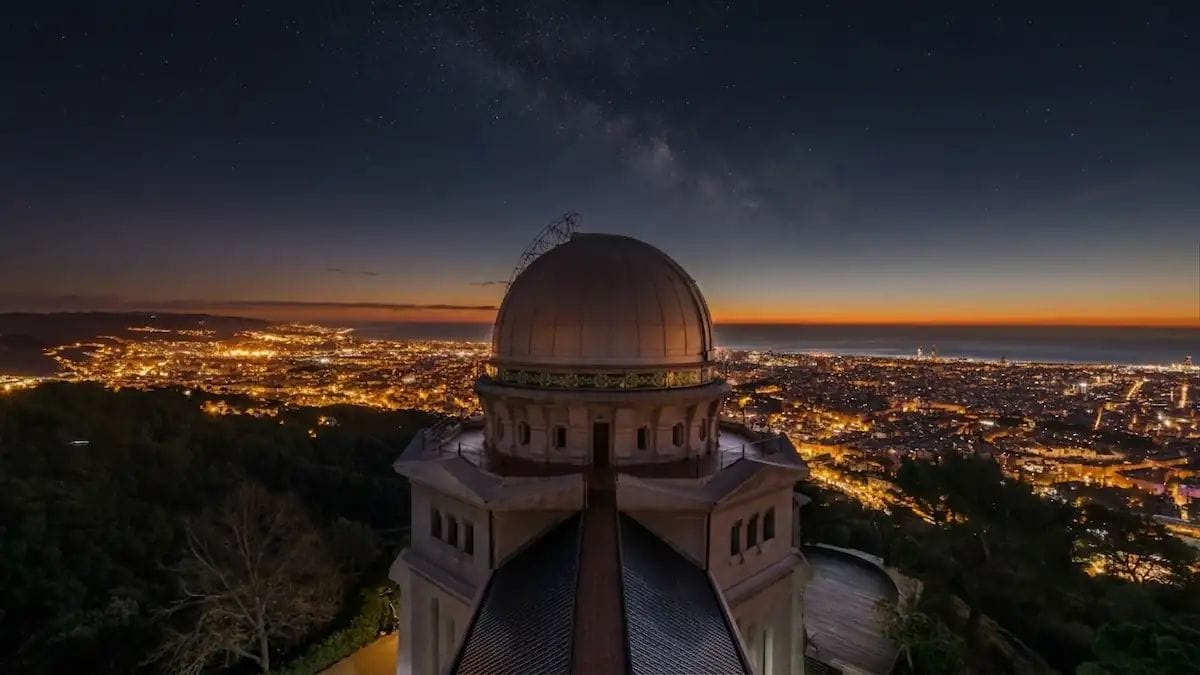
Sleeping in Barcelona is becoming increasingly difficult even before summer officially arrives. Tropical nights, those when the minimum temperature does not fall below 20 ºC, have already appeared in the city and also at Observatori Fabra this May, a clear sign that night-time heat is arriving earlier.
The difference between one night and another matters. A tropical night is when the minimum remains at 20 ºC or more; a torrid night is when it does not fall below 25 ºC; and a roent night is when the minimum reaches or exceeds 30 ºC. Barcelona lives with tropical nights every summer, is beginning to normalise torrid nights in its warmest neighbourhoods, but has not yet recorded roent nights in the city.
The phenomenon is not distributed equally. El Raval is usually one of the places hardest hit by nighttime heat, because of its urban density, narrow streets and the heat accumulated during the day. In 2024, this neighbourhood recorded the most tropical and torrid nights in Barcelona and Catalunya, with 67 tropical and 25 torrid nights over the summer.
In extreme years, the figure can be even harsher. By August 2023, El Raval had already accumulated 76 tropical nights and 27 torrid nights, a figure that better than any feeling sums up what it means to live in an area where the heat does not go away even before dawn.
This year, the early start is worrying because it confirms a trend: warm minimum temperatures arrive earlier, leave later and turn rest into an urban problem. It is not only about feeling hot. Sleeping badly for several consecutive days affects mood, performance, cardiovascular health and the ability to recover, especially among older people, children, people with chronic illnesses and residents living in poorly ventilated flats.
The urban heat island explains part of the problem. Asphalt, façades and buildings absorb energy during the day and release it slowly at night. In dense neighbourhoods, with little vegetation and poor ventilation, the temperature takes much longer to fall than in higher or more open areas, such as Collserola or parts of Zona Universitària.
The sea also has an influence. When the water is warmer than usual, the early hours lose their ability to cool down. This May, the Costa Brava exceeded 20 ºC at the surface earlier than ever since records have been kept, a symptom of a Mediterranean that accumulates heat ever earlier.
For Barcelona, tropical nights are no longer a meteorological curiosity. They are a concrete way of measuring how life in the city is changing: when the fan is switched on, how much it costs to sleep, which homes protect better from the heat and which neighbourhoods suffer most. Climate adaptation does not begin only with major plans; it also begins with something as everyday as being able to close your eyes without the house still burning after midnight.