
News
New smart lockers transform the routine on Metro Line 3
Metro Line 3 introduces 57 lockers for collecting online orders. The system will be available daily and handle more than 3,000 parcels a day. It changes how shopping is received in Madrid and reduces delivery traffic.
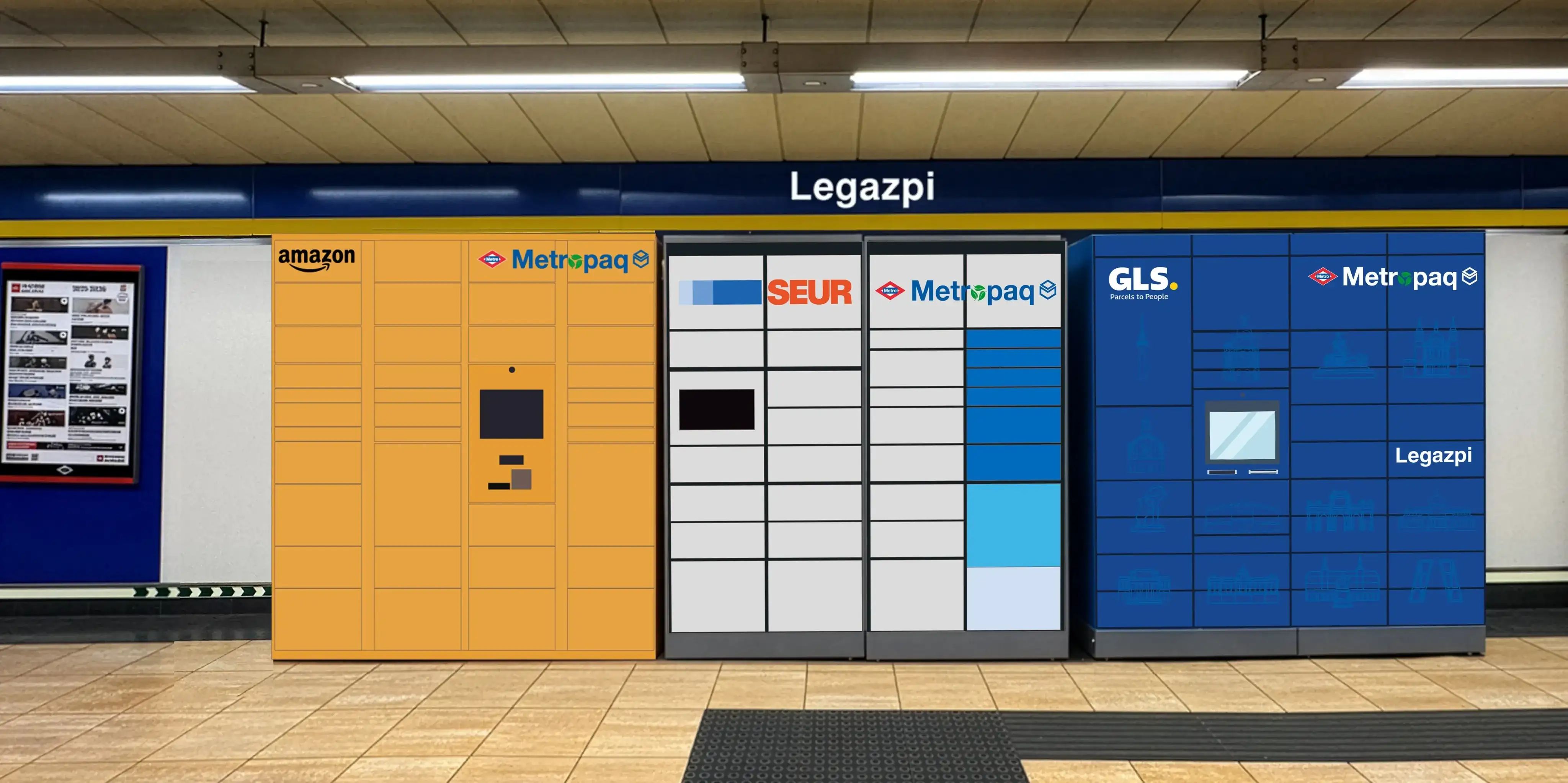
Line 3 of the Metro de Madrid has added a new service that is already beginning to change the daily lives of those who use it every day. Since this week, passengers have found 57 smart lockers spread across the 19 stations between Moncloa and El Casar, designed to collect e-commerce orders without leaving the metro or disrupting the usual pace of the journey.
The system, named Metropaq, can handle more than 3,000 parcels a day and will be available all year round, during the same hours as the Metro: from six in the morning to half past one at night. Collection is made using a QR code, which speeds up the process and avoids unnecessary queues or waits above ground.
From mid-March, companies such as Amazon, GLS and SEUR will integrate their services into these lockers, making it easier to collect online purchases just before or after a metro journey. According to the Comunidad de Madrid, the network will be fully operational in April and will not interfere with passenger flows.
As well as offering convenience, the initiative seeks to reduce delivery-van traffic on the streets, opting for logistics that are more sustainable and adapted to the urban pace. Metro stations are thus becoming logistics hubs that connect the movement of people and goods in the city.
Metropaq will not remain on line 3 alone. The plan is to extend these lockers to other underground lines in the coming months, as part of the second phase of the regional government's strategic freight transport plan. Trials have already been carried out on MetroSur, where a train makes specific stops at Alcorcón Central and El Bercial to collect goods at off-peak times and take them to the Loranca depot before final delivery.
The Metro de Madrid has spent years adapting to the city's new needs. Beyond passenger transport, its stations have become multifunctional spaces hosting everything from exhibitions to logistics services. This transformation responds to changing urban habits and the search for solutions that make everyday life easier in a city constantly on the move.