
News
Catalonia slows its energy transition despite the advance of solar power
Renewable energy covered only 15.3% of Catalonia’s electricity demand in 2025, less than in the previous year. The setback moves the target of reaching 50% by 2030 even further away and maintains a high dependence on other generation sources and imported electricity.
Renewable production stood at 6,940.68 GWh, 3.1% less than in 2024. Higher electricity consumption, the fall in wind power and the slow progress of new installations explain why coverage fell from the 16.2% recorded a year earlier.
If only the electricity generated within Catalunya is analysed, renewables accounted for 18.1% of the total, compared with 19.1% in 2024. Local production covered 84.6% of demand, while the remainder had to be made up with energy from outside.
Hydropower was again the main renewable source, with 3,822.52 GWh and coverage equivalent to 8.4% of demand. Its contribution, however, depends on rainfall, reservoir levels and water management, which introduces strong year-to-year variability.
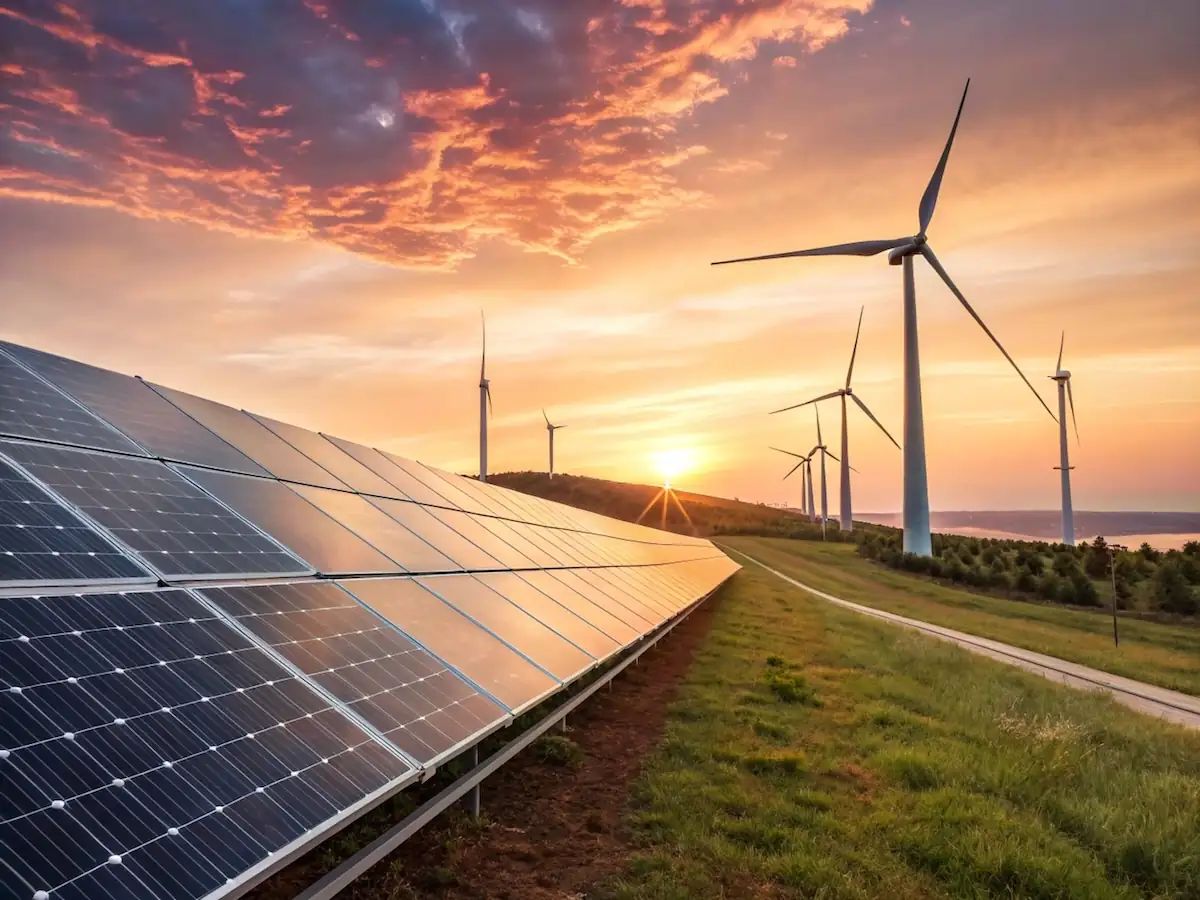
Wind power suffered the biggest blow. Its production fell by 16.8%, to 2,360.62 GWh, and it contributed only 5.2% of the electricity consumed. Solar photovoltaic power grew by 17.5%, excluding self-consumption, but still covered barely 1.1% of demand.
On paper, there are enough projects to speed up the change. There are currently 231 wind farms and more than 1,100 ground-mounted solar installations under consideration, with capacity that would make it possible to move closer to the planned targets. The problem lies in administrative timeframes and in how many of those projects will actually be built.
Storage appears as another bottleneck. Without batteries and systems able to store surplus power, some of the energy produced in the hours of highest generation cannot later be used when consumption rises or the sun and wind diminish.
The electricity grid also needs new connections and capacity to integrate more installations. Added to this is the shortage of specialised labour: the sector estimates that around 107,000 professionals will be needed by 2050, which would require training almost 4,000 workers each year.
The figures show an energy transition progressing unevenly. Solar power is gaining ground, but wind power, the grid and storage are still lagging behind, and every year lost narrows the margin for meeting in 2030 a target that already seems increasingly difficult.