
News
Madrid guarantees €14.8 billion for its public universities until 2031
Madrid’s public universities now have a much clearer financial outlook. The Community of Madrid has approved a new funding model that guarantees €14.8 billion until 2031 for the region’s six public universities, a decision that comes after months of tension, negotiations and demands from the rectors.
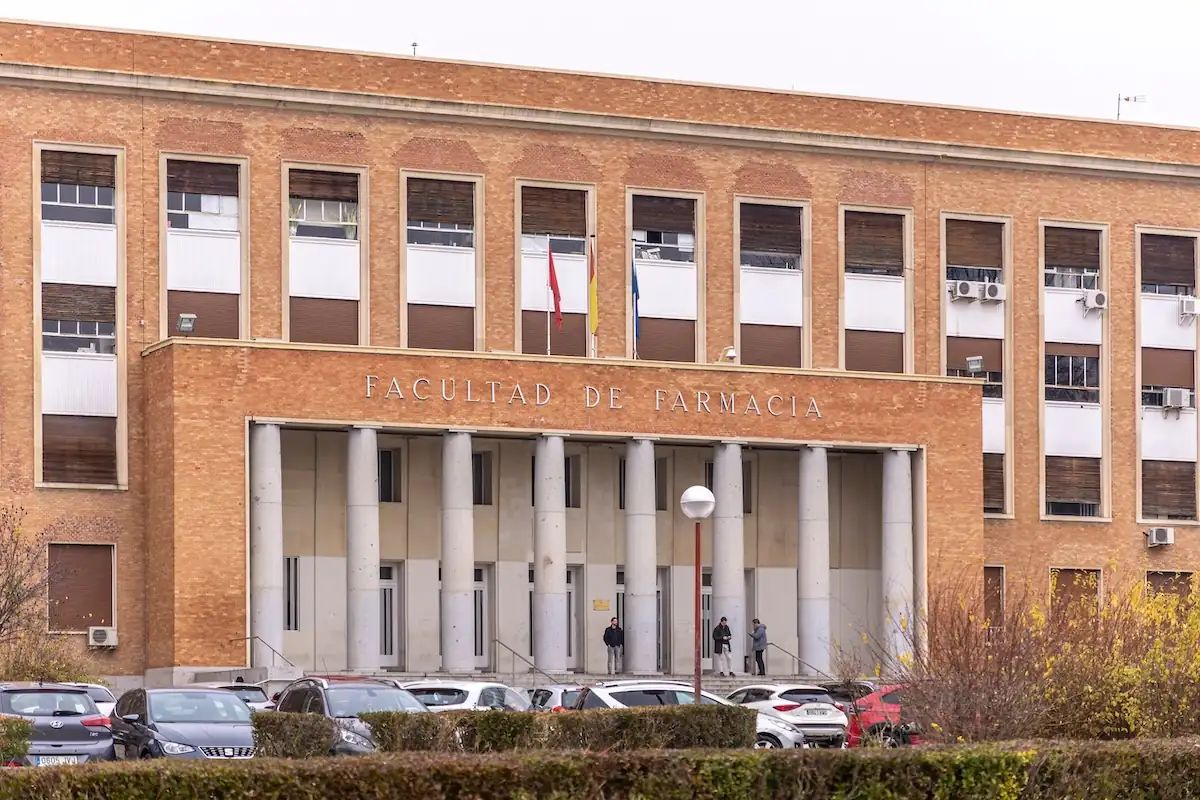
The agreement directly affects Complutense, Autónoma, Politécnica, Alcalá, Carlos III and Rey Juan Carlos. For the first time, the system will operate with multiannual planning, allowing the campuses to organise investments, strengthen services and design projects with more leeway than they have had until now.
Stability was one of the major demands of Madrid's university community. Without a clear framework covering several years, many decisions were conditioned by annual budgets, delays or extraordinary funding. Now, the universities will have an average of €2.465 billion a year to sustain their activity and plan improvements.
The allocation includes €2.9142 billion for Universidad Complutense, €1.6763 billion for Politécnica, €1.2605 billion for Autónoma, €971.9 million for Rey Juan Carlos, €850.1 million for Carlos III and €763 million for Alcalá. Eighty-three per cent of the funds will come from the regional budgets and public fees.
The new model will also make it possible to address the specific needs of each institution. This includes correcting imbalances, funding distinctive projects and modernising teaching, scientific and technological infrastructure. For students, the impact should be felt in better services, more up-to-date campuses and a university with less of a sense of impermanence.
The pact comes under the management of Mercedes Zarzalejos and consolidates the commitment signed in March between Isabel Díaz Ayuso and the rectors. The negotiation had been one of the most delicate issues in Madrid education policy, to the point of prompting changes in the Consejería de Educación.
At the same meeting, the Consejo de Gobierno also approved a 70% increase in the budget for educational guidance in state-subsidised primary schools. The measure will benefit more than 207,000 pupils at 430 schools and will make it possible to extend the minimum weekly provision to three days.
Public universities are not merely places of study. In Madrid, they function as small cities within the city: they drive transport, rents, bars, libraries, research, employment and cultural life. Giving them stable funding until 2031 does not solve all their problems, but it does allow them to plan with something that has been far too scarce in recent years: time and predictability.