
News
Legazpi introduces the first automatic platform doors on Metro Line 6
Metro de Madrid’s Line 6 begins its transformation with the installation of the first automatic doors at Legazpi, boosting safety and the modernisation of the service.
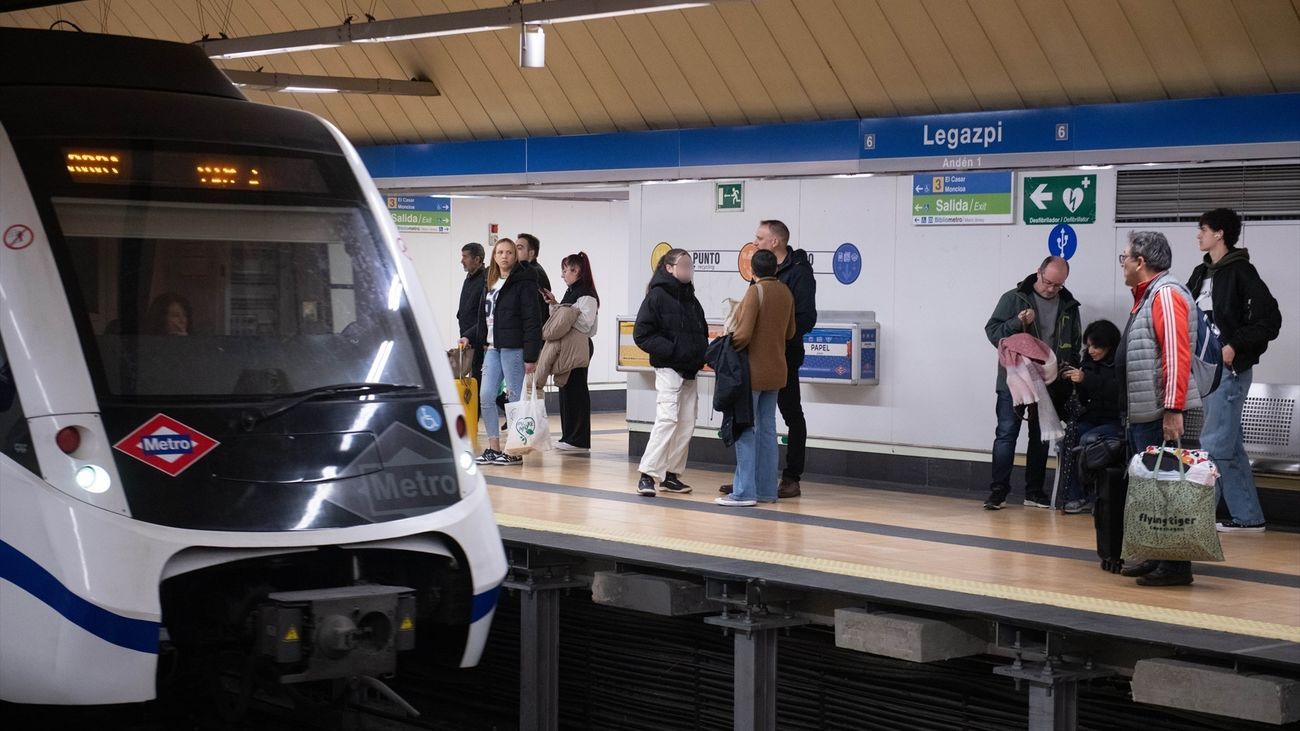

Legazpi station, on Madrid Metro Line 6, will be a pioneer in the installation of automatic platform doors, marking the start of automation of the city's busiest circular line. The first screens, manufactured in China, will arrive by plane at the end of January to speed up the initial tests and adjustments.
The contract for supply and installation, awarded to the UTE formed by Faiveley Transport Ibérica, Comsa and Comsa Instalaciones y Sistemas Industriales, amounts to 104.12 million euros, a figure that reaches 187 million when signalling is included. The agreement provides for a duration of five years, two of them dedicated to maintenance after installation.
The first assembly phase will take place on platform 1 at Legazpi, after the comprehensive refurbishment of Line 6, which has involved more than 200 days of partial closure. After a month and a half of tests, the process will continue on platform 2 to ensure correct operation. The rest of the material will arrive by ship and be stored at a Metro depot, then moved to stations at night so as not to affect daily service.
To support the weight of the new doors, the platforms have been reinforced with nearly 4,000 pillars and more than 7,700 metres of temporary footboards. Since 7 January, Line 6 service ends at 23:00 from Sunday to Thursday, while the usual timetable is maintained at weekends. During work nights, Metro provides free buses to guarantee mobility.
The transparent, anti-vandal doors incorporate colour signalling, safety bars, anti-trapping systems and informative LED screens. In total, more than 1,600 doors will be installed on 70 platforms by 2026, although they will remain locked until the line is fully automated.
The next stage of the project will begin in summer with the arrival of 40 new CAF trains. These trains, without a driver's cab, will begin tests in 2026 and carry passengers from 2027, offering greater capacity, speed and efficiency, with frequencies of up to two minutes.