
News
Les Corts takes centre stage in March with tours, debates, and inclusive architecture
Les Corts becomes the epicentre of architecture in March. Exhibitions, sensory tours, and debates with a gender perspective fill the district. The programme invites people to rediscover urban spaces and rethink the city. Barcelona experiences a key month for urban reflection.
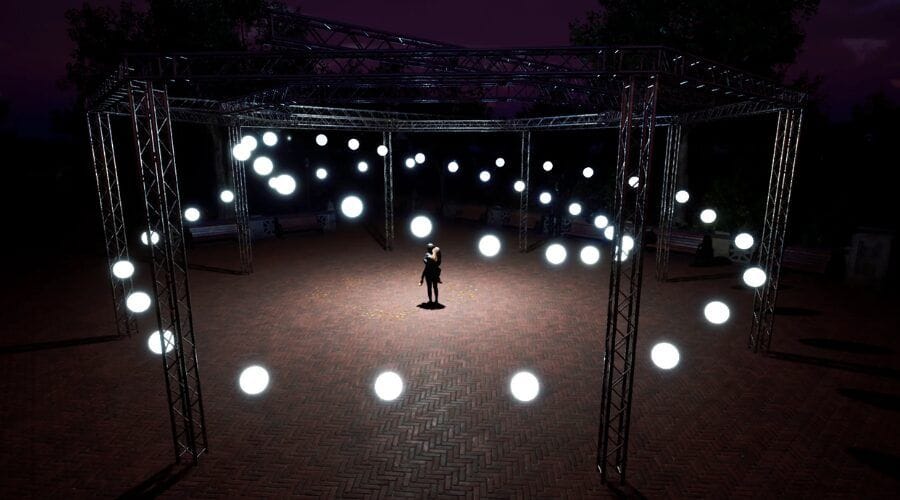
Les Corts becomes the epicentre of architecture in March. Exhibitions, sensory routes and debates with a gender perspective fill the district. The programme invites people to rediscover urban spaces and rethink the city. Barcelona is experiencing a key month for urban reflection.
This March, people who live in or travel around Barcelona will notice how Les Corts becomes the centre of cultural and urban life. The district lays on an agenda full of activities that invite people to look at architecture and public space from new perspectives, especially for International Women's Day. The city, in its role as World Capital of Architecture, puts the focus on Les Corts and turns its streets and facilities into settings for reflection and discovery.
The programme stands out for its diversity: from concerts exploring the relationship between sound and architecture at the parish of Santa Maria Reina, to sensory routes through Maternitat i Sant Ramon that encourage people to close their eyes and listen to the city. The proposals seek to bring architecture closer to citizens, with routes inspired by Jane Jacobs that promote debate about the urban future and workshops addressing the design of public spaces from a gender perspective.
March also brings exhibitions that assert women's role in architecture, such as the (In)visibles display at the Institut Francès, and activities that invite people to rethink the profession through equity. The «Itineraris visibles i visitables» routes travel through neighbourhoods such as Poblenou, Fort Pienc and Ciutat Vella, making the work of women architects and urban planners visible and showing how an inclusive outlook can transform the city.
The offer is completed by debates, lectures and guided visits that allow people to experience architecture first-hand. Highlights include exhibitions such as «Barcelona = (Diversitat + Intensitat) x Complexitat» at the former Gustavo Gili publishing house, and the Mostra d’Arquitectura Catalana at Oliva Artés, which explore the complexity and craft of building a city. In addition, surprising routes such as a visit into the city's entrails through its sewers or the «Internet tour» of invisible infrastructure offer an unprecedented view of Barcelona.
The World Capital of Architecture 2026, promoted by UNESCO and the UIA, seeks to ensure architecture reaches every corner of the city and prompts collective reflection on how the spaces we inhabit influence our daily lives. Les Corts, with its mixture of major infrastructure and local corners, becomes this month the urban laboratory in which to experience, debate and dream of the Barcelona of the future.
Centre Cívic Joan Oliver «Pere Quart» has established itself in Les Corts as a reference point for the district's cultural and social life. This space, an example of sustainable architecture, hosts exhibitions, workshops and meetings that encourage neighbourhood participation and dialogue about the urban environment. Its role as a venue for the World Capital of Architecture in Les Corts reinforces its vocation as a meeting point for those seeking to rethink the city through proximity and innovation.