
News
A herd of bison slows the advance of the fire in Madrid
The fire that has devastated part of Madrid's Sierra Oeste has left an unexpected and revealing image. At Bisonte Park, a reserve between Colmenar del Arroyo and Robledo de Chavela, flames burned around 160 of its 240 hectares, but barely advanced through areas where bison, cows and horses grazed.
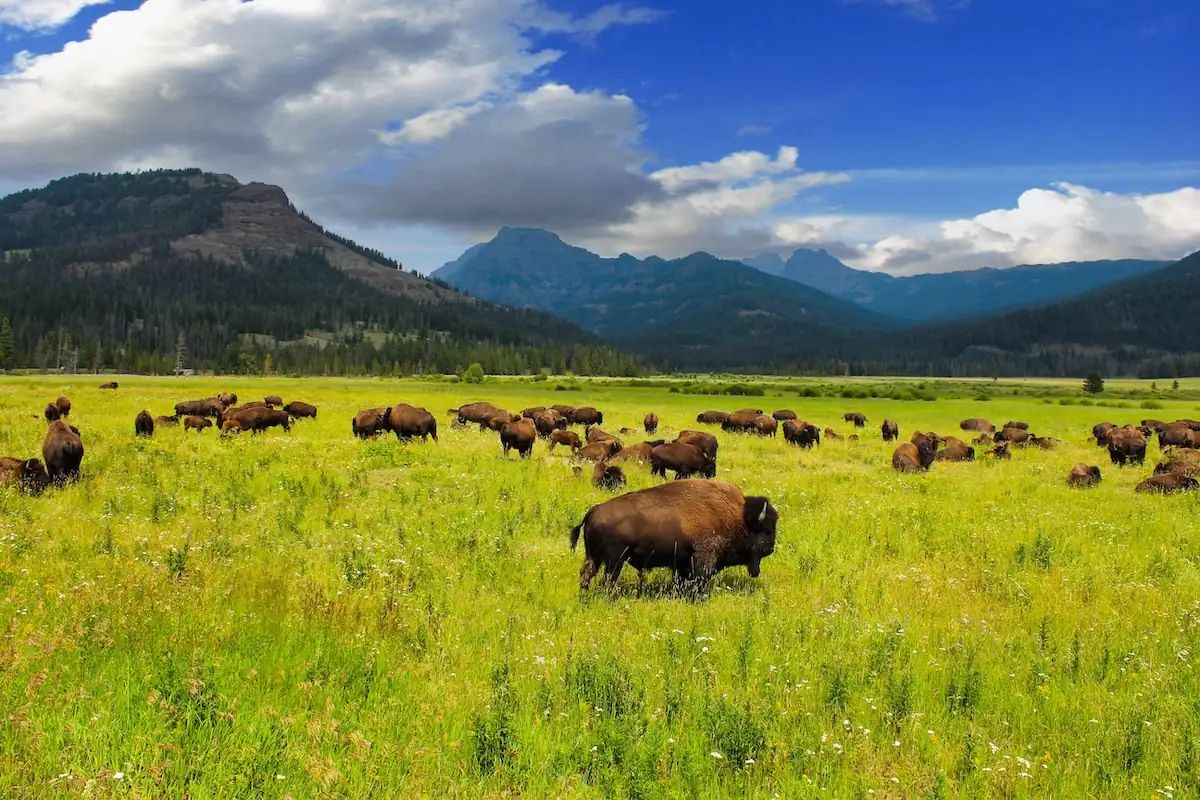
When the owners returned after the fire had passed, they expected to find a much worse scene. However, they found that most of the animals had survived and that the grazing areas still had large patches of green grass, in stark contrast to the completely burnt landscape in the rest of the estate.
The explanation lies in the constant work of the herbivores. By feeding on grass, shrubs, and low vegetation, they naturally reduce the amount of fuel available for a fire. This lower accumulation of plant matter makes it harder for the flames to spread with the same intensity and speed.
The people behind the reserve believe that the fire’s behaviour confirms the value of extensive grazing as a preventive tool. The project, which brought the European bison back to the Comunidad de Madrid after thousands of years of absence, was launched with a conservation goal, but now also adds arguments to the debate on forest management.
The case of Bisonte Park coincides with other initiatives studying the role of large herbivores in fire prevention. Similar projects are being developed in different parts of Spain to reduce accumulated vegetation through controlled grazing instead of relying solely on mechanical means.
Specialists, however, point out that bisonte are not a miracle solution. Cows, horses, sheep, goats, and even other wild species can play similar roles, as long as they are part of a broader strategy for managing woodland.
The prevention of major fires still depends on a combination of several measures, including forest clearing, maintaining firebreaks, extensive grazing, and constant monitoring during the months of highest risk. The experience of this estate shows that reducing the amount of vegetation can make a significant difference when fire arrives.
The scene leaves a hard-to-forget image: a blackened landscape interrupted by green strips where the animals had been grazing for months. It didn’t prevent the fire, but it did show how, when well managed, nature can become an ally in limiting its consequences.