
News
Catalonia's internal reservoirs approach historic levels after heavy rain
Recent rains have sent water reserves in Catalonia soaring. Reservoirs exceed 81% of their capacity. The level is approaching that of 2021. Discover how rain has transformed the water situation. Which areas have received the most water? Read the full analysis.
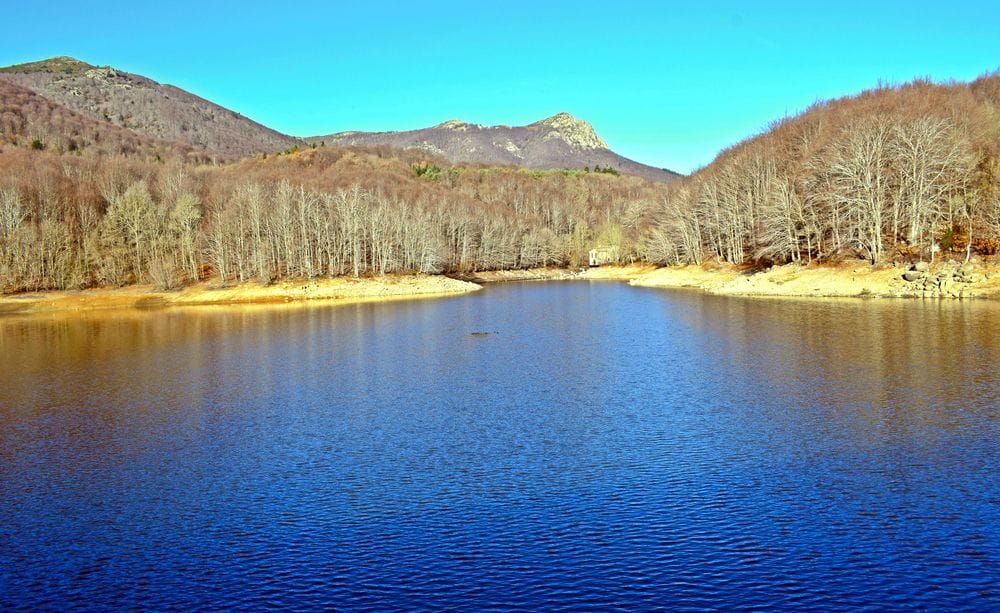
The intense easterly rains of recent days have caused a spectacular increase in water reserves at the reservoirs of Catalonia’s internal basins. The rainfall has been especially generous in the Ter, Fluvià and Muga basins, chiefly benefiting the Sau, Susqueda and Darnius-Boadella reservoirs.
This Sunday 28 December, by mid-morning, the group of internal reservoirs exceeded 81% of capacity and was still rising rapidly. This level matches that reached at the end of last spring and approaches pre-drought records, specifically those of early summer 2021, when the reservoirs stood at 82%.
In just three days, stored water volume has grown by 70 hm³, a figure equivalent to the total capacity of the Llosa del Cavall reservoir in Solsonès. Reservoirs in the Ter-Llobregat system (Sau, Susqueda, la Baells, Llosa del Cavall and Sant Ponç) have risen from 71.42% on 24 December to the current 83.5%.
The rain has been concentrated in the comarcas of Girona, where the easterly wind has intensified precipitation at the headwaters of the rivers feeding the main reservoirs. In this episode, which began on Christmas Day, more than 250 litres per square metre have been recorded in some areas, causing sudden rises in rivers and streams. Sau has risen from 43% to 67% capacity in only four days; Boadella, from 62.9% to 77.2%; and Susqueda, from 88% to 98.7%. Faced with the risk of overflow, Susqueda began releasing water on the night of 27 December.
The River Ter reached a maximum flow of 293 m³/s upstream of Sau around midnight on Sunday, according to data from the ACA gauge at Masies de Roda.
By contrast, the headwaters of the Llobregat and Cardener have received less rain, although the episode has also been significant in Alt Berguedà and northern Solsonès, with records of around 50 litres per square metre and snow accumulation at high elevations. The Llobregat reached a peak of 33 m³/s at Guardiola de Berguedà, upstream of la Baells. This reservoir has risen from 77% to 80% since Christmas, Llosa del Cavall from 71% to 80%, while Sant Ponç remains stable at around 80%.
As a precaution, the Foix reservoir has also had to release water in recent days, as it is practically full, at 83.7% capacity and with inflows of up to 2 m³/s.