
News
Madrid celebrates Museum Day with queues, extended hours and new experiences
Madrid turns its attention to its museums again, though this time not only as places for tourists or art lovers. International Museum Day transforms the city's cultural rhythm for a few days and turns rooms, courtyards and galleries into spaces far more lively than usual, with extended hours, special activities and queues already beginning to appear at some of the major centres.
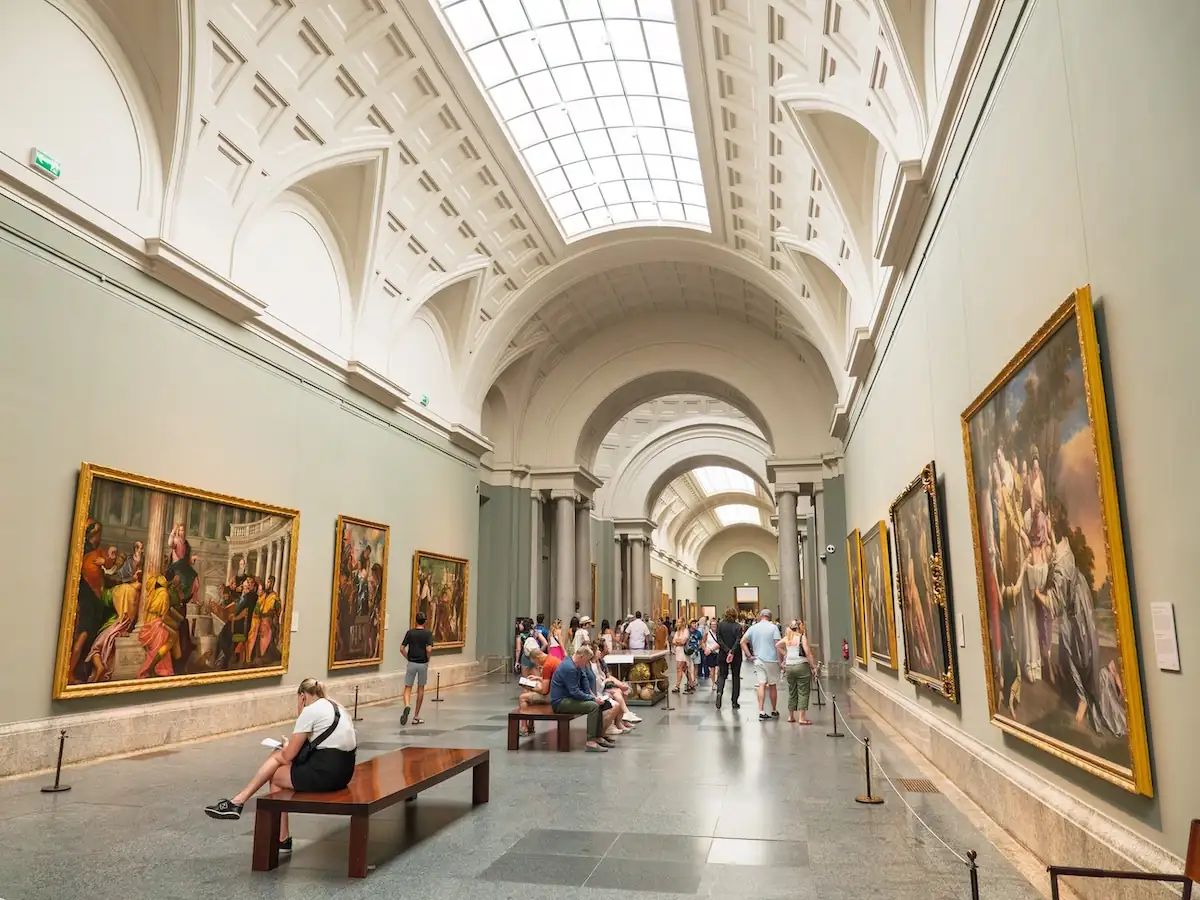
The Prado, the Reina Sofía and the Thyssen will once again draw much of the attention, but this year’s feeling goes beyond the big names. Small museums, lesser-known centres and specialist spaces are trying to make the most of the date to attract people who are not normally part of their usual audience.
The city responds. You can see it in sold-out bookings, packed terraces around Atocha and Recoletos, and that distinctly Madrid mix of tourists, students, families and residents going in and out of exhibitions almost as if they were improvising another weekend plan.
At the same time, the success also opens an uncomfortable debate. Some museums experience days of genuine overcrowding, especially on significant dates, to the point that walking through certain galleries can be exhausting. The romantic image of a visitor quietly contemplating a painting often clashes with endless queues and rooms full of raised mobile phones.
Other spaces, by contrast, face very different problems: lack of funding, inadequate air conditioning or difficulties keeping historic buildings open during the harshest months of summer. Madrid’s cultural reality is far more uneven than it appears from the outside.
Even so, museums continue to function as something rare and valuable within a fast-paced city. Places where time moves more slowly and where it is still possible to spend an hour looking at a photograph, a sculpture or a nearly empty room without anyone expecting immediate productivity in return.
This year’s motto, “Museums uniting a divided world”, fits particularly well in a city where culture remains one of the few spaces capable of bringing together generations, neighbourhoods and very different ways of living in Madrid.
Perhaps that is why museums are holding up much better than many people have predicted for years. While everything seems compelled to be fast, viral and fleeting, these spaces continue to fill with people willing to pause for a while, walk slowly and look at something with a little more attention.