
News
Barcelona launches remote-controlled lifebuoys already used in eight rescues
Barcelona Firefighters have a new tool for responding when someone is in trouble at sea. Two remote-controlled lifebuoys make it possible to reach the victim quickly without teams having to enter the water immediately, and they have already been used in eight interventions since last autumn.
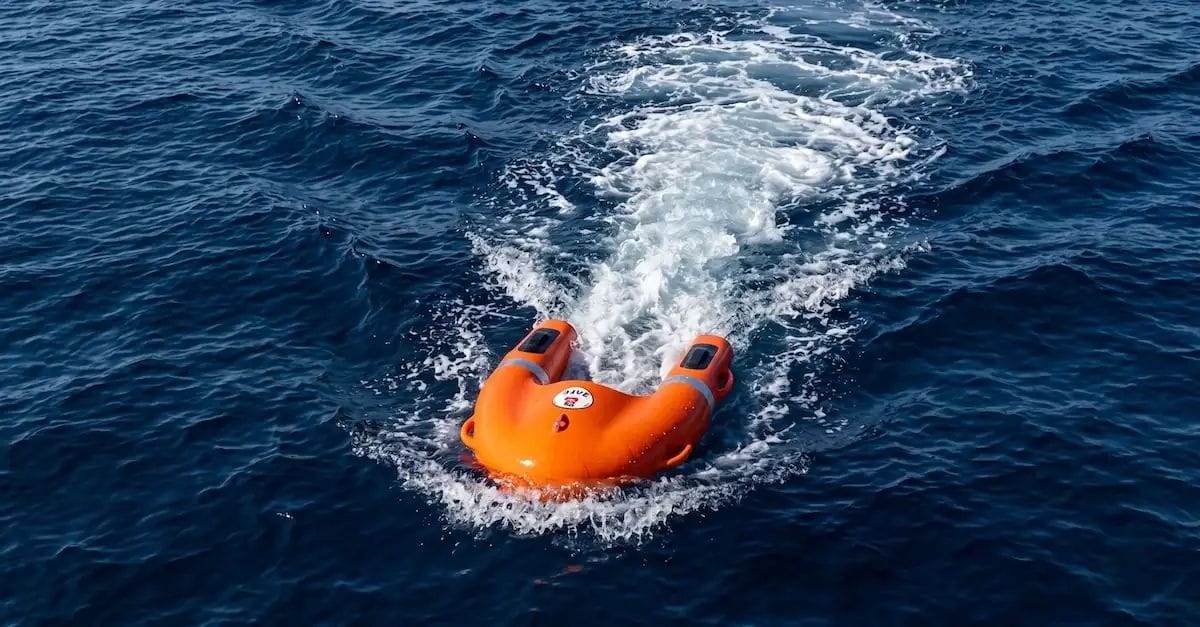
The devices work like powered buoys that can be steered remotely from the beach or from a boat. Once they reach the person, they can hold onto the lifebuoy and be towed to a safe area while firefighters control the route.
Each unit has a towing force of up to 240 kilos and is especially useful in situations where a boat has difficulty getting close. The Fire Service highlights its usefulness in rough seas, near breakwaters or at other hard-to-reach points.
The interventions carried out include several rescues of people practising paddle surfing who, pushed by the wind, were unable to return to land. In those cases, sending the buoy first saves time and also reduces the exposure of the emergency teams themselves.
The addition forms part of the reinforcement of Barcelona’s water-rescue service, made up of around thirty specialised professionals and three boats. The operation covers the city’s five kilometres of coastline and runs throughout the year, although its activity increases during the summer months.
By 31 July 2026 alone, the Fire Service had carried out 223 prevention and training actions, 17 rescue interventions, 19 technical assistance operations and three fire-related actions in the aquatic environment. In 2025, prevention and training work reached 547.
Technology, however, does not replace caution. The Fire Service recommends always checking sea conditions and flags before bathing, avoiding breakwaters and dangerous areas, and taking extra care when the wind blows if boards, inflatables or other light craft are used.
The new lifebuoys make it possible to arrive sooner and take fewer risks when an emergency arises, but the first safety barrier remains on the shore. On beaches that receive thousands of people every day during the summer, respecting instructions and not entering the water when conditions are adverse remains the simplest way to prevent a day at the beach from ending in a rescue.