
News
Lines 10, 11 and 12 will host night tests of new trains
Madrid begins to prepare one of the most important changes to its Metro: the arrival of new-generation automatic trains. This summer, the first units will run at night on test runs on lines 10, 11 and 12, before joining Line 6 later.
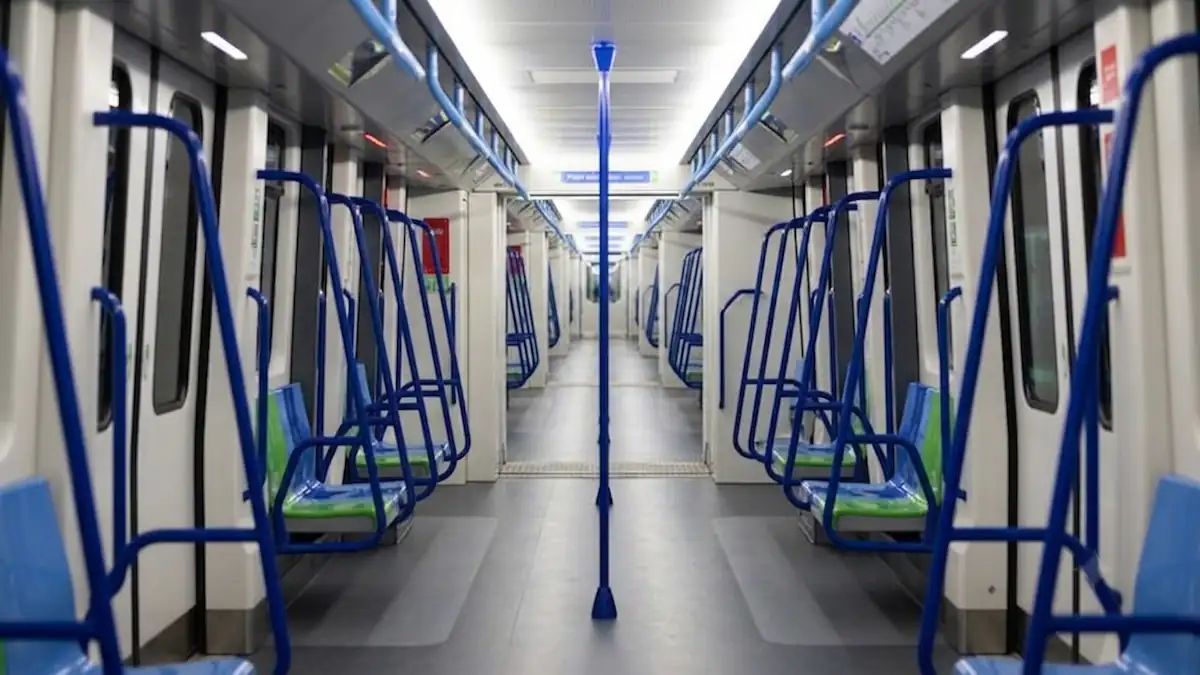
The distinction is important: this is not yet an automatic service for passengers on those lines. The trials will take place at night, with a driver and without affecting normal operations, in order to assess performance, capabilities, comfort and integration into the network.
The Comunidad de Madrid has already received the first of the 48 trains ordered from CAF. The investment amounts to 531.2 million euros and is part of the renewal of rolling stock that will make it possible to withdraw older units and prepare for the automation of Línea 6.
The new trains will have six carriages, be 109 metres long and have capacity for 1,385 passengers. This represents 17% more space than the current trains, a key improvement for a network where peak hours continue to shape the daily experience of thousands of users.
Automation will make it possible to increase frequency to 30 trains per hour, with intervals of around two minutes at times of greatest demand. A 20% reduction in electricity consumption is also expected, a relevant figure for infrastructure that operates almost without pause.
The main aim lies with Línea 6, the circular line and one of the most used on the Metro de Madrid. These trains are expected to enter service there in 2027, once the works have concluded and the necessary tests have been completed under safe conditions.
For passengers, the change should be felt in shorter waits, greater capacity and more regular service. On a line that connects interchange stations, universities, hospitals, dense neighbourhoods and major employment areas, every improvement in frequency can greatly change the daily routine.
The arrival of these trains is not only about technology. It also shows the direction in which Madrid's public transport is moving: more capacity, greater efficiency and a network prepared to absorb a city that is growing, moving around more and needs the Metro to remain its backbone.