
News
Rail strikes keep up pressure on travel from Madrid
Renfe reported that 512,000 people were affected on Cercanías Madrid during Tuesday the 10th. Semaf has changed one of its strike dates following the approval of railway safety measures, but is maintaining the strike on 17 November.
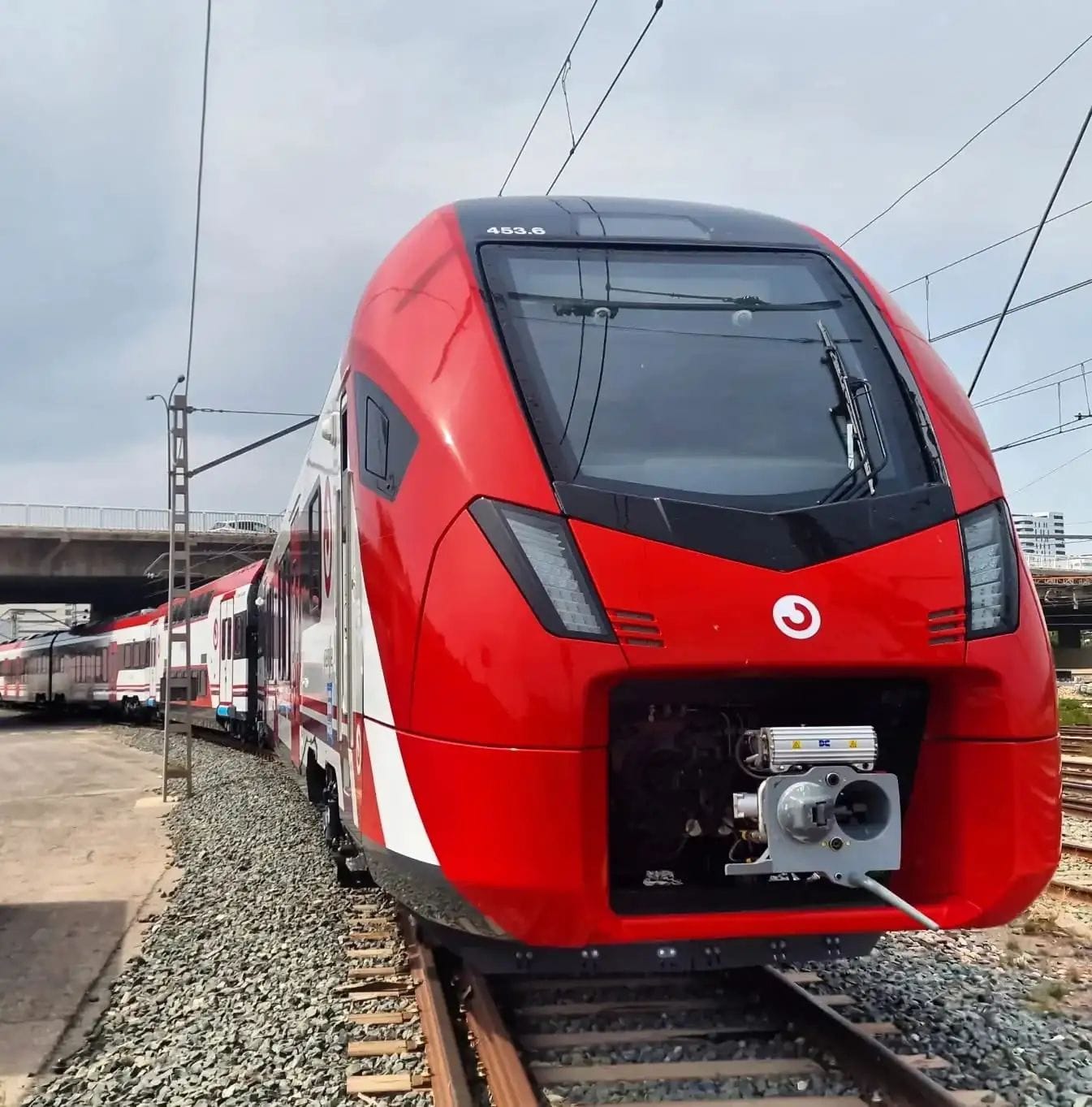
On Cercanías Madrid, 91.87% of the trains scheduled as minimum services were cancelled during Tuesday the 10th, according to Renfe’s report up to 18:00. The company estimated that around 512,000 people were affected in the Madrid area.
In this context, Semaf has withdrawn the strike it had called in Grupo Renfe for Thursday, 12 November, and postponed it to Monday, 23 November. The union is maintaining the stoppage planned for Tuesday, 17 November, across the entire railway sector.
A postponement linked to safety measures
The change came after the Consejo de Ministros approved a royal decree-law with railway safety measures and social protection for sector professionals. Semaf considers that the regulation represents a first step towards the commitments made and allows more room for negotiation with the Ministerio de Transportes.
The organisation maintains that the pressure will remain until all agreements are fulfilled. It has warned that it will not consider its demands met with just signed documents or political commitments: it requires that the measures be approved and come into force.
The dispute adds to other labour actions that have affected mobility in Madrid; a previous call blocked Gran Vía, according to this report on the general strike in the centre.
Renfe’s report in Madrid and other corridors
Across Grupo Renfe, participation among those able to join the strike was 33.2% during the night, morning, and afternoon shifts, according to the company. For Cercanías, Rodalies, Avant y Media Distancia, Renfe reported 55.38% of minimum services cancelled or not running, with more than 653,000 travellers affected.
Commercial services also saw cancellations. Renfe stated that 41.5% of trains included in the minimum services for AVE, Avlo, Alvia, Euromed e Intercity were cancelled; the company noted that 9,234 passengers were affected.
The Levante y Mediterráneo corridor was the hardest hit, with 64.1% of trains cancelled and more than 5,000 travellers affected. There, 47.6% of scheduled AVE services and 87.5% of Euromed were cancelled. In the Nordeste corridor, cancellations reached 34.8% of AVE, Avlo y Larga Distancia trains included in the minimum services, with more than 2,000 people affected.
Between Madrid, Castilla y León, Galicia y Asturias, 23.8% of trains in the Norte corridor were cancelled; Renfe counted 1,761 affected passengers. The company clarified that these figures correspond to Tuesday’s report, not to the evolution of service on Wednesday.
What measures are included in the royal decree-law
The regulation includes measures on train drivers’ driving times and strengthens the supervisory and inspection powers of the Agencia Estatal de Seguridad Ferroviaria (AESF). It also incorporates Cultura Justa into the Ley del Sector Ferroviario, aiming to facilitate risk communication and protect workers from possible reprisals.
The text recognises that train drivers may stop a train or not start it if they detect a serious and imminent risk, and establishes that they must report it without delay. On social matters, it provides for extending the reduced retirement age coefficients to professionals from railway companies operating on certain networks.