
News
Madrid accelerates its growth and prepares for a longer-lived, more diverse city
Madrid gains residents and changes its pace. The region expects to reach eight million in 2039. More older people, more births and new urban challenges. Ageing and housing set the agenda. The city's future is decided today.
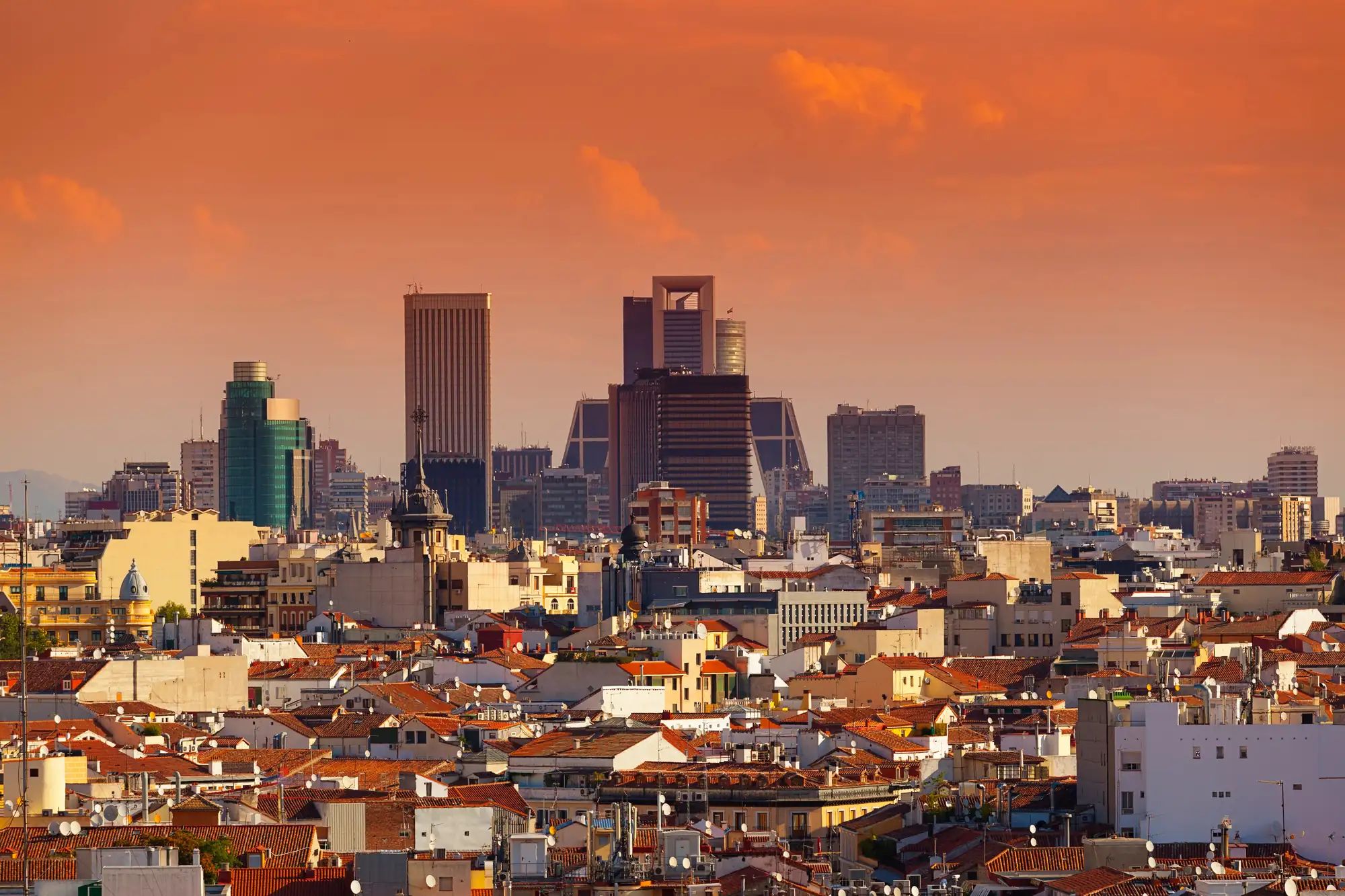
Madrid's pulse does not stop. The region has just exceeded seven million inhabitants and is already projecting an even greater leap: reaching eight million in a little over a decade. This growth, felt in neighbourhoods, streets and transport, makes it necessary to rethink how people live and age in the city.
In 2025, the Community added more than 135,000 new residents, almost half of them foreign nationals. The steady arrival of people drives the economy, but it also demands rapid responses in housing, energy, infrastructure and public services. The challenge is clear: to maintain quality of life while the population ages and diversifies.
Ageing is visible in the figures. By 2039, nearly 7,000 Madrid residents are expected to be over one hundred years old, tripling the current number. More than 80% will be women. Today, one in eight residents will be over 75 and four in ten will be over 55. Madrid's longevity, with a life expectancy of 86.1 years, leads the European Union and sets a historic record.
But Madrid is also growing from below. In 2025, births rose by 3.3% compared with the previous year, putting the region ahead of other communities. This demographic dynamism makes it necessary to anticipate needs in healthcare, transport, education and social services. Projects such as the City of Health, the City of Justice, Madrid Nuevo Norte and the extension of the Metro seek to respond to these challenges.
The map of the region is also changing. The capital will lose relative weight to the metropolitan ring, which is gaining prominence thanks to better infrastructure and new housing opportunities. The city of Madrid is expected to go from 49% to 37% of the regional population in 2039, while surrounding municipalities grow and transform.
Housing is one of the major challenges. According to estimates, Madrid will need to build more than half a million homes over the next thirteen years. The market requires 40,000 new homes a year to balance supply and demand. The region says it has the capacity to absorb this growth, but pressure on land and energy is increasing.
Energy planning is becoming a key issue. The regional Government is calling for more electricity infrastructure to guarantee both residential development and the viability of data centres and technology projects. A lack of foresight could delay entire neighbourhoods and slow the city's digitalisation.
From Puerta del Sol, they insist that growth must be balanced and planned. The priority is to adjust services and infrastructure so that any Madrid resident, wherever they live, enjoys quality of life. Madrid continues to attract talent, investment and opportunities, and the city is already beginning to move in that direction.
The Community of Madrid, with its blend of tradition and modernity, has managed to adapt to demographic changes in recent decades. Outlying neighbourhoods, once residential and quiet, have become centres of activity and diversity. Public transport, key to daily life, connects ever more areas and facilitates the mobility of a population that is ageing but does not give up urban life. Thus, the region is preparing for a future in which longevity and diversity will be central to everyday life.