
News
Madrid expands birth assistance and raises the maximum age for mothers with a third child
The Comunidad de Madrid is expanding its birth assistance programme. Now, mothers up to the age of 35 with a third child can receive up to 14,500 euros. The measure comes in response to the rise in births in the region. Access criteria and income limits have been changed.
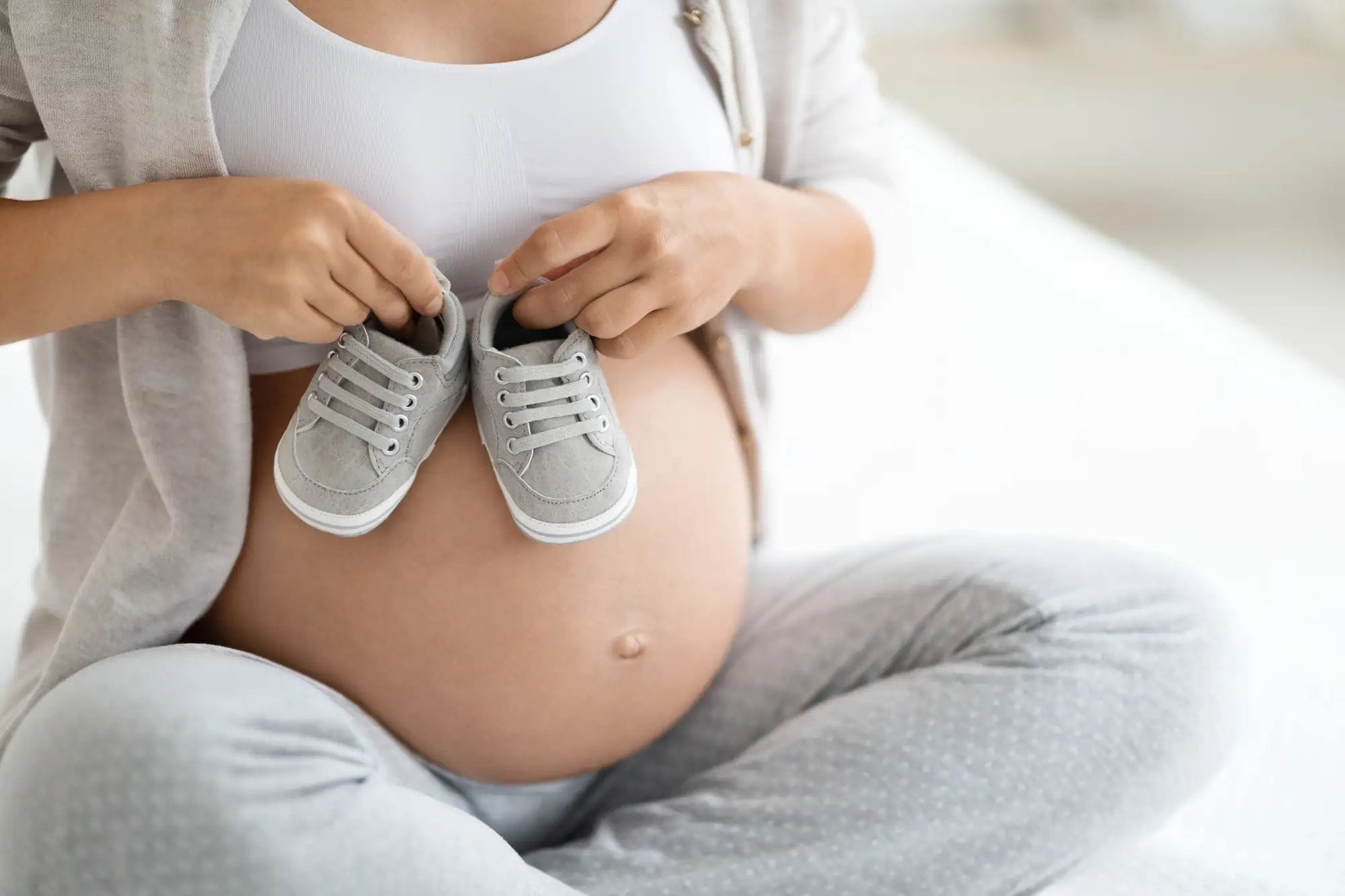
Madrid's demographic trends are shifting: the Comunidad de Madrid has announced that the €500 monthly birth grant will now be available to mothers up to the age of 35 who have a third child. Previously, only those under 30 could access this benefit. The change comes at a time when the birth rate in the region is growing at 3.3% annually, well above the national rate of 1%.
The measure will allow more families in Madrid to receive up to €14,500 per child, provided they meet the requirements that the administration will specify in the next call for applications. Payments begin at week 21 of pregnancy and continue until the child turns two, amounting to 29 monthly payments of €500 each. This is not a one-off payment, but ongoing support for families during the early years of a child's life.
To access this grant, several conditions must be met: legal residence in Spain, registration in the Comunidad de Madrid at the time of application, and having lived in the region for at least five of the last ten years. In addition, the mother must be at least 21 weeks pregnant, have a child under two, or have formalised an adoption. Until now, the individual income limit was €30,000 per year, or €36,200 for the family unit, although the Comunidad has announced these thresholds will be raised for the new scheme, without yet specifying the final figures.
The increase in the maximum age and the update of requirements will be included in the future Estrategia de Natalidad 2027-2031. However, the administration has not yet set a start date or clarified whether the measure will be retroactive. Nor has the application process for new beneficiaries been published, so many families are waiting for details to find out if they will be eligible in the coming months.
In practice, the grant covers from the final stage of pregnancy until the child's second birthday, providing sustained financial relief for those choosing to grow their family in Madrid. The change will be most noticeable for households previously excluded due to age, who will now have more flexibility to plan.
The Comunidad de Madrid has spent years promoting policies to boost the birth rate, adapting its support to the region's social and demographic realities. The increase in births recorded last year reinforces this trend and justifies the extension of the benefit. Madrid is already moving in this direction, adjusting its policies to meet the new needs of urban families.
The Estrategia de Natalidad of the Comunidad de Madrid has become a benchmark for other regions due to its progressive approach and adaptability. Beyond the numbers, these measures aim to make work-life balance easier and reduce financial barriers for those who want to have children in the city. The debate on birth rates in Madrid is not new, but the institutional response is evolving in step with Madrid society itself.