
News
Madrid tests new materials to bring damaged agricultural soils back to life
The Community of Madrid is testing new ways to restore agricultural land degraded by fires, flooding, erosion or pollution. The work is being carried out by IMIDRA and combines everything from agricultural waste turned into useful materials to plant cover capable of protecting the soil and improving its productivity.
One of the ongoing projects is RECUPERA, which will run until 2027 and has a budget of just over 407,000 euros. Its aim is to restore functionality to contaminated soils using waste materials such as biochar from plant remains, compost made from sludge, zeolites obtained from aluminium waste, or iron nanoparticles produced from olive mill wastewater. The most effective treatments are then tested with crops to see if the land can be used for agriculture again.
One of the most notable advances this year has come from the collaboration between IMIDRA e INIA-CSIC. Researchers have studied iron nanoparticles obtained from olive mill wastewater and have confirmed in trials their ability to immobilise various metals and reduce the toxicity of contaminated soils. The work suggests a way to turn a by-product of oil production into a remediation tool.
Another line of research, Nano4Agro, studies next-generation fertilisers and agricultural products and analyses how they affect soil health and horticultural crops. The project began in 2024 and will continue until January 2027, with a budget of 180,000 euros.
Research also extends to vineyards and olive groves. IMIDRA is analysing how plant cover and different tillage methods can reduce erosion while also influencing production and the final quality of wines and oils. One specific line of research on vineyards with plant cover will continue until 2028.
The work is not limited to small laboratory trials. At the El Encín experimental farm in Alcalá de Henares, a pilot plant has been operating since 2022 to transform organic waste into compost. In four years, it has processed more than 260 tonnes of waste and produced around 100 tonnes of fertiliser used in research to improve agricultural soils, especially in vineyards and olive groves.
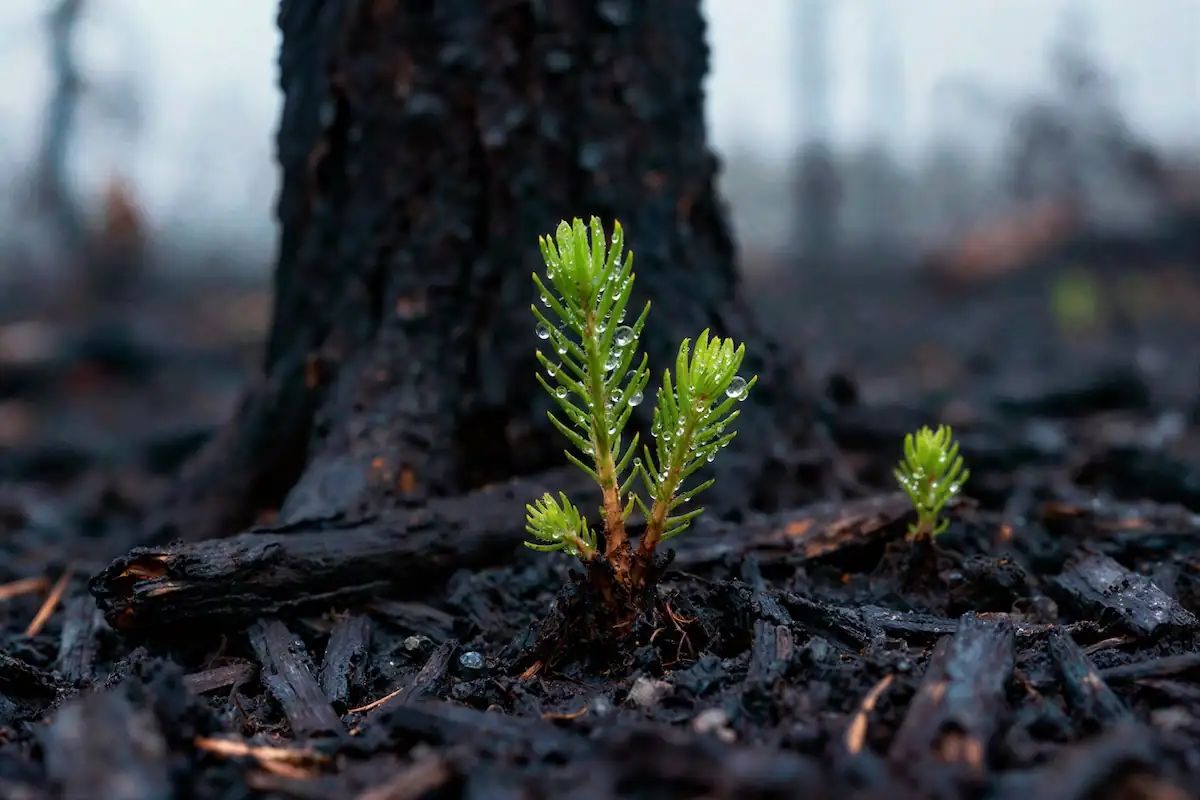
These projects are particularly relevant after the extreme events the region has experienced, but it is important to distinguish research from direct intervention. IMIDRA studies techniques that could be useful after fires, floods, or erosion; this does not mean that RECUPERA or Nano4Agro are already specifically restoring the plots affected by the recent fires in the Sierra Oeste.
The regional government is carrying out other actions directly related to those fires, such as the planned increase in native forest plants to restore the burned areas. In agriculture, the next step will be to see which treatments developed by researchers work best outside the laboratory and can be practically incorporated into the work of farmers and technicians.