
News
Living on Madrid’s outskirts will no longer be the same: the plan that aims to activate neighbourhood life
Madrid is preparing a shift that could change how its new neighbourhoods are lived in. The City Council wants to double density in south-eastern developments to move from dispersed, car-dependent areas to livelier spaces with services and street life. The change directly targets the daily routine of thousands of residents.
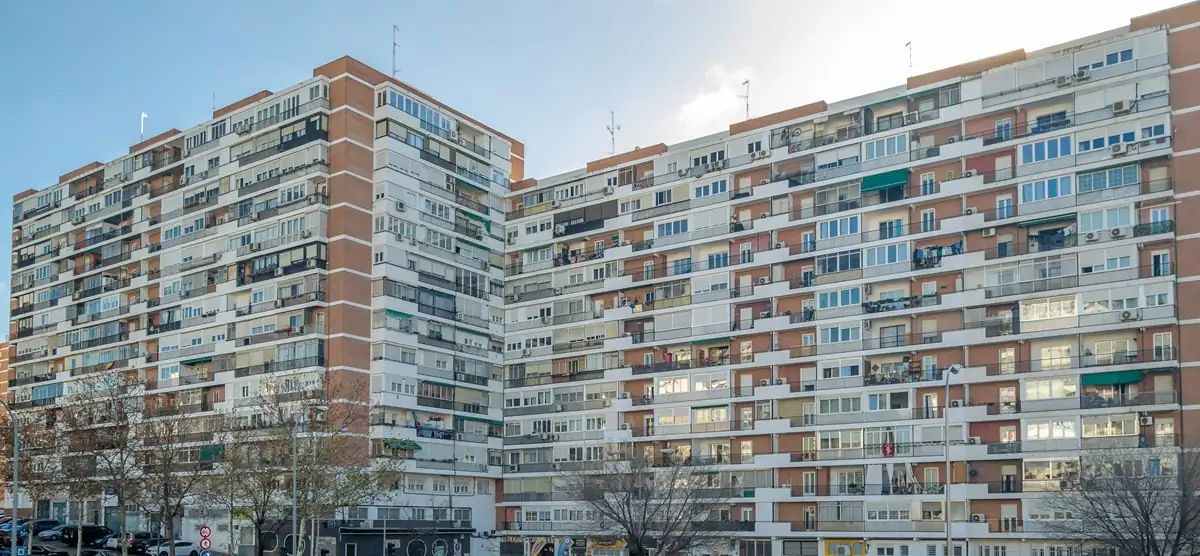
Anyone who lives in or has passed through the PAU recognises it straight away: wide streets, few shops, and a sense of isolation. New neighbourhoods where it’s hard to have a life beyond your own home. That model, planned for years, is now being questioned because it doesn’t quite work as a city.
Now the approach is different. More homes per hectare, a greater mix of uses, and more proximity. The idea is to have shops, services, and activity nearby, reducing the need to travel and making the neighbourhood work outside the home as well.
This shift isn’t just technical; it also responds to a real problem: a lack of affordable housing and pressure on the property market. Increasing density allows for more supply without further expanding the city, which is a concern both in terms of cost and sustainability.
But the change raises questions. If it isn’t accompanied by transport, facilities, and public spaces, densification could fall short. The risk is repeating past mistakes: blocks full of people, but with no life around them or not enough connection to the rest of Madrid.
What’s at stake goes beyond urban planning. This shift is redefining how the city will grow in the coming years and how its neighbourhoods will relate to each other. If it works, the outskirts will stop being just a place to sleep and become an active part of urban life.