
News
Madrid opens a weekend of books, neighbourhood festivities and outdoor culture
Madrid reaches the weekend with an agenda that forces you to choose. The city combines books, popular festivities, electronic music, open art studios, documentary cinema and urban sport, with plans spread across El Retiro, Aluche, Usera, Conde Duque and Caja Mágica. Not everything happens in the centre, and that is part of the appeal.
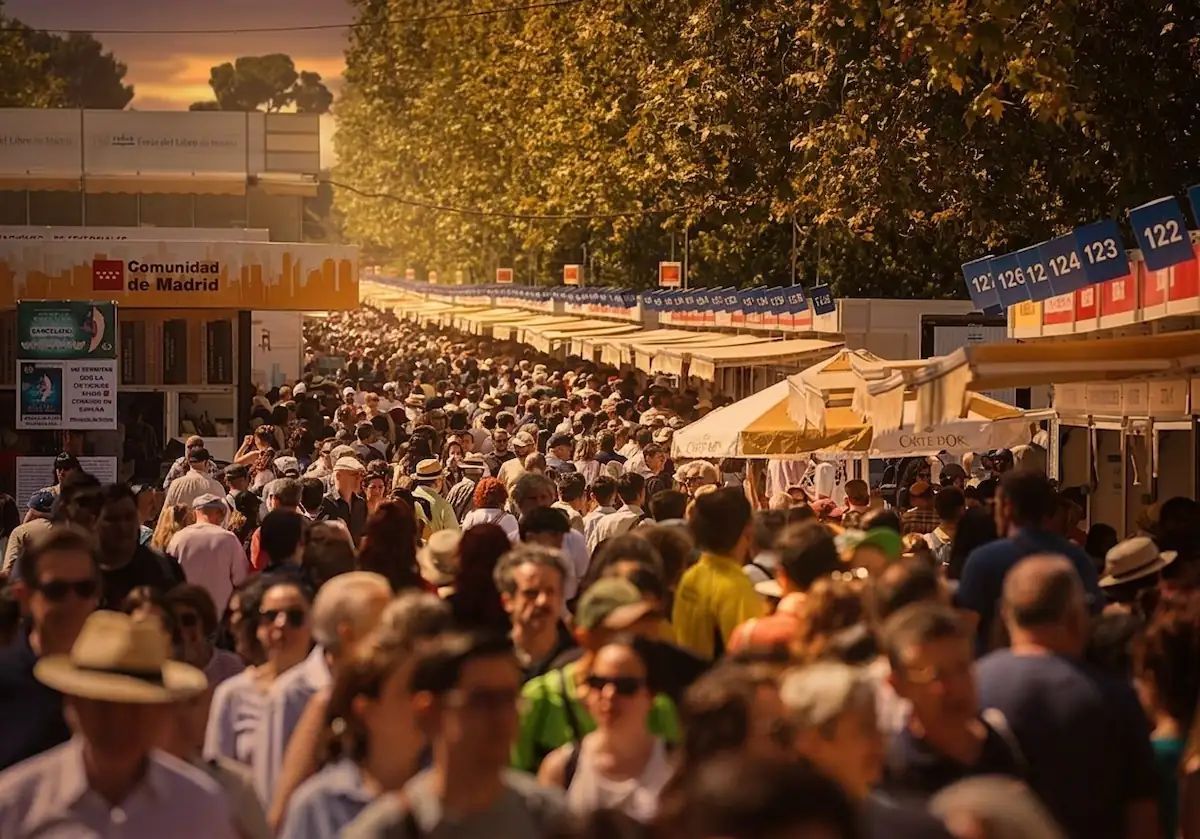
The major cultural event will be the 85th Feria del Libro de Madrid, returning to the Paseo de Coches in El Retiro from 29 May to 14 June. This year it will bring together 366 stalls and take humour as its central theme, with signings, conversations, live podcasts and a programme designed for regular readers, families and curious visitors who may simply come to stroll among the books.
In Latina, the atmosphere will be much more festive. The Fiestas de Aluche celebrate their 50th anniversary from 29 May to 7 June at the Parque de Aluche fairground, with free concerts, stalls, children’s activities, folklore and fireworks. Names on the line-up include Revólver, Funambulista, María del Monte, Jaime Urrutia and Anaut.
Electronic music will have its own focal point on Saturday at the Caja Mágica, with the first European edition of Sunsetstrip and Hernán Cattaneo’s only show of the year in Spain. The event starts in the afternoon and runs into the early hours, designed for those who prefer an outing that is less family-oriented and more about a long session on the dance floor.
Usera will open another door into the city, a smaller but very interesting one: that of artists’ studios. The open day will allow visitors to enter creative spaces that normally fall outside the usual circuit, getting closer to the work of local artists without the formal distance of an exhibition room.
At Conde Duque, CÚBIT. Ciencia + Arte enters its final days, running until 30 May with a programme focused on artificial intelligence and its impact on culture. Dance, theatre, ideas and workshops intersect in a festival that sees technology not as a mere novelty, but as something already changing the way we imagine, create and tell stories.
Sunday will also bring movement to the streets. The Madrid Vintage Run 2026 will revive its retro aesthetic with an urban route, while Plaza de Callao will be the starting point for Madrid Marcha, an international race walking event featuring top-level athletes. For anyone who does not want to sit in an auditorium or queue at a stall, the city also offers something to do in trainers.
Documentary cinema retains its place with Documenta Madrid, which once again brings national and international films focusing on new ways of looking at reality into circulation. It is a good alternative for those seeking a quieter outing, away from the noise of the festivities or the crowds in El Retiro.
What is interesting about these days is not just the number of things to do, but how they are spread out. Madrid does not concentrate all its energy in one place: it reads in El Retiro, dances in Aluche, experiments in Conde Duque, runs along its avenues and opens studios in Usera. That variety greatly improves life in the city, because it allows each neighbourhood to contribute something of its own and means leisure does not always depend on the same overcrowded centre. When culture, festivities and sport mix in this way, Madrid does more than entertain: it becomes more liveable, more curious and easier to rediscover.