
News
Madrid gives green light to 20 robotaxis: they will start operating before the end of the year
Madrid has just taken a decisive step towards driverless cars. The DGT has granted WeRide, Uber y AVOMO the first national authorisation to test level 4 autonomous cars on Spanish public roads, with an initial fleet of 20 vehicles set to be deployed in the region before the end of 2026.
This does not mean that from today you can order a fully autonomous taxi on the streets of the capital. The authorisation first opens a preparation phase in real traffic: the vehicles will need to map the areas where they will operate, validate routes, and check their functioning before they start carrying passengers commercially.
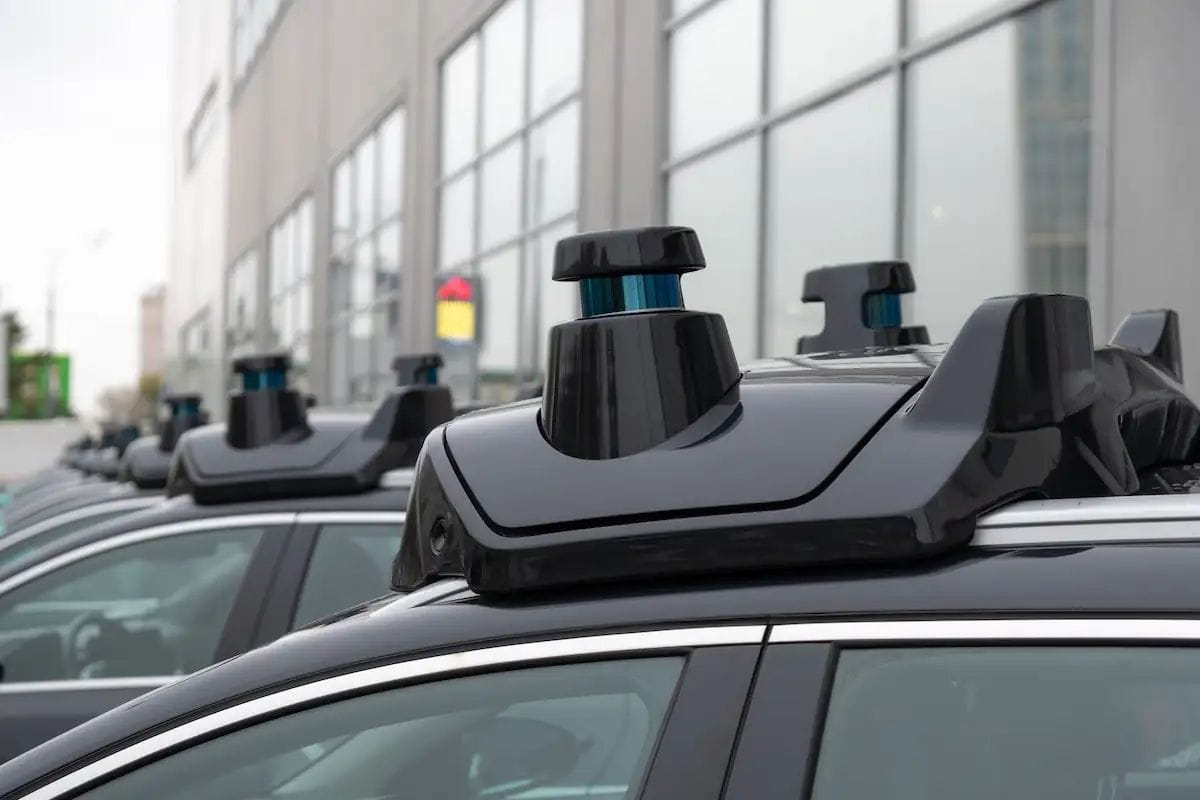
The first cars will be GXR models equipped with autonomous driving technology from the Chinese company WeRide. They will operate in various high-demand areas of Madrid and its surroundings and, at least during this initial phase, will have a specialist on board ready to intervene if necessary.
The system reaches what is known as level 4 automation. This allows the vehicle to handle driving by itself within certain predefined conditions and areas, without a person having to constantly control the steering wheel and pedals. However, it does not mean that the car can drive autonomously on any road or in any circumstance.
If the tests and pending procedures progress according to the announced schedule, the next step will come before the end of the year. Uber plans to add these vehicles to its app so users can request rides, while AVOMO will manage the fleet and WeRide will provide the autonomous system.
The Comunidad de Madrid expects the experimental project to be rolled out both in the capital and in Alcobendas. The companies have not yet published which specific neighbourhoods or streets will be included in the first service area, so it cannot yet be said where these vehicles will be available to request.
There will also not be any new taxi licences or VTC authorisations exclusively for the project. The regional plan is to use existing permits and to involve technology companies, fleet operators, VTC companies, and taxi representatives during an experimental phase initially planned to last two years.
The introduction of robotaxis will be gradual. The companies announced in June that their intention is to increase the number of vehicles as safety and performance targets are met, and later move towards services without a specialist inside the car. The long-term goal is for hundreds of autonomous vehicles to be integrated into Madrid's daily mobility.
For now, the most immediate change will be much more visible than practical for passengers: over the coming months, cars loaded with cameras and sensors will start to be seen driving around Madrid's streets to learn and validate their future routes. Only after that will the time come when they can be requested from a mobile phone like a conventional ride.