
News
Madrid defends park closures due to extreme heat despite residents' criticism
El Retiro has already closed ten times this year under the vegetation emergency protocol. Although it is activated only 1% of the time, 80% of branch falls occur during that period.
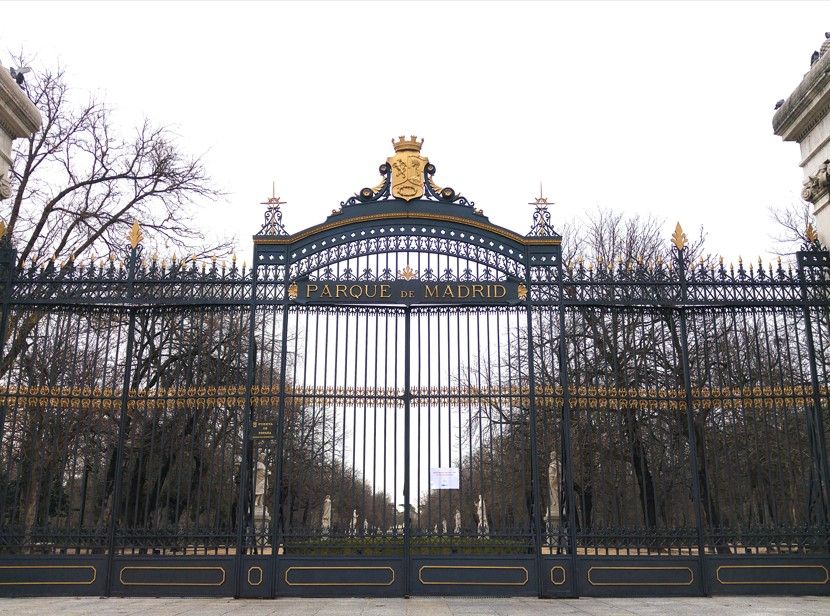
Madrid is in the midst of an increasingly heated debate: does it make sense to close parks when they are needed most? The City Council says it does, and backs this up with figures. According to its tree-management protocol, the moments of greatest risk of falling branches coincide with brief but intense episodes of heat and wind. That tiny window—barely 1% of the time—accounts for 80% of collapses, according to municipal data.
That is why parks as emblematic as El Retiro, El Capricho and Quinta de los Molinos have been locked up on as many as ten occasions since May. The measure, based on an AEMET weather-alert system and automated calculations, is not new: it was introduced in 2014 and tightened in 2019. However, every closure prompts fresh criticism, especially when the visible conditions (sunshine, calm, pleasant temperature) do not appear to justify the decision.
The most recent controversy erupted on 5 July, when El Retiro closed its entrances for hours. It was not a day of strong wind, but the algorithm determined an alert level and the measure was implemented. For many, that automatism is part of the problem. “Closing parks when they are needed most? It makes no sense,” some residents express on social media. Discontent is growing especially in central areas where trees have been replaced by awnings or unshaded paving, as in the refurbished Puerta del Sol.
Residents’ associations are calling for an urgent review of the protocol. They are asking for greater flexibility, partial opening of safe areas and, above all, more transparency. They want to know clearly when a park is closed, why, and how long the closure will last. Meanwhile, Mayor José Luis Martínez-Almeida is on paternity leave, temporarily removed from a debate that continues to attract public pressure.
In the midst of an increasingly hot city, the question persists: how can a balance be found between safety and urban liveability? The answer has not yet arrived, but summer is advancing, and the closures will continue.