
News
Madrid on the global radar: the new refuge for major international fortunes
The Times portrays the Spanish capital as a magnet for the world's ultra-rich. With tax changes, luxury hotels and transformed neighbourhoods, ‘old Madrid’ is giving way to a city of elites.
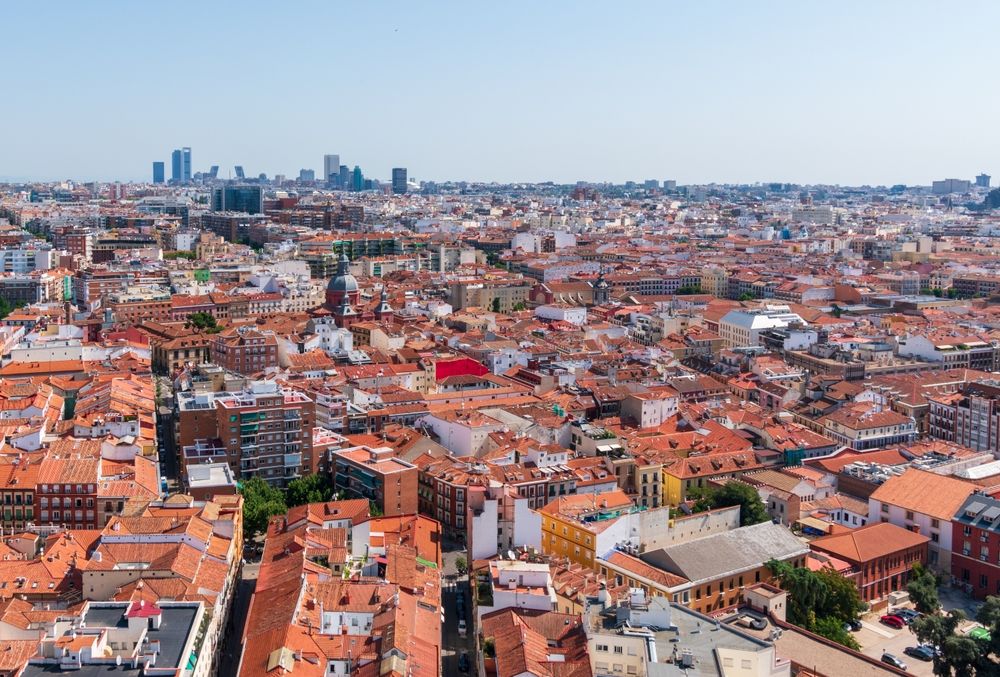
Madrid is no longer just flamenco, tapas and historic squares. According to the British newspaper The Times, the Spanish capital is rapidly becoming one of the favourite destinations of the global super-rich. In a recent article entitled «Goodbye to Old Madrid», the newspaper describes how great fortunes, especially from Latin America, the United States, Russia and Asia, are remaking the city to suit themselves. The phenomenon goes beyond a tourism boom. The massive arrival of residents with multimillion fortunes has transformed the character of areas such as Salamanca, Chamberí and the historic centre. Michelin-starred restaurants, private clubs and flats costing more than two million euros are now part of the everyday landscape. At the same time, hotels such as the Four Seasons, the Mandarin Oriental and the renovated Palace have raised the standard of hospitality in Madrid, in a determined effort to attract a high-end clientele. According to the British outlet, there are weighty reasons behind this shift. Madrid offers security, a stable climate, an active social life and especially favourable taxation. Since January 2025, the so-called “Mbappé law” has allowed new non-Spanish residents to deduct 20% of IRPF. Added to this is the full rebate on wealth tax in the Comunidad de Madrid, making the city a fiscally attractive option compared with other European capitals. However, this transformation also has a local cost. The property boom has pushed sale and rental prices to levels beyond the reach of most people from Madrid, especially young people. In the Salamanca district, 17% of new residents already come from wealthy Latin American families. Since 2014, at least 26 buildings in the centre have been converted into luxury hotels, displacing part of the traditional residential fabric. Neighbourhood protests have not been long in coming. Between growing luxury and social tensions, Madrid is at a turning point. Is this the inevitable price of becoming a global city? For many, the answer is still being shaped. What is certain is that “old Madrid” is being left behind, and a new one, full of contrasts, is making its way.