
News
Madrid launches urgent aid for livestock affected by the fires
The Comunidad de Madrid has launched an urgent operation to deliver food and water to livestock farms affected by the fires in the Sierra Oeste. The measure aims to provide immediate assistance to around 1,000 animals and prevent the emergency from worsening on farms that have been impacted for days by the fire and restricted access.
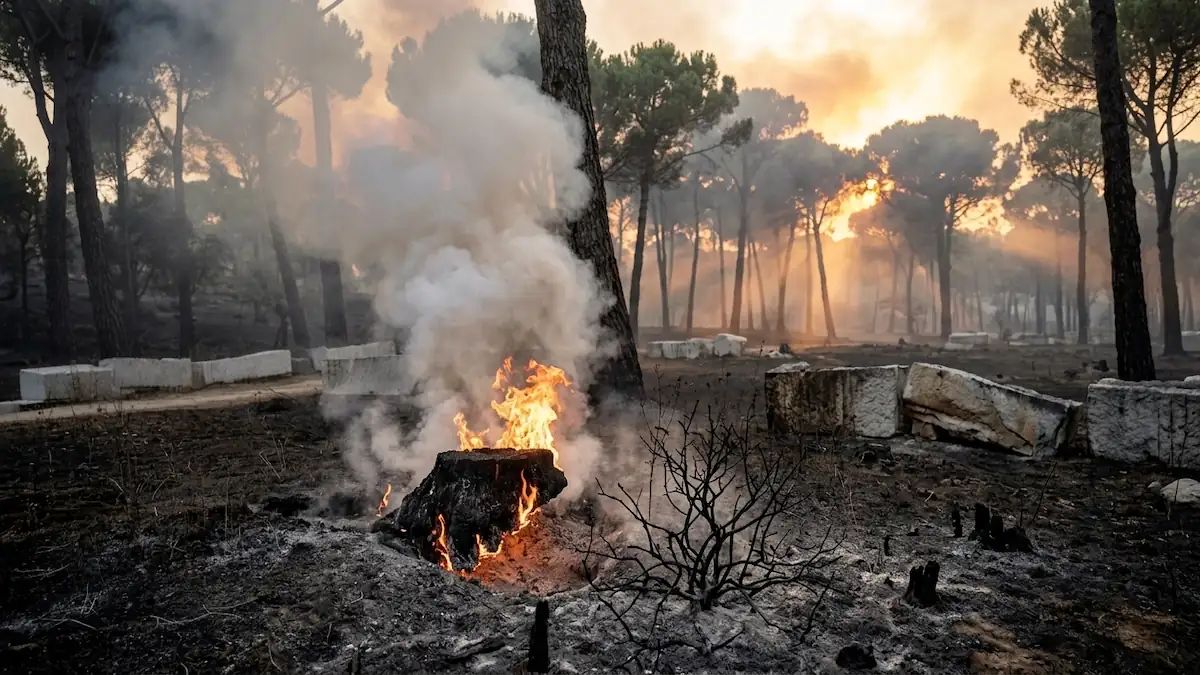
The operation includes 300,000 kilos of fodder and ten 1,000-litre water tanks, ready to be distributed as soon as conditions allow safe access to the farms. Cows, sheep, goats, and horses are among the animals that depend on this aid.
So far, fourteen livestock farms have requested support. Distribution will be carried out using twenty trailers, in coordination with emergency services and the managers of each farm, to avoid unnecessary travel and ensure that aid reaches the most affected areas first.
Access to the farms has been reopened in a controlled manner, provided there is no risk from the flames. Owners and workers must prove their connection to the farm with documents such as the livestock card, registration in the REGA, or the PAC application.
The documentation requirement aims to prevent theft, unauthorised access, and impersonation in areas still under restrictions. Many farmers need to enter to feed the animals, check facilities, or see if the animals have been harmed, but every movement must be coordinated with the operation.
Some of the animals have been moved to the Centro Integral de Acogida de Animales, while animal welfare groups and local organisations are helping care for pets and affected wildlife. The emergency does not end at the homes: it has also hit stables, pens, pastures, and small family farms.
The regional plan also includes repairing more than 100 kilometres of damaged roads. Restoring these routes will be essential to resume the transport of feed, water, machinery, and agricultural products in an area where many farms rely on secondary roads.
The Sierra Oeste accounts for around 13% of the region’s agricultural land. The fire has put a significant part of this activity at risk and has left entire villages waiting to see when they can return to normal.
The situation now looks very different from usual: trailers loaded with fodder, checkpoints on rural roads, and farmers trying to return to their farms without interfering with firefighting efforts. The immediate priority is to keep the animals alive and prevent damage to the countryside from lasting long after the flames are gone.