
News
Madrid does not know what to do with the 24 tonnes of volcanic sand donated by La Palma
Sand from the Tajogaite volcano that covered Callao during Canary Islands Day remains in storage with no defined use. The initiative, intended to strengthen ties between the islands and the capital, has ended up surrounded by uncertainty.
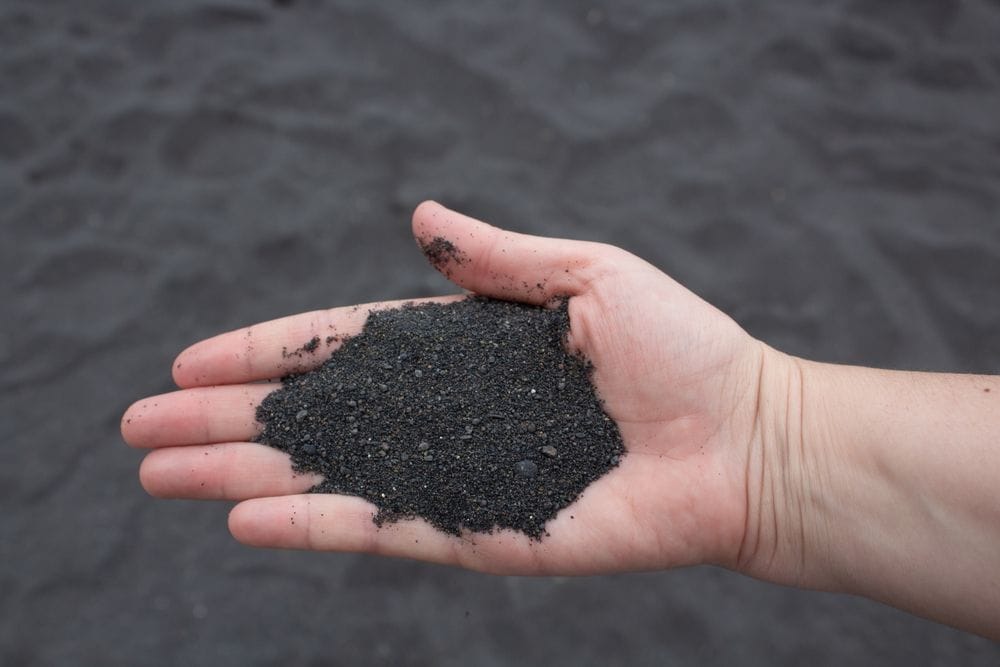
On 17 May, Plaza de Callao in Madrid was transformed for a day into a Canarian wrestling arena, thanks to the 24 tonnes of volcanic sand that the island of La Palma symbolically donated to the City Council. The event formed part of the Día de Canarias celebrations and brought together institutional representatives and athletes to pay tribute to the islands' traditions. However, once the staging was dismantled, the sand was left without a purpose. Although using it in sports facilities such as beach volleyball courts was initially considered, municipal technical staff ruled out that possibility after finding that its temperature in the sun was too high for safe use in outdoor activities.
Since then, the load has remained stored in an industrial warehouse in Torrelodones, with no clear destination. Madrid City Council's Environment department is studying possible ecological or landscaping uses for the material, but so far no agreement has been reached and no concrete road map has been drawn up. Meanwhile, the cost of storage continues to be borne by the logistics company that handled the transport, and unease is growing on both sides of the Atlantic. What began as a gesture of solidarity and sustainability has ended up exposing a lack of institutional planning and leaving a gift laden with symbolism without a use. For the people of La Palma, still marked by the 2021 eruption, volcanic sand is more than waste: it is memory, identity and hope for transformation. That is why its temporary abandonment causes more than confusion; it arouses disappointment.
The challenge now is to find a use that honours that intention. A solution that turns the sand into something more than a forgotten material and finally transforms it into the cultural bridge it was intended to be.