
News
Madrid offers 40 personnel and rescue dogs to help in Venezuela
The Community of Madrid has offered to send a specialist emergency team to collaborate in rescue work after the earthquakes recorded in Venezuela. The unit is made up of 40 members of ERICAM, the regional Emergency and Immediate Response Team.
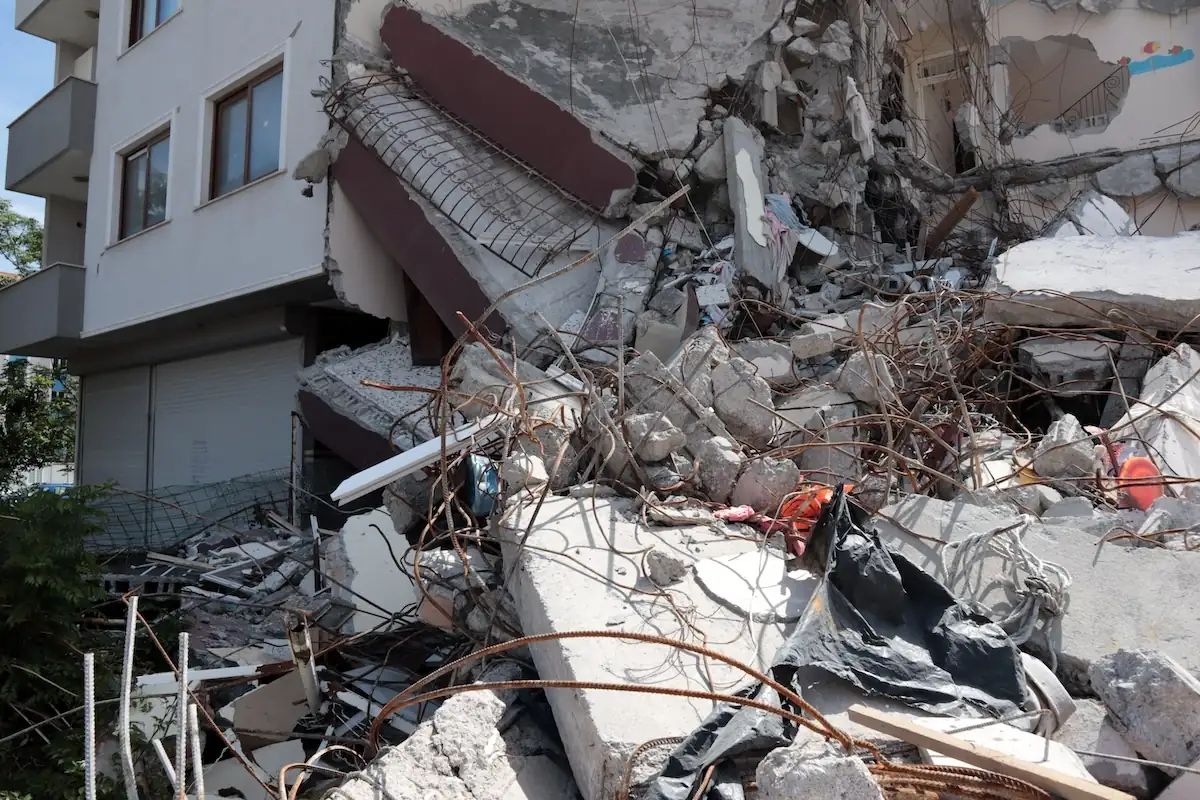
The contingent includes firefighters specialising in rescue from collapsed structures, SUMMA 112 healthcare professionals and four canine units for locating victims. It is a team prepared to intervene in disaster scenarios, especially when there are collapsed buildings and people trapped under rubble.
The regional president, Isabel Díaz Ayuso, has announced that Madrid is placing this deployment at the disposal of the Ministry of the Interior. Its deployment will now depend on the Government of Spain activating the necessary military transport within the European civil protection mechanism or through direct coordination with the Venezuelan authorities.
The offer comes after the powerful earthquakes that have shaken Venezuela and left fatalities, injured people and material damage in different areas of the country. In the first hours after a major earthquake, the search for survivors becomes a race against time.
ERICAM is designed precisely for this type of situation. Its teams can work in areas that are difficult to access, assess damaged structures, locate trapped people and coordinate with other national and international emergency services.
Search dogs are a key part of this type of operation. Their ability to detect human presence beneath ruins or among collapsed materials makes it possible to gain decisive minutes when every intervention can make the difference between finding a person alive or arriving too late.
The possible departure of the Madrid team would form part of the Spanish and European response to the emergency. Spain is also preparing to send other rescue teams and humanitarian aid, while different administrations have offered resources to support Venezuela in the most urgent tasks.
For Madrid, the deployment would mean another international intervention by its emergency services. These teams do not only operate within the region; they can also be mobilised in major disasters when trained personnel, specific equipment and experience in extreme scenarios are required.
The aid comes at a particularly delicate time for the Venezuelan population. Beyond the damage figures, an earthquake leaves entire neighbourhoods paralysed, families searching for missing people and basic services under pressure. In that context, every rescue team adds capacity, hope and time.
The Madrid deployment is now pending final activation. If the deployment is authorised, the 40 personnel will travel with a very specific mission: to locate victims, support teams on the ground and help respond to an emergency that has already mobilised solidarity from different parts of Spain.