
News
Madrid prepares aid to restore farms devastated by fires
The Community of Madrid is preparing new aid for farmers and livestock breeders affected by fires in the Sierra Oeste. The package will include compensation for losses, repair of facilities and machinery, and a system to advance CAP aid without producers having to bear the interest.
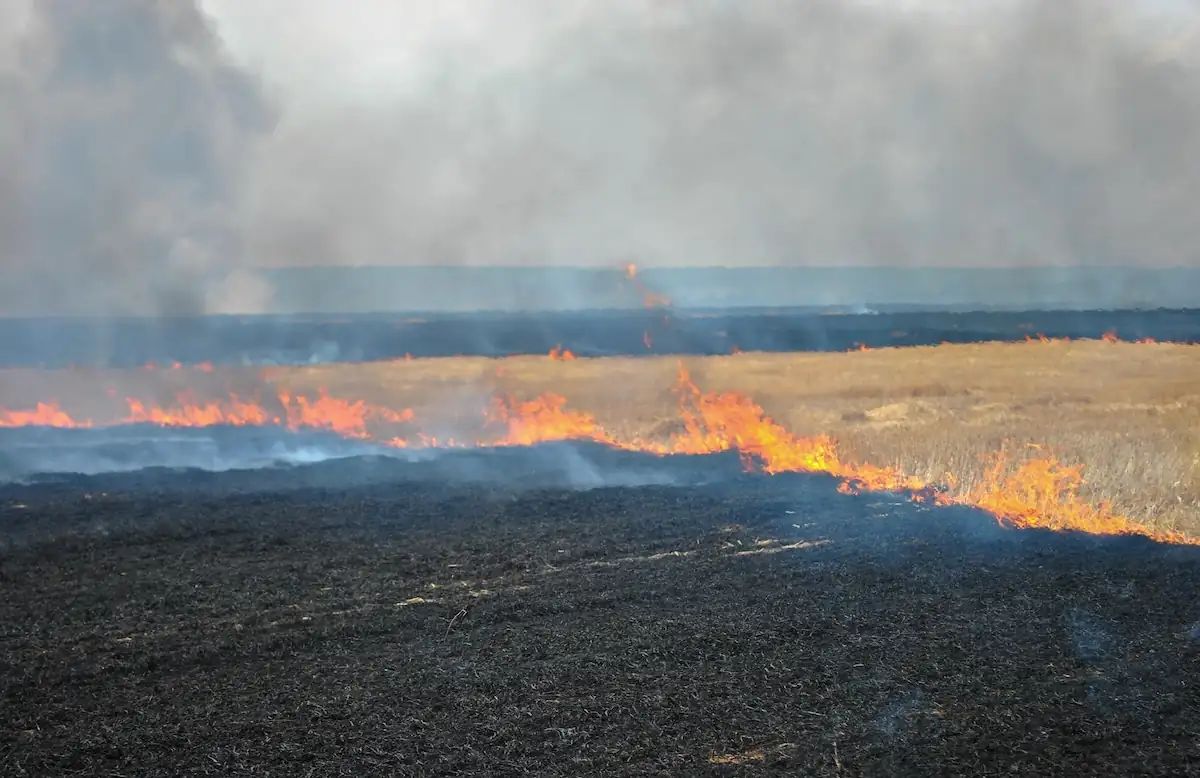
One of the main measures will be an extraordinary call intended to restore damaged holdings. The aid will cover losses in agricultural and livestock production, damage to facilities and machinery, and the corresponding compensation for animals that have died as a result of the fire.
The regional government is also negotiating with financial institutions a mechanism to advance Common Agricultural Policy payments to those affected. Banks will advance these payments and the Comunidad de Madrid will bear the interest on the operations for holdings located in the affected municipalities.
The measures will also reach vineyards and other traditional crops. IMIDRA will launch a programme to restore affected plantings, preserve traditional grapevine varieties and encourage new plantings of species adapted to the area. There will also be actions to replace native breeds and to study, in the long term, the evolution of burned soils and crops.
The Comunidad will also make certain procedures more flexible so that the fires do not cause the loss of aid already granted. Force majeure will be recognised in certain 2026 CAP eco-schemes, in aid linked to calf fattening and in some 2027 calls, as well as extending deadlines related to investment and modernisation of holdings.
Part of the response is already under way. The regional executive has activated an initial emergency contract worth one million euros to distribute water and feed to livestock, repair rural roads and infrastructure, and guarantee veterinary assistance. So far, 81 livestock farms with 9,835 registered animals have reported some form of damage.
The recovery of the countryside will be one of the longest processes after the fires. In addition to rebuilding facilities, many holdings will have to face months without sufficient pasture, replace animals and restore permanent crops such as vineyards. The new aid seeks to ensure that farmers and livestock keepers can maintain their activity while Sierra Oeste progressively rebuilds its rural fabric.