
News
Madrid prepares a whole year to rediscover the Generation of ’27
Madrid is already gearing up for a highly literary 2027. The City Council has prepared a special programme for the centenary of the Generation of ’27, with more than one hundred activities spread across theatres, museums, libraries, cultural centres and less predictable spaces in the city. Investment will be around three million euros.
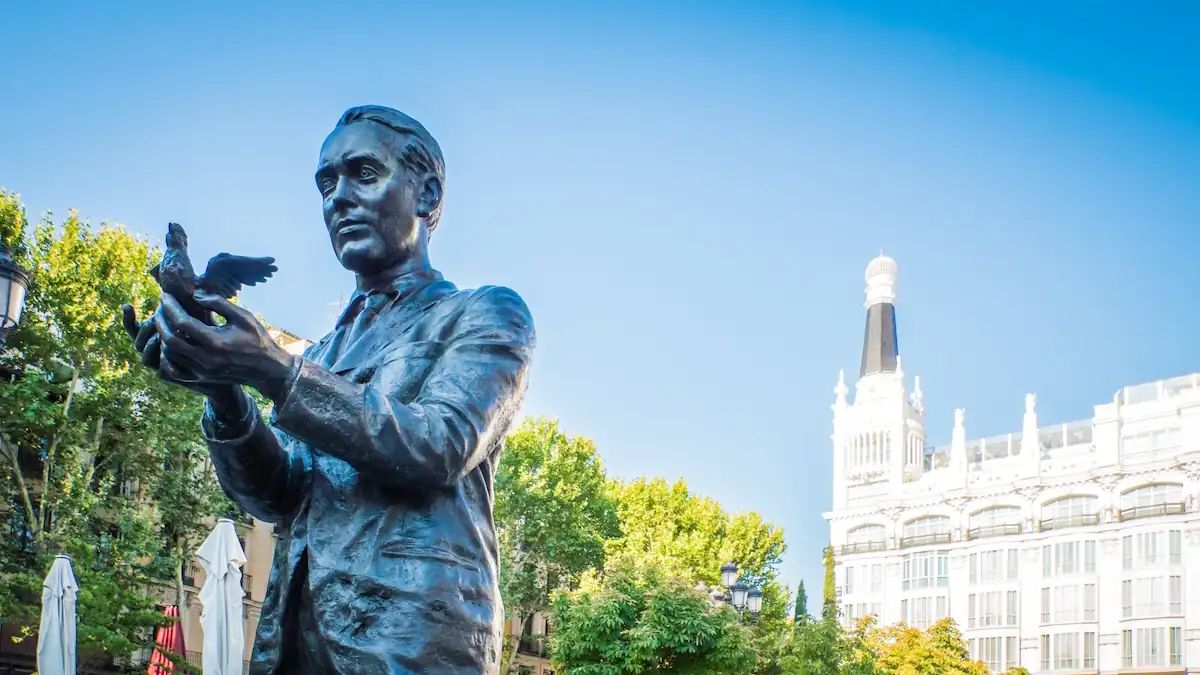
The celebration recalls the 1927 gathering at the Ateneo de Sevilla, when a group of young writers came together to pay tribute to Luis de Góngora on the third centenary of his death. From that impulse emerged some of the most decisive names in twentieth-century Spanish culture: Federico García Lorca, Rafael Alberti, Luis Cernuda, María Teresa León, María Zambrano, Concha Méndez, Luis Buñuel and Salvador Dalí, among others.
Theatre will carry enormous weight. The Fernán Gómez. Centro Cultural de la Villa will programme productions such as La profanación de Don Juan. Delirio de Buñuel, Dalí y Lorca and Doña Jimena Díaz de Vivar, gran señora de todos los deberes, by María Teresa de León. Teatro Español will focus on Lorca with Yerma, La casa de Bernarda Alba and Bodas de sangre, as well as reviving texts by women authors linked to the 27.
Matadero Madrid will be another of the main venues. Nave 10 will open January with 27 Generation Tour and in May Poemas para un cuerpo will arrive, a piece by Antonio Ruz and Alberto Conejero inspired by verses by Luis Cernuda. There will also be flamenco, contemporary dance and stage proposals that seek to take the 27 out of the format of a solemn tribute and into more contemporary languages.
Cinema will have its own strand. Cineteca Madrid will dedicate seasons to these authors' relationship with the screen, including titles such as Viaje a la luna, inspired by García Lorca's screenplay, or films linked to Alberti, Bergamín and Altolaguirre. The Institut Français and the Instituto Cultural de México will join in with a season dedicated to Buñuel in March.
Municipal museums are also included in the programme. The Museo de Historia de Madrid, the Museo de Arte Contemporáneo, the Palacio de El Capricho and the Imprenta Municipal-Artes del Libro are preparing their own exhibitions and activities. The Palacio de Liria will display first editions by some key authors, a way of approaching the 27 not only through stages, but also through books as objects of their time.
The most local part will be in libraries. There will be recitals, reading clubs, workshops, thematic guides and ‘27 Reading Corners’ throughout the year. A special programme will also be devoted to Las Sinsombrero, the women creators who for a long time were left out of the generation's main narrative.
Madrid has a very direct relationship with the 27. Many of those authors passed through its cafés, residences, theatres, printing houses and literary gatherings. That is why the centenary is conceived not only as a look at the past, but as a way of occupying the city again with their voices. Not to put them in a display case and close the matter, but to see what remains of them when their poems, films and works circulate through neighbourhoods again.