
News
Madrid resumes winter time and gains an extra hour of rest
The last weekend of October brings an extra hour of sleep. Winter time brings earlier sunsets in Madrid. The city adapts its plans and customs to the new light.
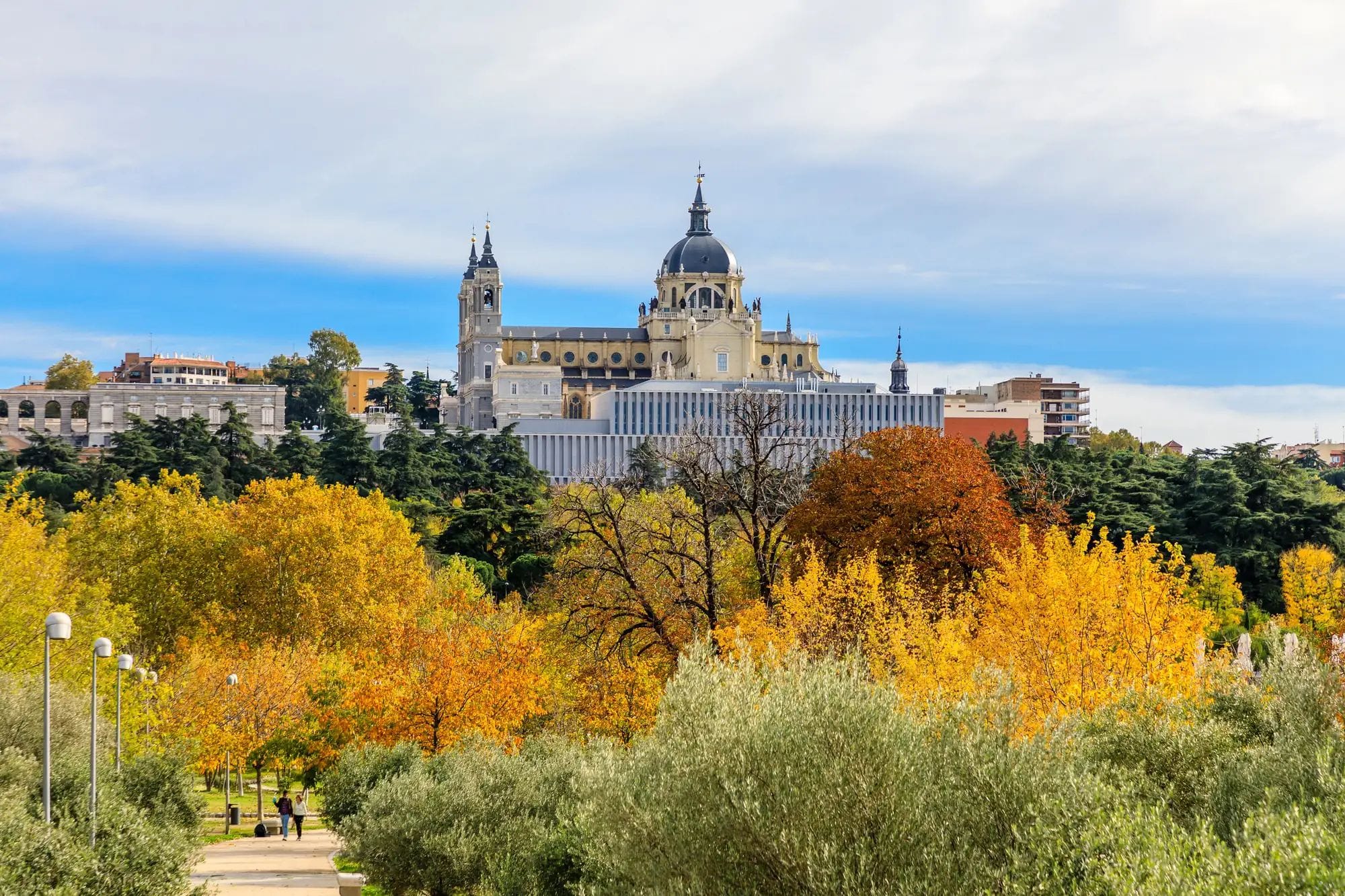
The clock will set the pace of Madrid in the early hours of Sunday, 25 October 2026. When it reaches 3:00, it will go back to 2:00. This small, almost invisible gesture means an extra hour of rest and an immediate change in the city’s daily life.
The adjustment doesn’t just affect sleep. From Monday, early risers will have more daylight, but afternoons will suddenly become shorter. Nightfall will come earlier and outdoor plans will have to adapt. Walks, sports, and school pick-ups will be brought forward to make the most of the last light of the day.
The last weekend of October in Madrid is always a turning point. It coincides with the run-up to Halloween, the first Christmas lights in shop windows, and the temptation to escape to the mountains. It’s the time to check coats, adjust routines, and make the most of that longer Sunday the time change brings.
In the Peninsula, Baleares, Ceuta y Melilla, the change happens at 3:00, which becomes 2:00. In the Canary Islands, it’s an hour earlier: at 2:00, the clock goes back to 1:00. The hour between 2:00 and 3:00 is repeated, a detail only noticed by night owls or early risers.
Winter time makes early morning travel easier, but means the afternoon has to be reorganised. Madrid is already moving in that direction: more indoor plans, busy cafés, and a cultural calendar that adapts to the rhythm of the new season.
The debate about scrapping the time change is still open in the European Union, but for now there’s no agreement. Spain will keep the October 2026 adjustment and, unless there’s a surprise, will move the clocks forward again in spring 2027. Until there’s a consensus, the city will keep dancing to the beat of this seasonal ritual.
The time change in Madrid is much more than a technical matter. It marks the start of a new phase in the city, where light and temperature shape urban life. Neighbourhoods are transformed: terraces lose their appeal, parks empty out earlier, and afternoon plans move to cinemas, theatres, and bars. It’s a phenomenon that each year redefines the pulse of the capital and signals the arrival of winter in the streets.