
News
Madrid renews its invisible infrastructure with more than 40 million
Madrid will invest more than 40 million euros in a part of the city that almost never appears in photographs but supports much of daily life. The City Council will reinforce underground utility galleries and maintenance of urban furniture, two discreet elements directly affecting safety, mobility and use of streets and squares.
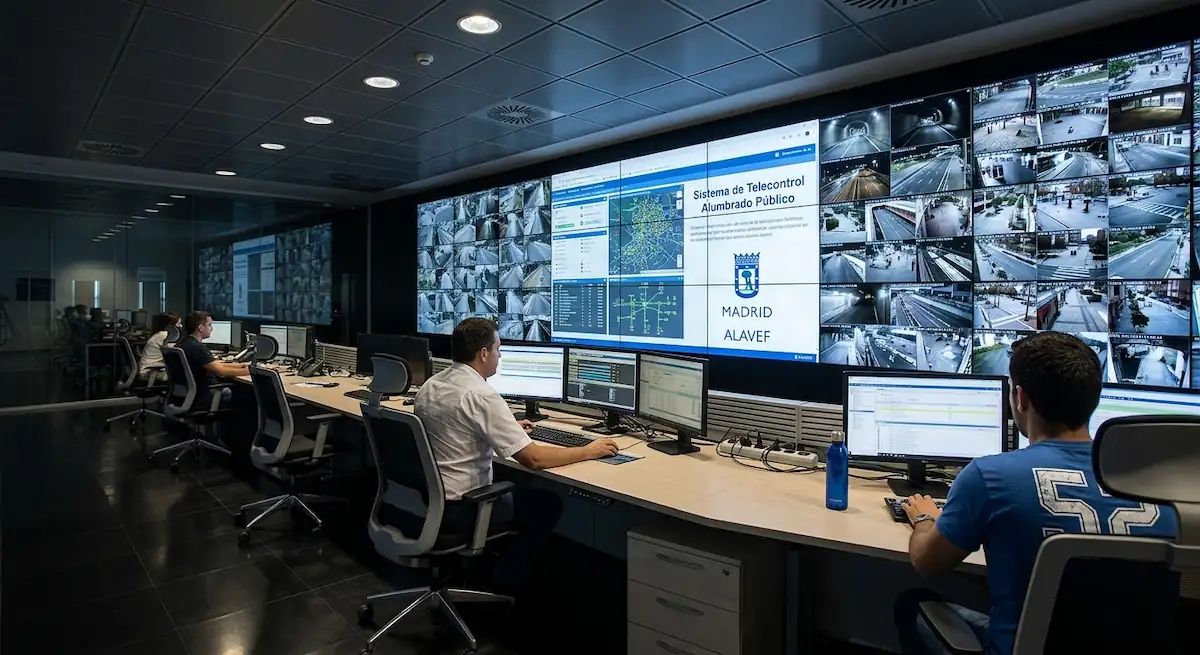
The first allocation, of 3.7 million euros, will be used through 2027 for the maintenance of the 170 kilometres of service galleries running beneath Madrid. These tunnels carry essential networks for electricity, drinking water, telecommunications, and fibre optics, preventing many interventions on the surface.
These galleries allow repairs or inspections to be carried out without having to dig up streets every time there is an incident. For residents, this means fewer open worksites, fewer closures, and a city that can keep running even though much of the technical work happens underground.
The system is managed from the Centro de Control de Instalaciones Urbanas, located in Azca. From there, the state of these infrastructures is monitored using sensors, cameras, and real-time surveillance systems designed to detect risks before they become major problems.
Since 2022, Madrid has been upgrading the technology in these galleries with cameras at entrances, fire and gas detectors, new signalling systems, lighting, and emergency exits. Access for technical staff has also been improved, a key part of enabling faster and safer interventions.
The underground network will also expand by another 20 kilometres to serve future urban developments. This shows how the city’s growth depends not only on new homes, offices, or streets, but also on the hidden infrastructure that brings light, water, and communications to those neighbourhoods.
The second major investment focuses on the surface. The Ayuntamiento will allocate 39 million euros to maintaining urban furniture: benches, railings, fences, pergolas, and other elements that are part of Madrid’s everyday landscape, even if they often go unnoticed unless they are broken, dirty, or out of place.
The contract will include a digital, geo-referenced inventory to track the location and condition of each item. The idea is to move from a management system based only on reports or incidents to a more preventive approach, with regular inspections and teams ready to act before deterioration affects the use of public spaces.
There will also be a 24-hour emergency phone line for incidents involving urban furniture. In such a busy city, a damaged railing, a loose fence, or a broken bench might seem like minor details, but they affect accessibility, safety, and comfort for thousands of people.
This investment is about a side of Madrid that is less eye-catching than major construction projects, but just as important. A city also works because of what you don’t see: tunnels that prevent trenches, sensors that anticipate failures, benches to rest on, and railings that make walking easier. Taking care of this everyday infrastructure is another way to measure urban quality.