
News
Madrid achieves historic lows in NO₂ pollution
Madrid is breathing cleaner air today than it did a few years ago. Data from the first five months of 2026 show a very marked fall in nitrogen dioxide, the pollutant most closely linked to urban traffic, reaching levels almost 50% lower than in 2019.
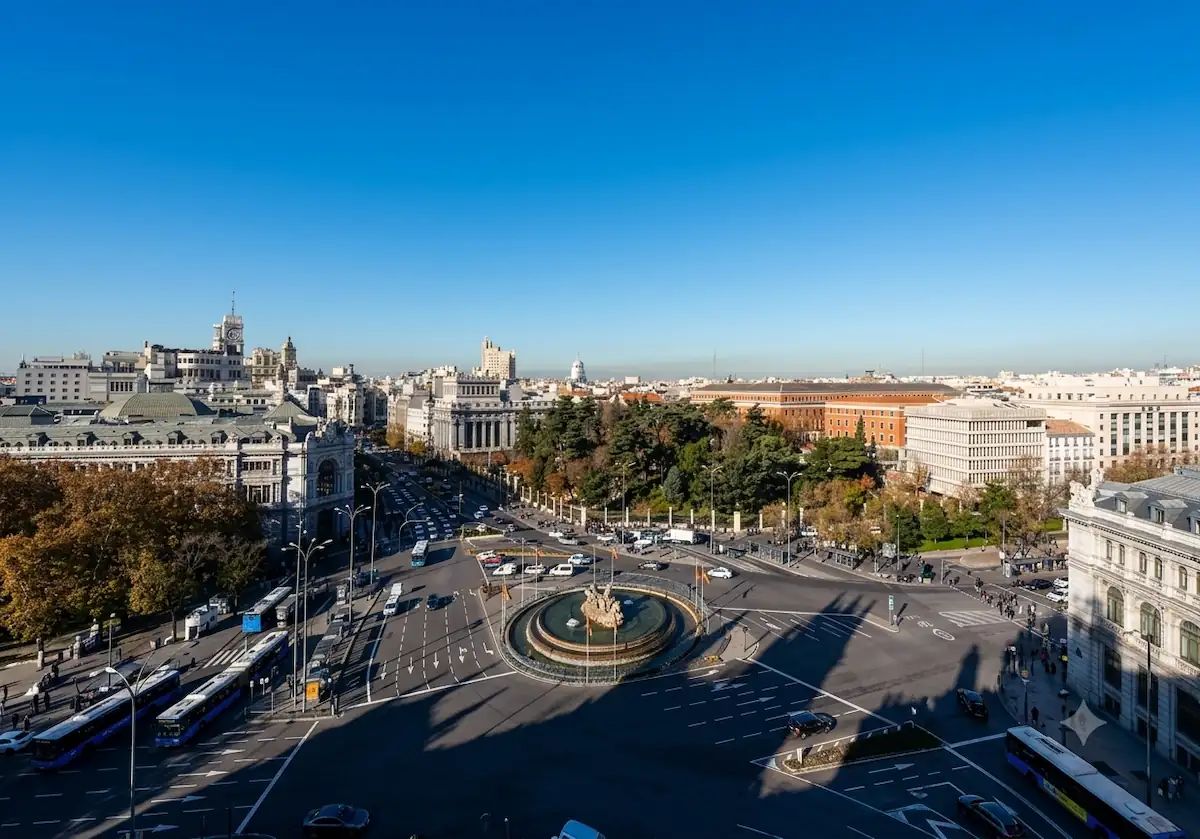
The change is particularly noticeable in the municipal monitoring network. Eleven of the 24 stations already meet the limit of 20 micrograms per cubic metre that the European Union will require from 2030, a threshold stricter than the current one and which for years seemed very difficult to reach in a city so dependent on cars.
No station now exceeds 30 micrograms in the cumulative total from January to May. Areas such as Villaverde, Retiro, Plaza de Castilla and Casa de Campo are already below the future European limit, a sign that the improvement is not concentrated only in peripheral or green areas.
Madrid has also spent five consecutive years complying with the European air-quality directive. It is an important turnaround for a city that between 2010 and 2021 repeatedly exceeded NO₂ limits and experienced particularly critical episodes, with 2017 among the most difficult years.
The reduction is not explained by a single measure. The disappearance of coal boilers, the low-emission zone, fleet renewal and incentives under the Cambia 360 plan have all pushed the city towards less-polluting mobility. Since 2020, this aid has mobilised almost 141 million euros.
Public transport has also gained weight in this transformation. EMT eliminated diesel buses in 2022 and is moving towards an increasingly electrified fleet. The Líneas Cero, free throughout the year, have helped reinforce the role of buses on short journeys and in central areas.
Electric bicycles also occupy more space in daily mobility. Bicimad now has 635 stations and nearly 8,000 bicycles, a network that allows people to travel through many neighbourhoods without resorting to a car. On days of major events, such as the visit of Pope Leo XIV, the service reached record usage figures.
Improved air does not mean the problem is solved. Madrid still has outstanding challenges in traffic, noise, urban heat and inequality between neighbourhoods. But the data show that the city has left behind some of its worst pollution records and is approaching the new European limits earlier than expected.
For residents, the change translates into something very concrete: streets with fewer emissions, cleaner buses, more ways to get around without a car and less pressure on respiratory health. Air quality is no longer merely an environmental statistic; it is an increasingly visible part of daily life in Madrid.