
News
Madrid prepares for heavy rain and a sharp drop in temperatures
The weather is changing in Madrid. Heavy rain and storms will mark the weekend. Temperatures will drop by up to five degrees. Conditions will be colder and the snowline is falling. The city adjusts its rhythm in the face of instability.
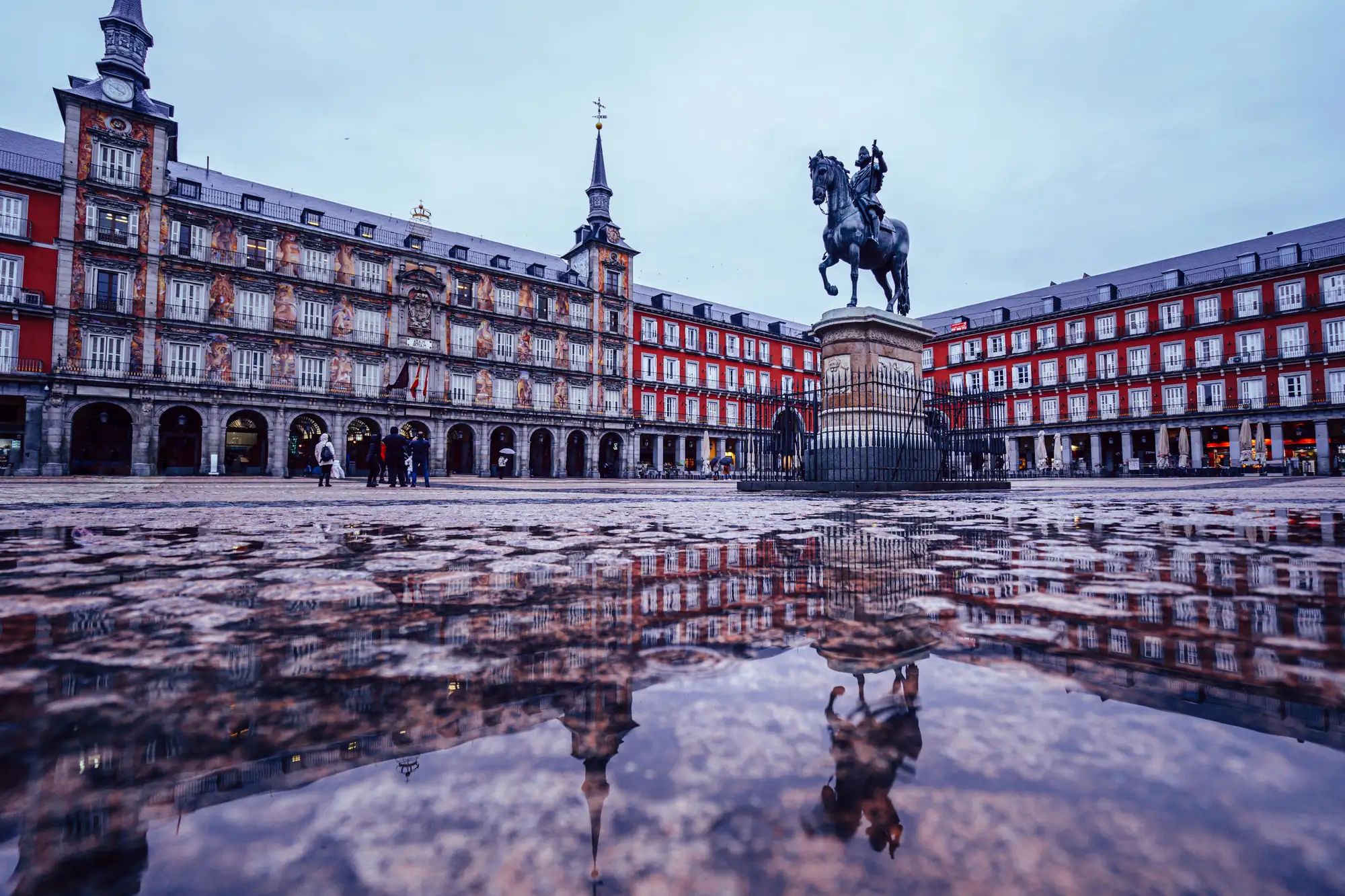
The weather in Madrid takes an unexpected turn just before the weekend. The State Meteorological Agency (Aemet) has warned of the arrival of heavy rain and storms that will affect the capital in the coming hours. This change will affect daily routines, travel and outdoor plans, especially for those who were planning to make the most of the first days of March.
Storm Regina is departing, but a new DANA is maintaining instability in the centre of the peninsula. From Friday morning, Madrid’s skies are overcast and rain is making itself felt in different neighbourhoods, more intensely during the afternoon. Aemet forecasts that showers will be frequent and, in some places, accompanied by local storms. The drop in temperatures will be evident: thermometers will show up to five degrees less than in previous days, although minimum temperatures will remain at usual values for the season, between 8 and 13 degrees.
The colder conditions will also be reflected in the mountains, where the snow line will fall from 1,800 to 1,500 metres, allowing precipitation to turn to snow in the highest areas. For those planning mountain getaways, it is advisable to take into account the possibility of morning and evening fog, as well as light frosts on the peaks.
Over the weekend, the forecast points to cloudy intervals and intermittent rain, especially in the Sierra and in the final hours of the day. Temperatures will remain somewhat low, with the snow line fluctuating between 1,400 and 1,600 metres. On Monday, the situation will barely vary: overcast skies, occasional rain and cold conditions, with highs around 10 degrees and lows that could fall below 5 even in the city centre.
Aemet, based in Madrid, is the reference for understanding how the weather evolves in the city. Its warnings make it possible to anticipate sudden changes and adapt urban life to meteorological conditions. In weeks like this, its work is key for those who depend on public transport, organise outdoor activities or simply want to avoid surprises in their day-to-day lives. Madrid is already beginning to move in that direction, adjusting its rhythm to the beat of the clouds.