
News
Cercanías Madrid will reinforce service with 2 million extra places during the papal visit
Madrid is preparing for one of the most crowded weekends of recent years. Pope Leo XIV’s visit, scheduled for 6 to 9 June, will bring together hundreds of thousands of people and require reinforced transport, security and mobility across the city.
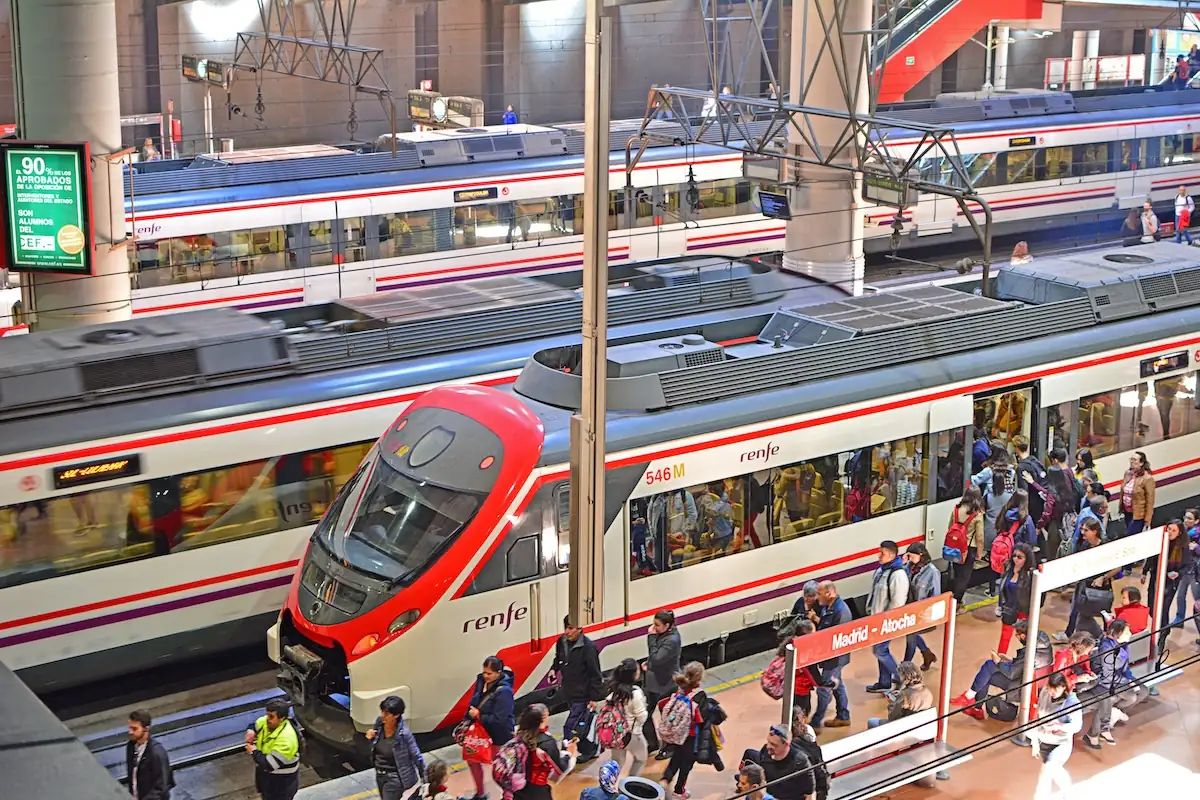
The impact will begin to be felt especially on Cercanías. Renfe will add around two million extra seats and run some 2,000 additional trains to absorb the arrival of pilgrims and visitors. There will be double-unit trains, more frequent services and units prepared as a reserve to respond to possible peaks in demand.
The expectation is that the most delicate moment will come over the weekend. On Saturday night, the planned vigil around Santiago Bernabéu and Plaza de Lima could bring together some 500,000 people. A day later, the major mass in Cibeles aims to gather nearly one million attendees in the heart of Madrid.
The reinforcement will not affect Cercanías alone. Medium-distance services will also be expanded and there will be special discounts on AVE and long-distance trains to facilitate travel from other Spanish cities. Authorities expect a constant flow of travellers from Friday to Monday.
In terms of security, the operation will be exceptional. The Government plans to deploy thousands of officers and around 200 additional guards at stations and on trains. The final operation will be settled after the Security Board scheduled for 25 May, although the Government Delegation already acknowledges that it will be the largest deployment organised in Madrid to date for an event of this type.
Beyond the religious events, the visit will transform the city's usual pace. There will be access controls, occasional traffic closures and extra pressure on the Metro, buses and central stations. Areas such as Sol, Cibeles, Chamartín and Nuevos Ministerios will concentrate much of the movement during those days.
Madrid has already seen large mobilisations during previous papal visits, but the current context multiplies the logistical challenge. The city will have to combine mass celebrations, tourism, daily mobility and security at the very beginning of June, one of the periods with the most activity of the year in the capital.