
News
From Gran Poder to Medinaceli: Madrid Holy Week 2026 guide with procession times and map
Holy Week already shapes Madrid's agenda. Processions, music and traditions take over the centre. The City Council seeks to reinforce the cultural and tourist appeal. Neighbourhoods feel the change in atmosphere and mobility.
Holy Week is already setting the agenda in Madrid. Processions, music and traditions take over the centre. The City Council seeks to reinforce its cultural and tourist appeal. Neighbourhoods feel the change in atmosphere and mobility.
Central Madrid is already breathing the atmosphere of Holy Week. This weekend, the proclamation at Almudena Cathedral has fired the starting gun for one of the most eagerly awaited events in the city's cultural and religious calendar. From 27 March to 5 April, the streets of the Centro district will fill with processions, music and gatherings that alter the capital's usual rhythm.
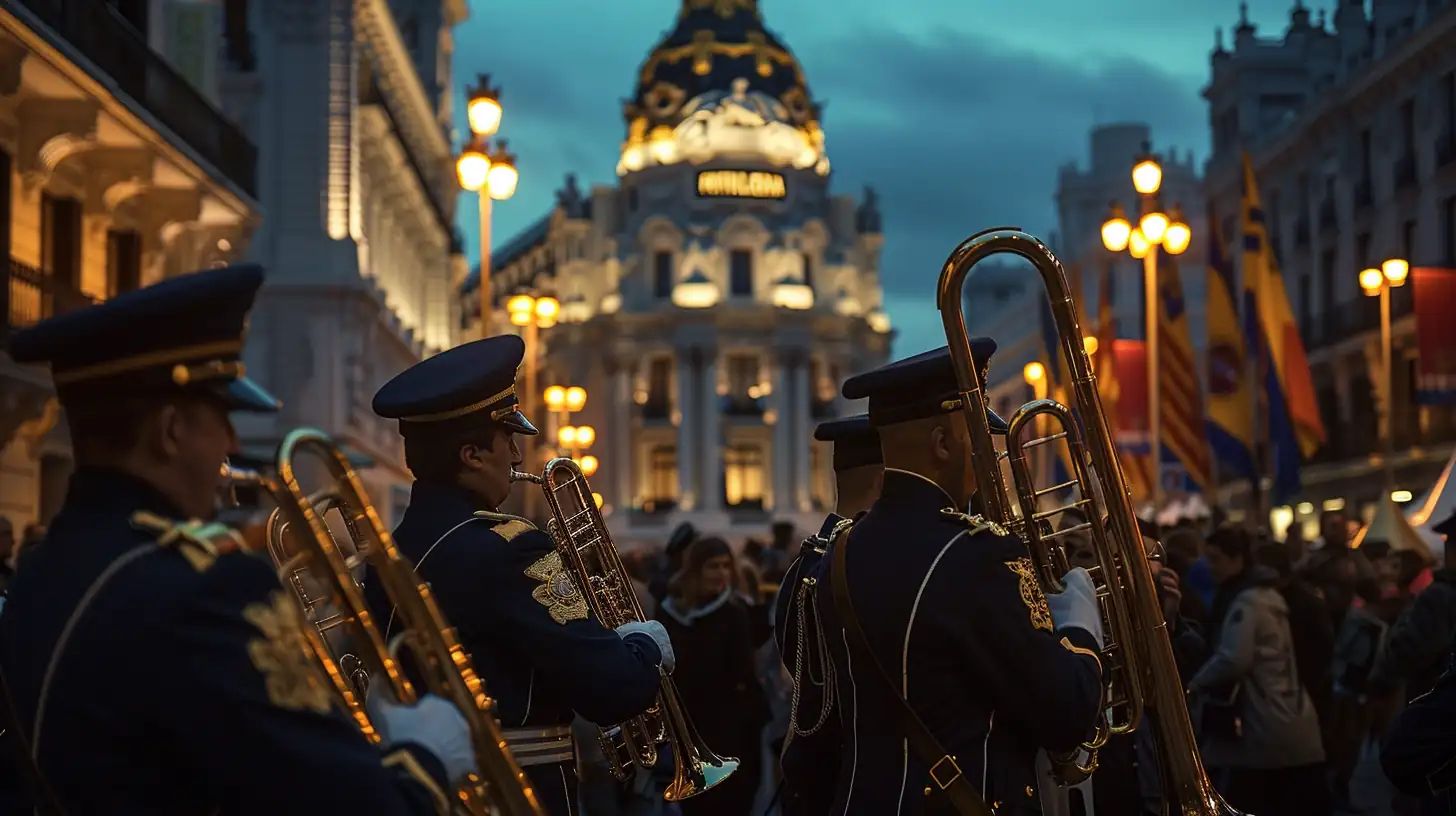
Plaza de la Villa was the meeting point for the penitential brotherhoods, which displayed their banners in a solemn gathering. The Policía Municipal, in dress uniform, accompanied the event while the Agrupación Musical Padre Jesús Nazareno 'El Pobre' performed traditional marches. The procession proceeded along Calle Mayor to the Almudena, where the Centro councillor, Carlos Segura, recalled that Holy Week in Madrid is much more than tradition: it is a living expression of local identity and history.
The proclamation, delivered by Juan Manuel Venegas, a member of the Hermandad del Santísimo Cristo de la Fe y del Perdón y de María Santísima Inmaculada Madre de la Iglesia y Arcángel San Miguel (Los Estudiantes), highlighted the authenticity and devotion with which each procession is experienced. Venegas reviewed the key moments, from Viernes de Dolores to Easter Sunday, and highlighted the historical richness of Madrid's brotherhoods, with special mention of the Christs of El Gran Poder, El Divino Cautivo, El Pobre and Medinaceli.
The City Council hopes that Madrid Holy Week will be recognised as a Festival of Regional Tourist Interest, with the aim of consolidating its role as a cultural, religious and tourist benchmark. The uniqueness of the brotherhoods, their link with the royal court and the establishment of the official route through Puerta del Sol are some of the elements strengthening the appeal of these dates. Added to all this are culinary offerings such as torrijas, which are already beginning to fill shop windows and tables in neighbourhoods.
Holy Week in Madrid does not only transform the centre: it affects mobility, leisure schedules and the atmosphere in neighbourhoods. The processions require traffic closures and diversions, but they also invite people to rediscover historic corners and share traditions which, year after year, continue to renew the pulse of the city.
Almudena Cathedral, the epicentre of Holy Week events, is much more than a religious symbol. Its location beside the Royal Palace and Plaza de Oriente makes it a meeting point for Madrid residents and visitors. Throughout the year, it hosts celebrations, concerts and events that connect the city's history with its present. During Holy Week, its role multiplies: it is the setting where faith, culture and urban life converge, and where Madrid shows its ability to reinvent its traditions without losing its essence.
Updated · 8 March 2026 Full programme: 30+ processions, highlights — Viernes de Dolores (Cristo del Pozo, Cristo del Perdón), Palm Sunday (La Borriquita, Silencio, Los Estudiantes), Holy Wednesday (Los Gitanos), Holy Thursday (Gran Poder y Macarena, El Pobre, Divino Cautivo), Good Friday (Medinaceli). Official route: Puerta del Sol — centre.
Traffic closures and mobility: City Council and Policía Municipal published a map: daily closures from 12:00 to 23:00 on Alcalá, Gran Vía, Carrera de San Jerónimo, Puerta del Sol, Callao. Metro (Sol, Sevilla, Callao) and EMT reinforced. They recommend the EMOV app and walking. Gastronomy: torrijas, potaje, pan de muerto in churrerías.