
News
Closures, Metro and EMT: this is how Madrid changes for Pride 2026
Madrid enters the most intense weekend of Pride 2026 with a special mobility, security and public-transport operation. The centre will change rhythm amid traffic closures, pedestrianised streets, Metro reinforcements and diversions on dozens of bus lines.
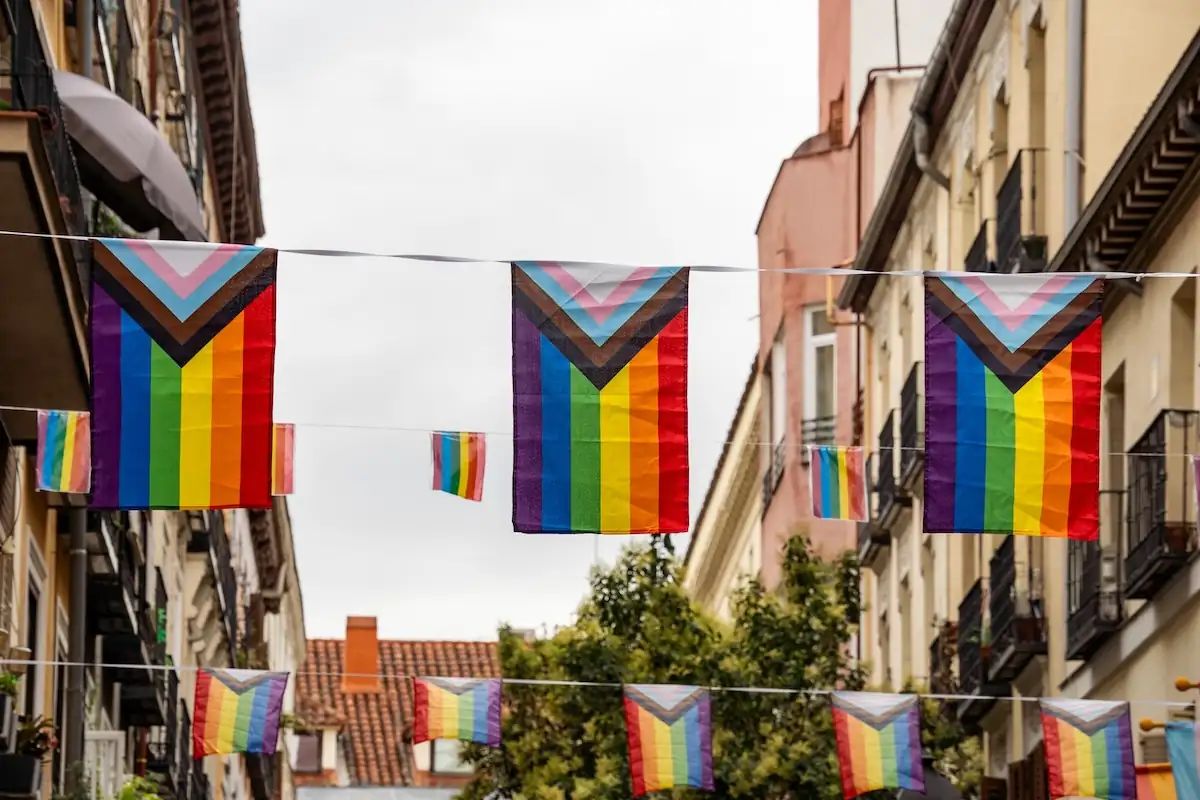
The recommendation for those who need to get around the city is clear: leave the car at home and allow plenty of time for journeys. Chueca, Sol, Gran Vía, Plaza de España, Cibeles, Recoletos, Atocha and Colón will account for a large share of the restrictions.
The greatest impact will come on Saturday 4 July, with the national Pride march. The march will set off from the glorieta de Carlos V, beside Atocha, and head towards the plaza de Colón, where one of the celebration's major stages is located.
Road closures will begin before the march passes through. From 16:00 on Saturday, restrictions are expected at the glorieta de Carlos V, paseo del Prado, Cibeles, Recoletos, Colón and nearby roads. Depending on the crowds, disruption may continue through the night and into the early hours.
Plaza de Colón will be one of the most sensitive points. From 17:00 on Friday until midday on Sunday, there will be traffic disruption in the square and on the stretch of calle Goya between Colón and Serrano. The area will serve as a major hub for arrivals, stage events and departures.
Gran Vía and Princesa will also have specific restrictions. On 3 and 4 July, between 08:00 and 16:00, traffic will be restricted along the Gran Vía-Princesa axis, from Alcalá to Ventura Rodríguez, with exceptions for residents, essential services and authorised vehicles.
Chueca will have its own closures. On Friday and Saturday, between 17:30 and 03:30, several streets in and around the neighbourhood will be closed to traffic, particularly in areas such as Pelayo, Reina, Clavel, Infantas, Barquillo, San Marcos and Colmenares.
There will also be disruption on Sunday because of the closing events. Streets around Chueca and areas close to the stages will retain restrictions during the afternoon and night, particularly where concerts, activities and flows of people are concentrated.
The security operation will be extensive. The City Council will deploy around 2,400 Policía Municipal officers and more than 500 Samur-Protección Civil personnel, while the Delegación del Gobierno has announced more than 3,300 Policía Nacional officers for the main days of MADO.
Metro will be the most practical option for getting into and out of the centre, although some stations will also have closures or access controls depending on the crowds. The underground will increase services on the lines connecting the celebration areas, particularly during Saturday afternoon and night.
Lines 1, 2, 3, 4, 5 and 10 will receive substantial additional services, with increases that may reach 100% at times of peak demand. The aim is to accommodate people arriving at Sol, Chueca, Gran Vía, Plaza de España, Colón and Atocha without overloading the network.
Plaza de España will close completely from 19:00 on the 3rd and 4th, except for entry and exit by lift for people with reduced mobility. On Sunday, the closure will be brought forward to 18:00. There may also be temporary closures at other central stations if passenger numbers require them.
EMT will be the service most affected by road closures above ground. On Saturday, from the afternoon until approximately 08:00 on Sunday, more than 30 daytime routes and several night routes will change their itineraries. The night bus termini will move to locations such as Atocha, Puerta de Alcalá, Alonso Martínez and Argüelles.
The municipal company will also have extra buses available to respond to capacity problems. On the airport express routes, the 203 and the 200 may add vehicles according to demand during the Pride celebrations.
For those who rely on buses, the most useful step will be to check the status of their route before setting off. Many diversions will be introduced progressively as closures, the march and the crowds in the streets develop.
Pride turns Madrid into a huge open-air celebration, but it also requires the everyday map of the centre to be redrawn. Going to work, returning home, meeting friends or crossing from one neighbourhood to another will require more planning than on a normal weekend.
The city will spend these days balancing celebration, campaigning and logistics. Above ground there will be stages, flags, concerts and a multitude occupying streets normally used by traffic. Below ground, Metro and the transport interchanges will absorb much of the actual movement of a Pride that once again shows that Madrid does not just celebrate: it also organises.