
News
Madrid changes: the digital city transforms how we experience it
Madrid is changing, and not only in its streets. Increasingly, the way people experience the city happens through a screen. What was once discovered by walking is now anticipated on social media, where images shape the route even before leaving home.
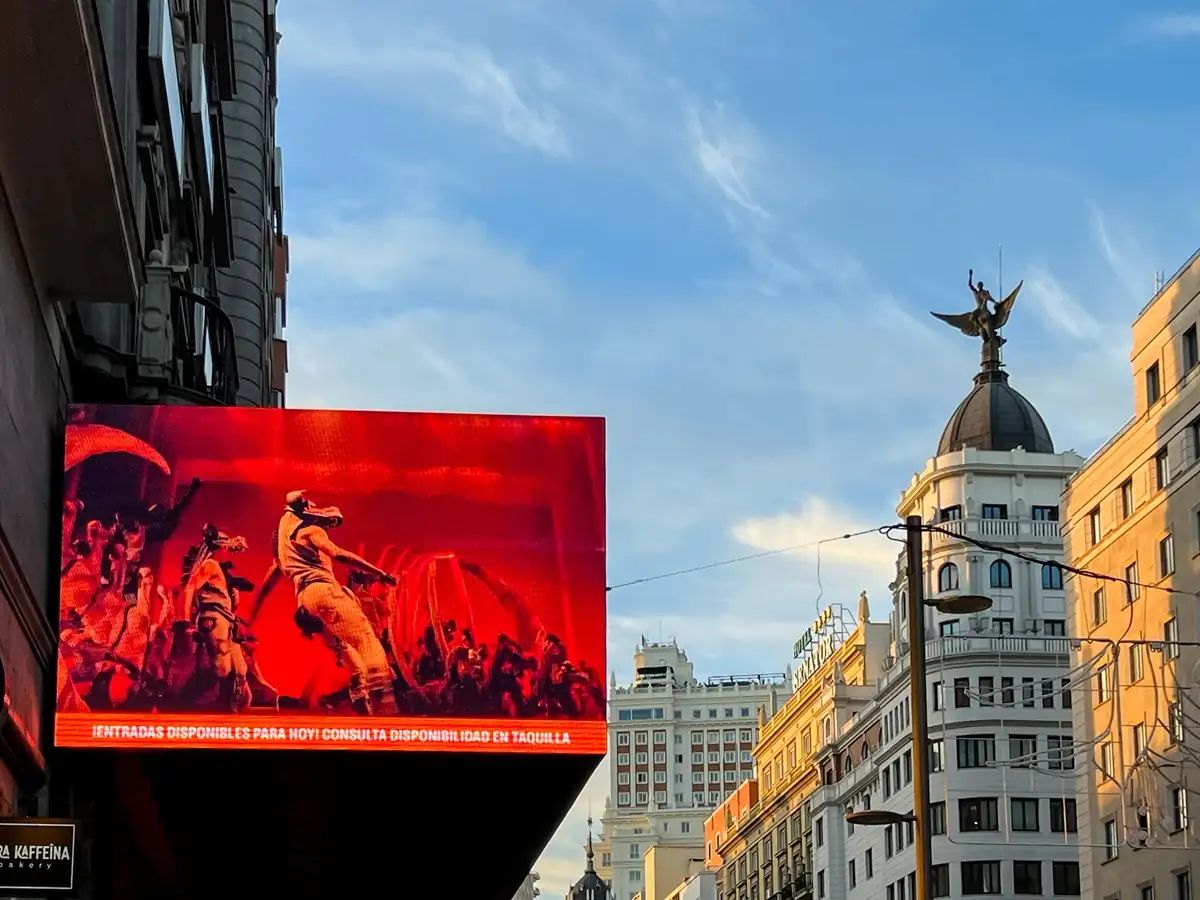
The logic of visibility is gaining ground. Many plans no longer arise from curiosity, but from what circulates online. The city is explored to confirm what has been seen, not to discover it. In practice, this reduces the scope for surprise and transforms the relationship with urban space.
The impact is also noticeable in which places gain prominence. Areas such as Gran Vía or certain viewpoints attract constant attention, while more discreet corners remain out of focus. The city begins to adapt to what works in an image.
This does not mean Madrid loses its richness, but it does change the way it is perceived. The experience becomes faster, more filtered and, at times, more superficial. What is not shared seems to exist less.
Even so, the city still offers layers that do not fit on a screen. Quiet cafés, less busy streets and everyday spaces keep alive a way of living Madrid that does not depend on algorithms.
The balance between the real and digital city is now part of everyday life. The difference lies in how it is looked at: whether to capture an image or to understand what is happening around it. Madrid, as always, remains there for those who decide to explore it without a filter.