
News
Madrid improves services for the Pope and residents ask for them to last
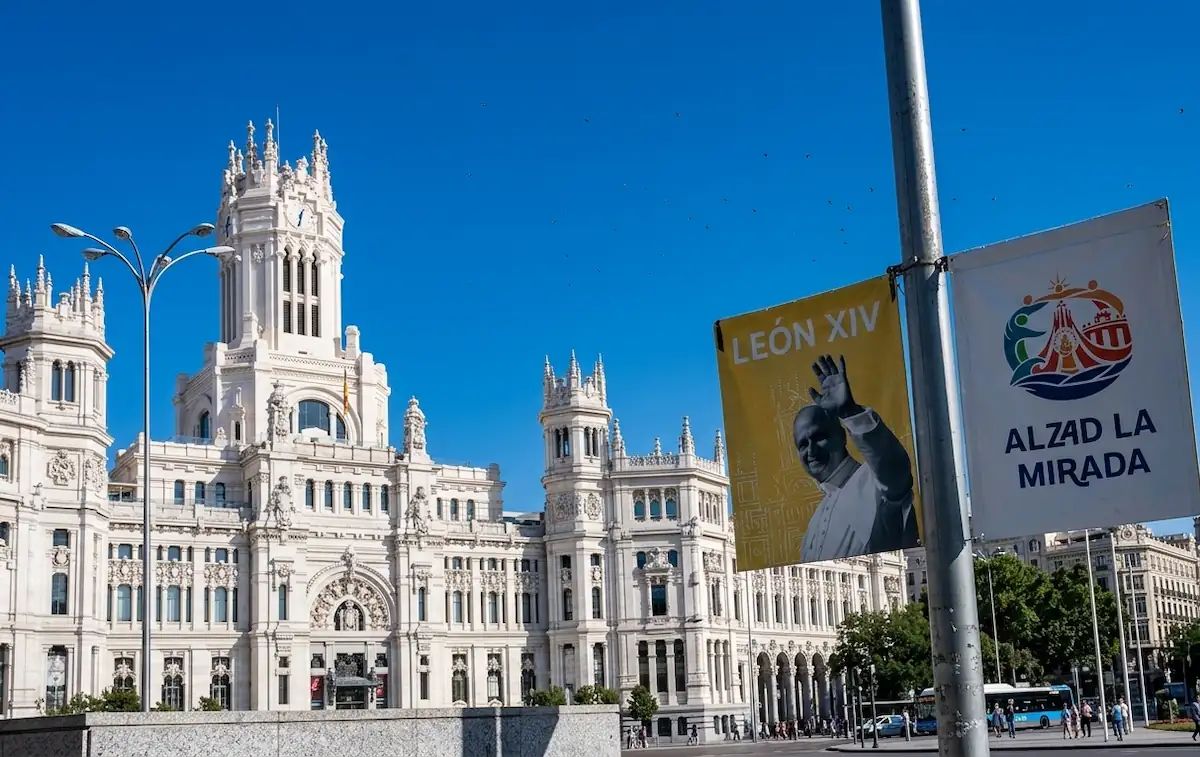
Madrid will operate at a different pace for four days because of the visit of Leo XIV. From 6 to 9 June, the city will reinforce transport, cleaning, security and medical services, measures that will facilitate journeys and planned events but have also prompted a frequently voiced complaint: why do these changes arrive only when there is a major event?
Transport will be one of the areas where the deployment will be most noticeable. The Metro will extend its hours until 2:30 in the morning and increase train frequency during the weekend. EMT services will be free for several days, and Cercanías will also reinforce its service to absorb the arrival of visitors.
For many regular users, the improvement has a strange taste. What has been requested for years for nights of high demand, poorly connected neighbourhoods or days of large crowds now appears concentrated around an official visit. On social media and in neighbourhood associations, the criticism is repeated: Madrid shows that it can do it, but does not sustain it.
Cleaning and maintenance have also been intensified in the areas linked to the events. In neighbourhoods such as Villaverde Alto or Lucero, some residents say they have seen repairs, care for green spaces and unusual attention in streets that have long been calling for a greater municipal presence.
The deployment affects more than the city’s appearance. It also changes the neighbourhood agenda. The presence of thousands of officers and the planned closures force the reorganisation of activities, access and journeys, especially in the areas where the greatest concentration of people is expected.
Healthcare has opened another front for debate. During the visit, out-of-hospital emergency services will exceptionally have doctors, a measure received with relief by some residents, but also with discomfort because of its temporary nature. For civic platforms, the question is straightforward: if reinforcement is possible on these days, why is it not possible for the rest of the year?
Madrid’s image over these days will be that of a prepared, clean, connected capital with more resources on the streets. But the contrast with daily routine weighs heavily. The decorated centre, expanded services and rapid reinforcements clash with familiar complaints about waits, breakdowns, lack of maintenance or neighbourhoods that feel they receive attention only when the spotlight is on them.
For those who live in Madrid, the Pope’s visit means more than closures, events and more people on public transport. It also leaves an uncomfortable comparison: for a few days, the city shows a better cared-for version of itself. The question is whether any of that effort will remain visible when the event ends and the international agenda moves elsewhere.